


Tensions Between the U.S. and South Africa: A Deepening Diplomatic Rift
Recent Accusations and Raids
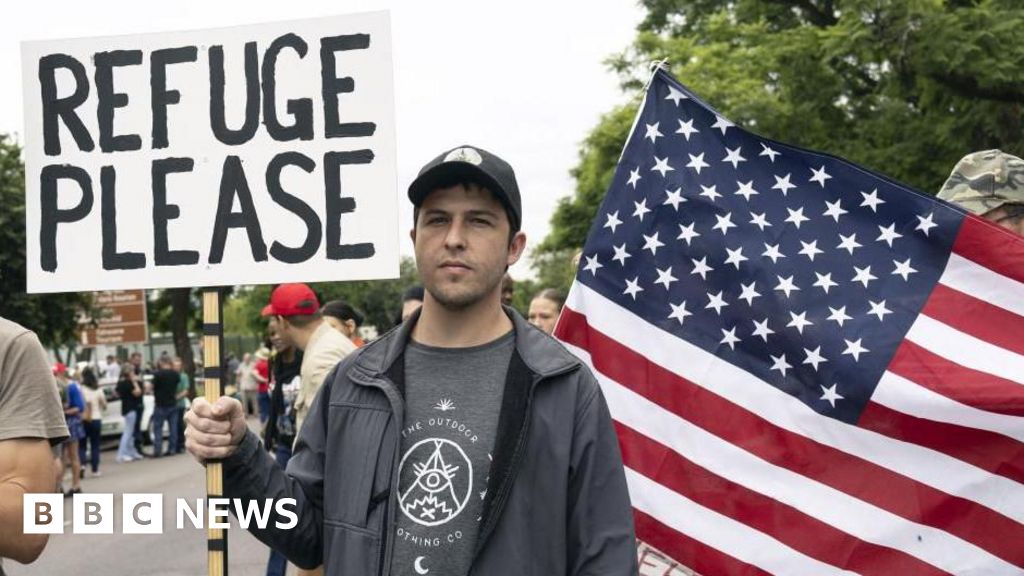
The diplomatic relations between the United States and South Africa have recently been strained, particularly following accusations from the U.S. that South Africa harassed American officials. This allegation emerged after a raid on a center processing applications for refugee status among South Africa’s Afrikaner community, a group that has claimed persecution within their home country.
During the operation, South African authorities expelled seven Kenyans working illegally in the country. While this enforcement action is rooted in immigration control, it has had wider implications for diplomatic relations. It appears to have provided the backdrop for the U.S. to voice concerns over the treatment of its officials.
The U.S. Response: Accusations and Consequences
On Thursday, the U.S. State Department issued a statement condemning what it termed the “harassment” of American employees involved in humanitarian efforts for Afrikaners. The accusations included claims that South Africa had published passport details of American officials, a move deemed “unacceptable” by the U.S. government. They warning of “severe consequences,” although no evidence was provided to substantiate the claims regarding leaked passport information.
This public condemnation reflects a broader narrative surrounding U.S. immigration policy, particularly under the Trump administration, which has been characterized by decreased overall refugee admissions but a specific focus on the Afrikaner community.
South Africa’s Rebuttal: A Staunch Denial
The South African government has firmly rejected the U.S. allegations, labeling them as unfounded and highlighting its commitment to data security. The home affairs department asserted that it operates under “stringent legal and diplomatic protocols” and emphasized that no U.S. officials had been arrested during the raid, which occurred outside of any diplomatic setting.
The government reiterated that the Kenyans involved had previously applied for work permits, which were denied. This defense underscores South Africa’s position of sovereignty and respect for the law, distancing itself from the notion of any misconduct involving international officials.
The Context of Refugee Admissions
The U.S. has positioned itself to provide asylum to the Afrikaner community, claiming they face persecution in South Africa. President Trump has echoed a narrative suggesting that Afrikaners are subject to genocide, a claim that lacks supportive evidence. The push for refugee status comes in the wake of new land reform policies in South Africa, allowing land seizures without compensation, which have reignited fears among the white farming community.
The Trump administration has shifted its refugee intake strategy substantially, reducing overall numbers from 125,000 to a mere 7,500 annually, while emphasizing a unique path for the Afrikaner population. These decisions have not been without controversy, especially among groups concerned about the implications of racial dynamics and historical injustices.
Historical Tensions and Recent Developments
Tensions between the U.S. and South Africa have been exacerbated since Trump took office. Despite South Africa’s efforts to mend relations through diplomatic outreach—such as a high-level delegation visit to the White House—friction remains. Earlier diplomatic initiatives have proved challenging, particularly with the U.S. recently boycotting the G20 summit hosted in South Africa.
The complexities of this situation highlight the intersection of historical injustices and contemporary political stances, with each nation holding on to its narratives regarding treatment and rights. The U.S. continually portrays itself as a protector of vulnerable populations, while South Africa defends its policies within the context of rectifying historical land inequalities.
The Broader Impact
The ongoing diplomatic frictions have implications not only for U.S.-South African relations but also for international perceptions of both nations, especially concerning their approaches to human rights and humanitarianism. As each side articulates its narrative, the risk of escalation into a wider conflict looms, complicating future diplomatic engagements.
America’s stance may result in a significant reshaping of its foreign policy emphasis, particularly concerning asylum and refugee matters, whereas South Africa’s reaffirmation of data security and legal frameworks signifies a resistance to perceived external pressures.
This evolving situation continues to be closely monitored by observers around the world, as it embodies the complex landscape of modern diplomacy marked by historical legacies and national interests.