


Exploring the Impact of Ukraine’s Recent Strike on Russian Maritime Assets
Context of the Conflict
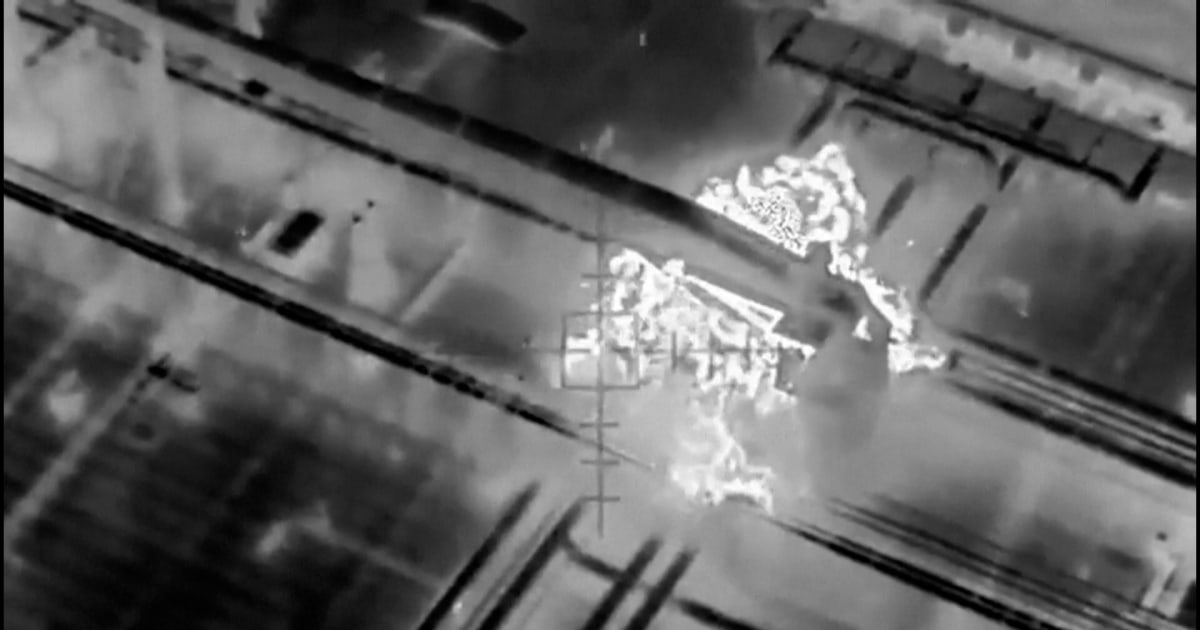
In recent developments of the ongoing Ukraine-Russia conflict, the Ukrainian Security Service announced a significant strike on a Russian oil tanker—part of what is referred to as Russia’s “shadow fleet.” This fleet, largely operating outside of normal observation and often using flag-of-convenience vessels to evade sanctions, plays a crucial role in Russia’s ability to transport oil. The strike occurred in neutral waters of the Mediterranean Sea, marking an escalation in Ukraine’s maritime operational capabilities and strategies.
Significance of the Strike
The operation to target the Russian tanker is both militarily and symbolically significant. Militarily, it disrupts Russia’s logistics and oil supply chain, potentially affecting its revenue from oil exports, which have been a crucial source of funding for its military endeavors. Symbolically, it showcases Ukraine’s determination and growing capability to project power beyond its regional waters, signaling to both allies and adversaries its commitment to countering Russian influence.
The Role of the “Shadow Fleet”
The shadow fleet refers to a network of tankers and vessels that Russia utilizes to circumvent international sanctions imposed in response to its actions in Ukraine. These vessels often change names and flags to avoid detection and accountability. The existence of this fleet complicates the enforcement of sanctions and makes it difficult for international authorities to monitor and halt illicit oil exports. Targeting such entities represents a strategic move by Ukraine to destabilize Russia’s clandestine operations.
Implications for International Relations
This strike may have wider implications for international relations, particularly regarding how countries respond to Russia’s ongoing aggression. NATO allies and other international stakeholders are closely monitoring the situation. Any perceived escalation from these military activities could lead to increased support, both financial and military, for Ukraine from Western nations, thereby enhancing Ukraine’s capacity to sustain its defensive efforts.
Local and Global Reactions
The reactions to this event vary significantly across the globe. In Russia, government officials are likely to portray the incident as evidence of Western aggression and as a narrative to rally domestic support. Conversely, in Western countries, the strike could be seen as a validation of Ukraine’s military strategy and resilience. Public discourse in nations supporting Ukraine may rally around the narrative of defending sovereignty against an aggressive neighbor.
Military and Strategic Analysis
From a military perspective, the Ukrainian operation reflects a calculated approach to warfare that incorporates intelligence-gathering and precision strikes. The use of modern weaponry and tactics often adapted from NATO training indicates a shift in Ukraine’s military strategy, focusing not only on land battles but also on naval engagements. This multifaceted approach is essential for effectively responding to a diverse range of threats posed by Russia.
The Future of Maritime Conflict
As the conflict evolves, the maritime domain will likely become increasingly contested. Russia may enhance its naval presence and protective measures around its shipping lanes, leading to further confrontations at sea. The Mediterranean, a critical maritime route, could see more frequent engagements, influencing global shipping and trade patterns—especially in oil reserves and supplies.
Humanitarian Considerations
While military actions continue, the humanitarian impact of the conflict remains profound. Disruptions to shipping and trade routes can lead to shortages, price hikes, and economic strain not just in Ukraine and Russia, but across Europe and beyond. Humanitarian organizations are tasked with addressing these fallout effects vigorously, ensuring that the civilian population does not bear an undue burden amidst the escalating conflict.
Final Thoughts
The strike on the Russian tanker underscores the complex and evolving nature of the Ukraine-Russia conflict, revealing deep-seated geopolitical tensions and the ramifications they hold for international relations. As both sides adjust to the changing dynamics, the world remains a critical observer of this ongoing narrative, with much at stake for global diplomacy, security, and economic stability.