


A Quarter-Century of Market Turmoil and Transformation
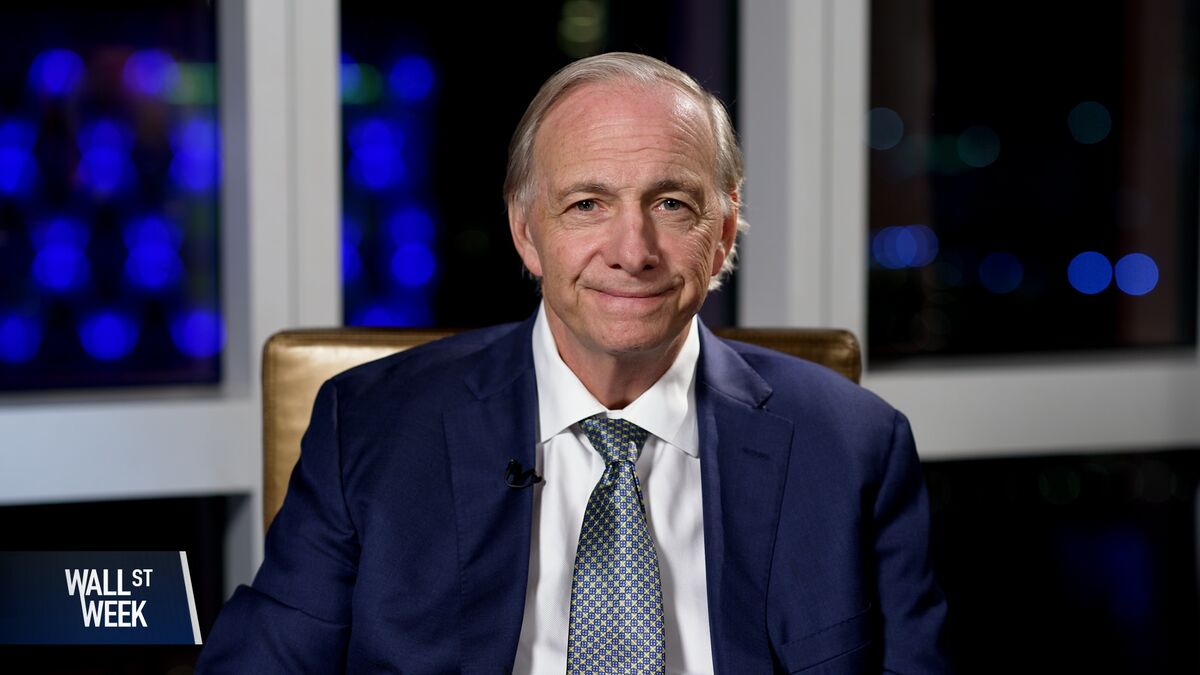
The first 25 years of this century have been nothing short of a roller coaster for global markets. From the dot-com crash in the early 2000s to the financial upheaval brought on by the COVID-19 pandemic, investors have navigated through a series of shocks that have reshaped the investing landscape. This dynamic period is marked not only by crises but also by innovations in trading and investment behaviors. Romaine Bostick offers insights into how markets have absorbed these shocks, while Ray Dalio elucidates the deeper forces driving these changes.
The Dot-Com Crash: A Harbinger of Volatility
The dawn of the new millennium saw the culmination of the dot-com boom, where the excitement over internet enterprises led to massive investments. Fueled by speculation and rampant optimism, stock prices soared, only to plummet dramatically between 2000 and 2002. This crash shook investor confidence and led to a reevaluation of technology investments.
The legacy of this event is significant; it taught investors about the dangers of speculation and the importance of fundamentals in evaluating stocks. The aftermath encouraged a more cautious approach to investing, setting the stage for the rigorous due diligence we see today.
The Housing Collapse: Home is Where the Risk Was
Fast forward to the mid-2000s, and the housing market became the next bubble about to burst. Driven by easy credit and a belief that home prices could only go up, many consumers and investors took on unsustainable levels of debt. When the housing bubble finally burst in 2007, it triggered a chain reaction, leading to the Great Financial Crisis of 2008.
This era impacted not just individual homeowners but also institutional banks, which faced massive losses due to bad mortgage investments. As the financial system teetered, governments worldwide intervened, igniting debates on regulation, ethics, and the role of financial institutions.
The Great Financial Crisis: A Catalyst for Change
The Great Financial Crisis was an inflection point in modern finance. In response to the economic fallout, central banks adopted unprecedented monetary policies, including quantitative easing (QE). This involved massive government bond purchases to inject liquidity into the economy, a strategy that fundamentally altered how markets operate.
Ray Dalio argues that these policies have created an environment characterized by both asset inflation and a growing wealth gap. While stocks soared to record highs, a disconnect emerged between the financial markets and the real economy, leaving many people behind—a theme that reverberates in today’s investment discussions.
The Pandemic: A Global Economic Shock
The COVID-19 pandemic was yet another shock, but its implications were distinct. In early 2020, we witnessed unprecedented market volatility as lockdowns and health fears created uncertainty worldwide. After a brief collapse, markets rebounded sharply, driven by fiscal stimulus and a shift toward technology.
This period also accelerated trends such as remote work and e-commerce, fundamentally reshaping consumption patterns. Investors suddenly found themselves in a landscape where tech stocks outperformed traditional sectors, giving rise to a more tech-focused investment strategy.
The Surging Inflation and Retail Trading Frenzy
As the world began to recover, unexpected inflation surged, a consequence of supply chain disruptions, increased consumer demand, and pandemic-related stimulus. This challenge has forced investors to reconsider strategies once deemed successful. With inflation threatening economic stability, traditional hedges like gold were reassessed, and inflation-targeting strategies gained prominence.
Simultaneously, the retail trading revolution emerged, fueled by meme stocks like GameStop and AMC. Retail investors, empowered by platforms like Robinhood, now hold more sway in market dynamics, challenging institutional investors for market influence. This cultural shift represents a democratization of investing, giving rise to new narratives around community-driven investment.
The Future: Navigating Uncharted Waters
As we stand at the cusp of another decade, the investing landscape continues to evolve at breakneck speed. Financial technology advances, demographic shifts, and changing attitudes toward wealth and equity promise to transform investing.
Romaine Bostick notes that the ability to adapt to these changes will determine the success of investors moving forward. Recognizing that the next upheaval is never far away, staying informed and adaptable is essential for navigating the complexities of modern markets.
With Ray Dalio’s insights about the underlying forces shaping economic cycles, investors are encouraged to consider not just market trends but also the socio-economic contexts in which they invest. As this quarter-century shows, understanding the interplay between historical events and market reactions is key to deciphering the future of finance.