


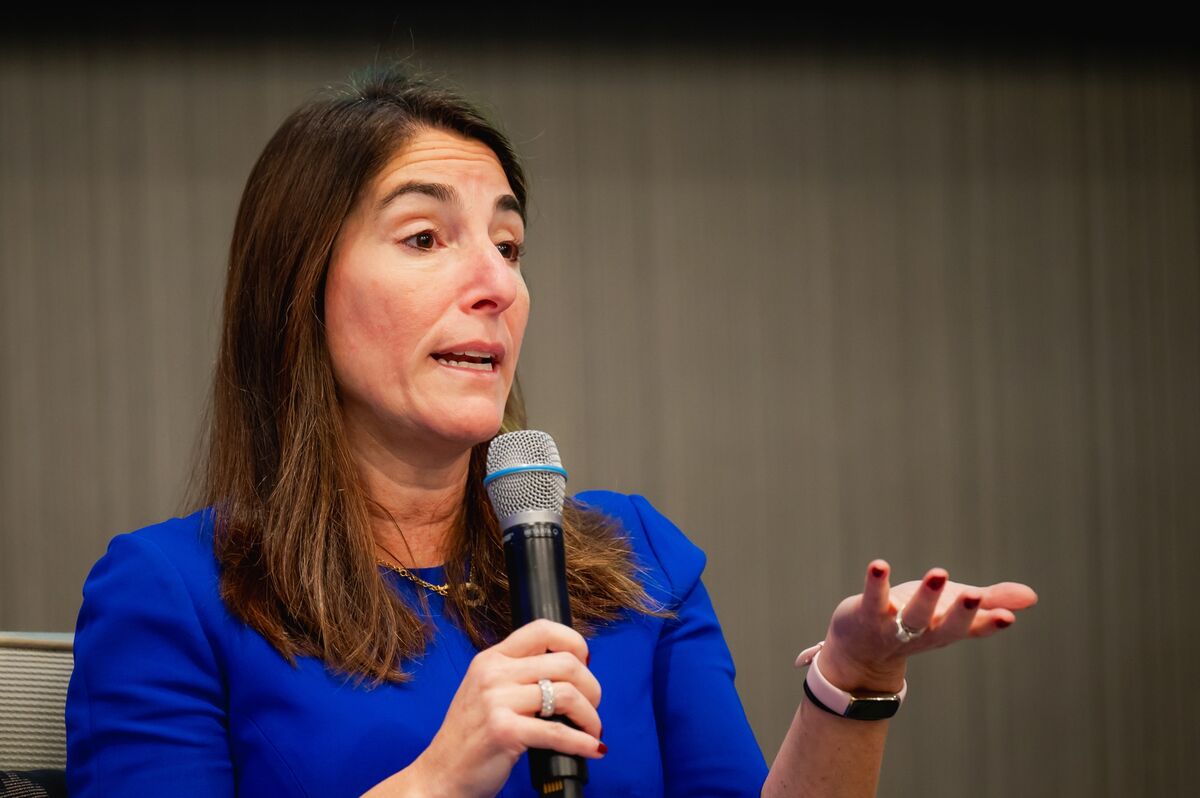
The Current State of Monetary Policy: Insights from Federal Reserve Bank of Cleveland President Beth Hammack
In a recent address, Beth Hammack, the President of the Federal Reserve Bank of Cleveland, expressed her views on the current state of monetary policy in the United States. Her insights have sparked conversations about the implications of recent rate cuts and what they might mean for the economy moving forward.
The Rationale Behind Rate Cuts
The Federal Reserve’s decision to cut rates by 75 basis points was not made lightly. Hammack emphasized that these cuts were aimed at stimulating economic activity during a time of uncertainty. With inflationary pressures and fluctuating market conditions, the Fed had to act decisively to ensure that both consumers and businesses remained encouraged to spend and invest. By reducing borrowing costs, the Fed hopes to invigorate the economy, making it easier for individuals to purchase homes, and for businesses to expand operations.
A Strategic Pause
In her discussion, Hammack advocated for a strategic pause in further rate adjustments. She believes it’s crucial to take a step back and assess the impact of the previous cuts. This evaluation period is essential not only for understanding immediate economic effects but also for calibrating future monetary policies. With the financial landscape constantly evolving, Hammack emphasized the importance of gathering data and reassessing strategies based on real-world outcomes.
Monitoring Economic Indicators
One of the key points Hammack highlighted is the importance of monitoring various economic indicators. The Fed traditionally looks at employment rates, consumer spending, and inflation figures when assessing the effectiveness of its monetary policy. By giving the economy time to respond to the recent rate cuts, the Fed can make well-informed decisions moving forward. This data-driven approach ensures that any future actions taken are aligned with the actual health of the economy, rather than speculative forecasts.
Stakeholder Reactions
With Hammack’s comments, there has been a wave of reactions from various stakeholders. Economists, market analysts, and business leaders have weighed in on the potential benefits and risks of a pause. Some view this pause as a prudent move that could prevent overcorrection in monetary policy, while others express concerns about the potential for economic stagnation. This mixed feedback reflects the complexities involved in navigating post-pandemic economic recovery.
Implications for Consumers and Businesses
For the average consumer and small business owner, Hammack’s remarks are particularly relevant. A pause in rate adjustments means that borrowing costs are likely to remain stable for the time being. This stability can encourage confidence among consumers, who may feel more secure in making significant purchases or investments. Additionally, businesses may find it easier to plan for growth without the uncertainty of rapidly changing interest rates.
The Bigger Picture
Hammack’s insights also underscore a broader philosophical approach to monetary policy. The idea of taking measured steps towards economic growth aligns with the Fed’s dual mandate: to promote maximum employment and stabilize prices. By carefully balancing these objectives, the Fed aims to create an environment conducive to sustainable economic growth.
Looking Ahead
As we consider Hammack’s insights, it becomes evident that the path forward for monetary policy is not just about single metrics or decisions. It’s a holistic approach that involves patience, observation, and thoughtful analysis. As the economic landscape continues to evolve, decisions made now will have ripple effects for months, if not years, to come.
In essence, by pausing to assess the impacts of its recent actions, the Federal Reserve Bank is demonstrating a commitment to a thoughtful and measured approach to economic recovery—a strategy that could potentially benefit the entire economy in the long term. This moment of reflection could very well set the stage for future stability and growth in a post-pandemic world.