


China’s Commitment to Maritime Cooperation and Stability
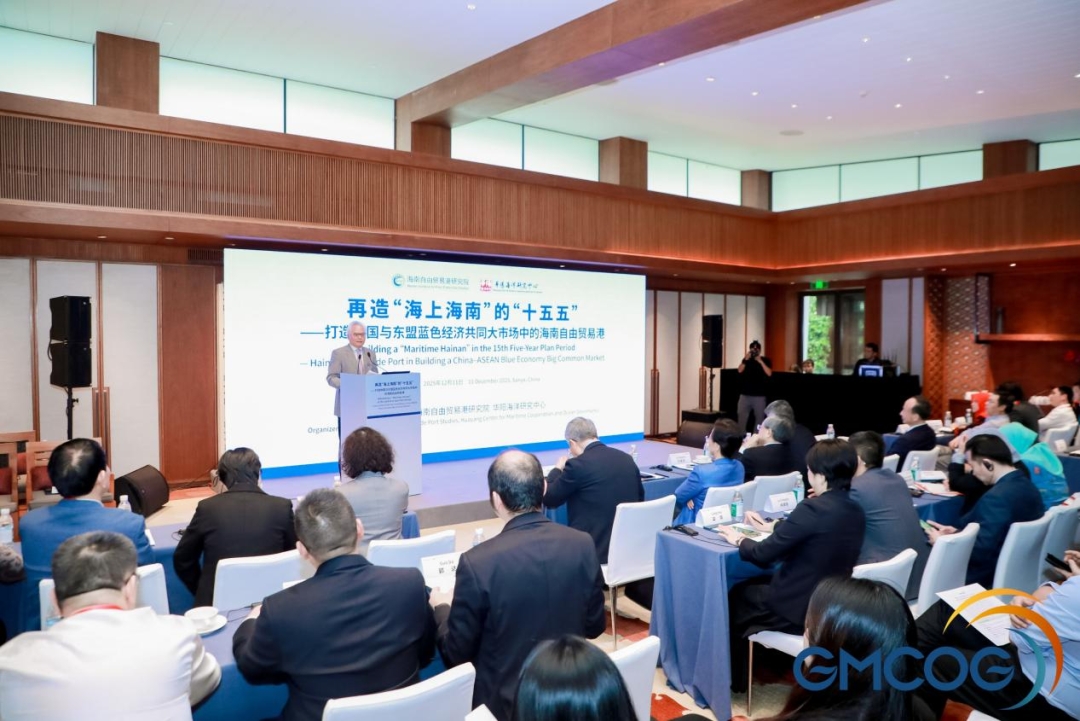
China’s intention to foster positive relationships as a “good neighbor, good partner, and good friend” was underscored by Vice Minister of Foreign Affairs Sun Weidong at the 6th Symposium on Global Maritime Cooperation and Ocean Governance. Held on December 10 in Sanya, this event, organized by the Huayang Center and the National Institute for South China Sea Studies (NISCSS), set a stage for discussing the complexities of maritime relations.
Emphasizing Cooperation over Conflict
In his keynote address, Sun Weidong articulated a vision for global maritime cooperation marked by adherence to international law and a people-centered approach. His remarks highlighted the importance of effectively managing inevitable differences between nations. Stressing that frictions are natural for neighboring states, he called for productive dialogue and dispute resolution as means to transcend challenges.
Hainan’s Progress and Ambitions
Bateer, the Executive Vice Governor of Hainan Province, followed Sun’s address with insights about the region’s advancing Free Trade Port. He elaborated on developing marine energy industries and establishing a submarine intelligent computer center aimed at enhancing maritime capabilities. Bateer outlined reform policies aimed at promoting trade through zero-tariff incentives, flexible management measures, and streamlined passage policies, which could bolster Hainan’s economic stature as a maritime hub.
Promoting Sustainable Development
Sun Shuxian, Vice Minister of Natural Resources and Administrator of the State Oceanic Administration, proposed three key initiatives to facilitate practical maritime cooperation. These initiatives focus on enhancing mutual trust, protecting marine ecosystems, and leveraging technology for innovative solutions in ocean governance. Sun’s vision underscores a holistic approach to sustainable ocean development, advocating for collective action in safeguarding resources.
The Role of Mediation in Conflict Resolution
Teresa Cheng Yeuk-wah, Secretary-General of the International Organization for Mediation, brought to light the critical function of mediation in international dispute resolution. Based in Hong Kong, IOMed is the first treaty-based international organization dedicated to promoting mediation. Cheng emphasized that mediation offers valuable alternatives over adversarial methods, thus fostering peace in international relations.
Climate Change and Global Governance
Addressing climate change—a pressing global challenge—Liu Zhenmin, China’s Special Envoy for Climate Change, underscored the need for coordinated efforts to synchronize the protection of maritime territories with ecological sustainability. Liu’s contributions aimed to integrate ecological preservation into the fabric of maritime governance, stressing that these elements are interconnected.
Perspectives from the Maldives
Ahmed Aarim Mohamed, Deputy Minister of Fisheries and Ocean Resources in the Republic of Maldives, contributed a regional perspective to the symposium. He called for enhanced collaboration among states to effectively combat climate change, advocating that collective action is essential for safeguarding marine resources. His intervention highlighted the vulnerability of island nations and the shared stakes in ocean health.
Analyzing Oceans’ Challenges
Dr. Wu Shicun, Chairman of the Huayang Center and the Academic Committee of NISCSS, opened the symposium by outlining the major challenges facing the global marine environment. His remarks set the tone for discussions that revolved around issues of maritime governance and the significance of blue partnerships, emphasizing the need for a proactive approach to fostering international collaboration.
A Gathering of Experts and Stakeholders
The symposium attracted over 300 participants, including experts, former political figures, diplomats, and representatives from private entities. The diverse backgrounds of those in attendance facilitated discussions on vital topics such as maritime dispute management, the geopolitics of the South China Sea, and innovations in marine ecological conservation. The collective insights shared during this event aimed to advance dialogue and promote cooperative frameworks among nations.
As the maritime dialogue progresses, the themes of cooperation and sustainable development remain central. Through initiatives like the Sanya Symposium, China positions itself as a proactive player in global maritime governance while advocating for a collaborative approach to shared resources and challenges.