


The U.S. Coast Guard’s Pursuit of Oil Tankers Off the Coast of Venezuela
By Vanessa Buschschlüter and Seher Asaf
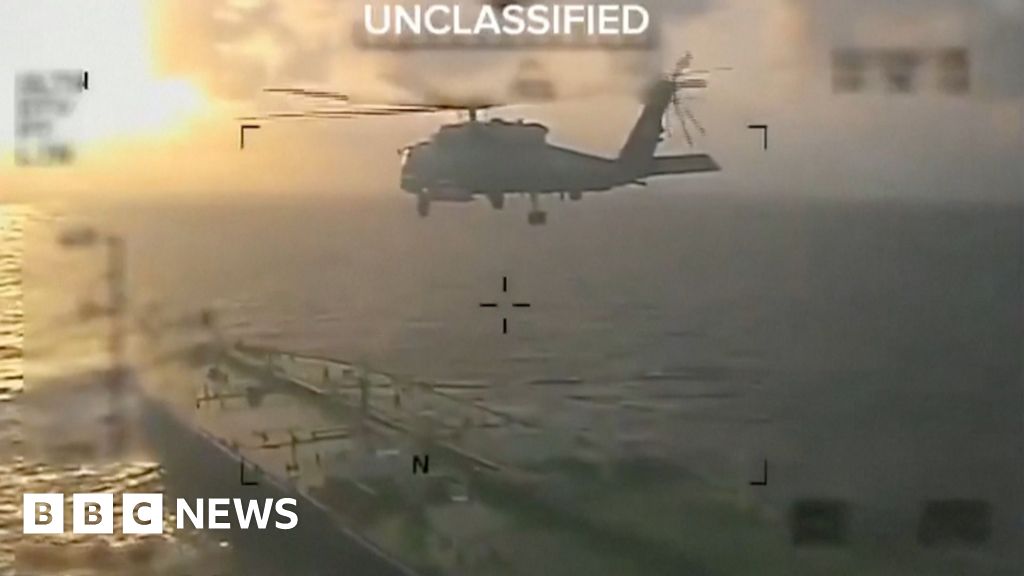
The waters off the coast of Venezuela are currently a focal point of escalating tensions, as the U.S. Coast Guard intensifies its pursuit of oil tankers. Recently, President Donald Trump confirmed that the U.S. is actively chasing a vessel suspected of breaking sanctions. He remarked, “We’re actually pursuing” the tanker that allegedly originated from Venezuela, emphasizing the seriousness of the matter.
Context of the Pursuit
The pursuit stems from accusations that the Venezuelan government is using oil revenues to fund criminal activities, including drug trafficking. In light of these claims, the Trump administration has taken a firm stance against Venezuelan oil operations, describing recent tanker seizures as necessary actions against “piracy.”
A U.S. official noted that the vessel in question is part of a “sanctioned dark fleet,” intended to evade the sanctions imposed on Venezuela. This indicates a broader strategy to clamp down on vessels exploiting loopholes to export oil illegally.
The Seized Tankers
Just previously, the U.S. authorities seized two oil tankers in December, raising alarms within the Venezuelan government. One of the tankers, identified as the Skipper, was reportedly used to transport sanctioned oil from Venezuela to Iran and has now reached port in Galveston, Texas. Another vessel, named Centuries, was boarded by the Coast Guard. While this vessel is not on the sanctions list, it was implicated in transporting oil from Venezuela’s state oil company, PDVSA.
The ship at the heart of the ongoing chase is called Bella 1, a very large crude oil carrier with a history of sanctions against it. The Bella 1 was reportedly attempting to evade capture by fleeing into the Atlantic after receiving U.S. distress signals. This ongoing cat-and-mouse game highlights the challenges in enforcing maritime laws and sanctions in international waters.
The Strategic Perspective
President Trump has publicly stated that the U.S. intends to hold onto both the seized vessels and their cargo. The president mentioned that there are discussions with major American oil companies regarding the management of these assets, suggesting a potential for profit from the seized oil. It’s worth noting that the U.S. has updated its sanctions to target not only the Venezuelan government but also its network of allies, including links to Iran.
Global Reactions
The Venezuelan government, led by President Nicolás Maduro, vehemently opposes U.S. actions, labeling them as acts of piracy. Maduro has articulated concerns over the U.S. trying to appropriate Venezuela’s substantial oil reserves—the largest proven reserves in the world.
International responses have poured in, as the United Nations is set to hold an emergency session to address what Venezuela describes as “ongoing U.S. aggression.” Both China and Russia have voiced support for the Maduro regime, with China denouncing American sanctions as unilateral and baseless, while Russia’s Foreign Minister reiterated solidarity with Venezuela.
Impacts on Regional Stability
The current tensions surrounding oil tankers not only reflect U.S.-Venezuelan relations but also highlight the geopolitics of oil supply and demand. Venezuela relies heavily on oil exports for its economic stability, making the pressure from U.S. sanctions particularly impactful. Experts suggest that while verbal support from China and Russia may be reassuring for the Maduro administration, it may not translate into immediate tangible assistance.
As the situation unfolds, analysts are closely monitoring how these maritime pursuits will affect relations in the region and alter the balance of power.
The Broader Implications
The strategic maneuvers in the Caribbean demonstrate the complexities of modern geopolitical conflicts, particularly those influenced by natural resources like oil. With both nations entrenched in their positions, the stakes are high not only for Venezuela’s economy but also for U.S. foreign policy moving forward.
In the shadows of these events lies a tale of desperation and resilience, where the chase for oil symbolizes more than just economic gain; it’s emblematic of national sovereignty, international law, and the ongoing struggle for power on the world stage.