


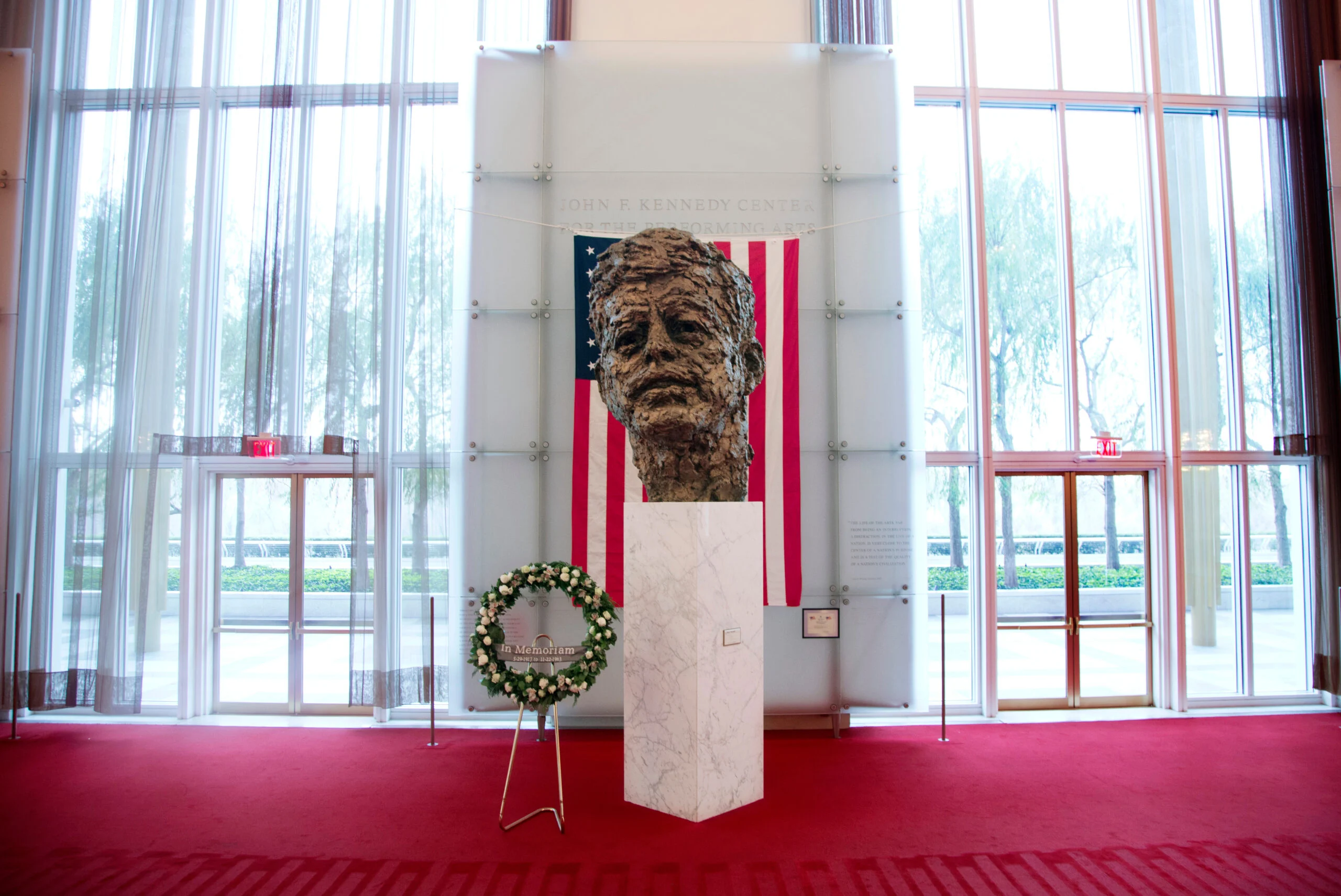
The Cancellation of a Beloved Holiday Tradition: Jazz Concert at the Kennedy Center
On what should have been a festive Christmas Eve, the renowned jazz concert at the Kennedy Center has been unexpectedly canceled, disrupting a cherished holiday tradition that has spanned over two decades. Chuck Redd, a distinguished musician and the designated host for this year’s event, made the announcement, leaving many fans and jazz enthusiasts disheartened.
A Shift in Tradition
Redd’s decision to cancel the performance was sparked by a significant controversy: the recent announcement from the White House that President Donald Trump’s name would officially be added to the Kennedy Center’s signage. This name change has stirred considerable debate and left many questioning the implications for a venue that stands as a pivotal cultural institution in the United States. The new signage now reads “The Donald J. Trump and The John F. Kennedy Memorial Center for the Performing Arts,” a move that has raised eyebrows not just for its political undertones, but also for its legal ramifications.
Legal and Historical Context
The Kennedy Center was established as a living memorial to President John F. Kennedy after his assassination in 1963, with Congress passing legislation in 1964 that explicitly designated this purpose. The law specifically prohibits the board of trustees from transforming the center into a memorial for anyone else or altering its name without Congressional approval. Critics argue that the addition of Trump’s name contravenes these legal stipulations, prompting outrage from historians and scholars alike.
Kerry Kennedy, the niece of John F. Kennedy, has made her intentions clear: she plans to work toward removing Trump’s name once he leaves office. The engagement of politically significant names at the center not only clouds its original mission but complicates its role as a nonpartisan arts venue.
Chuck Redd and the Holiday Jazz Jam
Chuck Redd, a talented drummer and vibraphone player whose impressive resume includes collaborations with jazz greats like Dizzy Gillespie and Ray Brown, has embraced the rich tradition of holiday jazz at the Kennedy Center since 2006. His “Jazz Jams” have become a staple for both local patrons and tourists alike, enabling the community to come together and celebrate the spirit of the season through music.
However, upon witnessing the name change plastered on the center’s website and later on the building itself, Redd felt compelled to take a stand. In an emotionally charged email to The Associated Press, he stated, “When I saw the name change… I chose to cancel our concert.” His choice reflects not only personal convictions but also signifies a broader discontent among many artists regarding the shifting political landscape associated with the venue.
The Wider Impact on the Arts Community
The ramifications of this political shift extend beyond a single concert or even the Kennedy Center. The arts community has seen a growing number of artists cancel appearances at the venue in response to Trump’s administration. High-profile figures such as Issa Rae and Peter Wolf have withdrawn from scheduled performances, while Lin-Manuel Miranda canceled a planned production of “Hamilton.” This wave of cancellations amplifies a collective unease within the artistic community, as many grapple with the implications of associating themselves with an institution under such contentious leadership.
Changing Landscape at the Kennedy Center
Trump’s involvement with the Kennedy Center marks a stark departure from its historical ethos. Traditionally, U.S. presidents have attended as spectators and supporters of the arts, but Trump altered these norms by assuming a leadership role within the board, directly influencing its operations. His administration has been characterized by a campaign against what he terms “woke” culture across federal cultural institutions, casting a shadow over the once bipartisan support for the arts in America.
Numerous performers, from various genres and backgrounds, have found themselves questioning their relationship with the Kennedy Center in light of these changes. The future of the center, originally meant to celebrate and honor the legacy of John F. Kennedy, now hangs in the balance, serving as a cultural flashpoint amid the ongoing political climate.
The events surrounding the Christmas Eve concert are indicative of a larger dialogue about art, politics, and the tensions between them in contemporary America. As musicians and artists navigate this terrain, the Kennedy Center’s role as a bastion of cultural expression is challenged, making the path forward uncertain for both the institution and the artists who support it.