


The Future of Dealmaking: Insights from Bloomberg’s Nina Trentmann
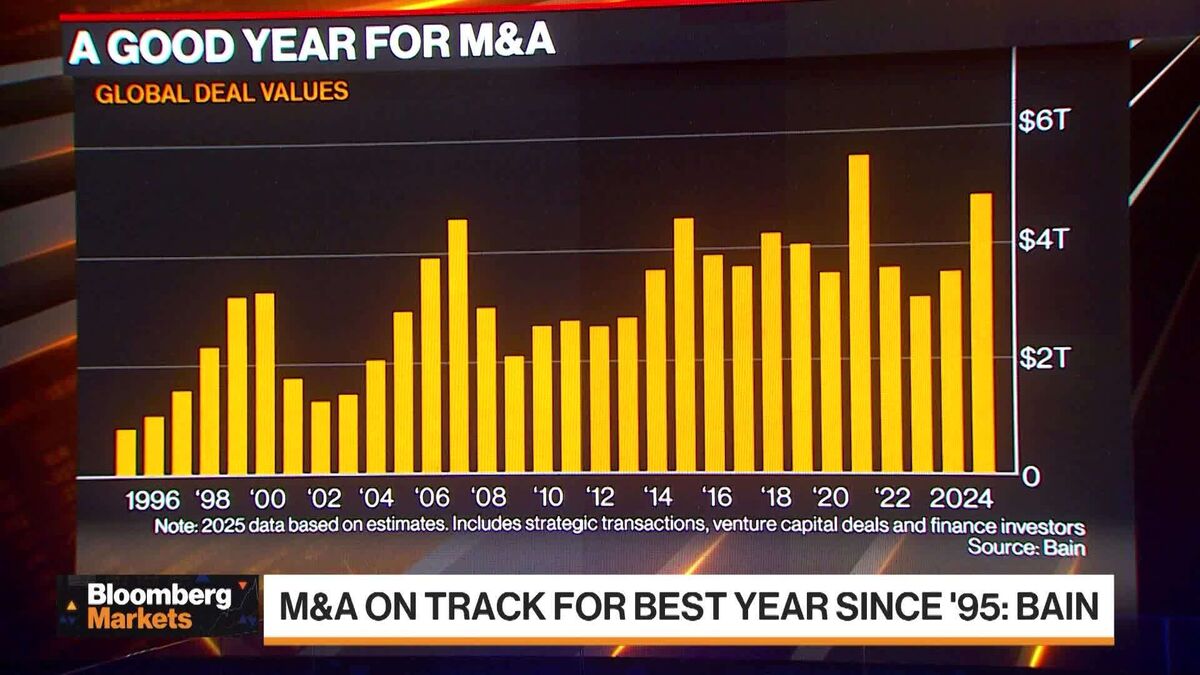
In an engaging discussion on ‘Bloomberg Markets,’ Nina Trentmann delved into the complex landscape of dealmaking in 2026. The conversation, featuring Vonnie Quinn and Isabelle Lee, highlights crucial factors shaping the market, including geopolitical influences, regulatory hurdles, and changing financial conditions. Trentmann’s insights provide a comprehensive overview of what businesses and investors can expect in the coming years.
The Current State of Dealmaking
As 2026 approaches, the landscape for mergers and acquisitions appears significantly different from previous years. Reduced deal activity has been a defining characteristic of the market. Trentmann pointed out that this decline has been influenced by a combination of economic uncertainty and increasingly stringent regulations imposed by the Federal Trade Commission (FTC) and the Department of Justice (DOJ). Both agencies have been more aggressive in challenging mergers and acquisitions, making companies reconsider their strategies.
This regulatory environment has fostered caution among potential dealmakers. Many companies are opting for smaller, less risky transactions or innovative partnerships rather than large-scale mergers that could draw regulatory scrutiny. The trend indicates a transformative shift in how corporations approach growth, emphasizing a more measured strategy.
The Geopolitical Landscape
Geopolitics is another formidable force shaping the future of dealmaking. Trentmann illustrated how global tensions, shifting alliances, and economic sanctions can profoundly impact market dynamics. As businesses navigate an increasingly polarized world, international deals may experience heightened scrutiny, impacting corporate strategies.
For instance, companies are now more likely to consider the political landscape of countries they operate in. Trade wars, particularly between major economies like the US and China, create a complex backdrop for dealmakers. Trentmann emphasized that understanding geopolitical nuances will be essential for firms looking to expand their global footprint without running afoul of regulations or public sentiment.
Financing Costs on the Horizon
Another focal point in the conversation involved the prospect of lowering financing costs. In recent years, rising interest rates have posed challenges for debt financing, impacting deal valuations and the willingness of companies to pursue acquisitions. Trentmann expressed optimism that, by 2026, we could see a stabilization or even a reduction in financing costs.
This potential shift could reinvigorate the markets. As borrowing becomes cheaper, companies may find themselves emboldened to pursue larger, more transformative deals. Trentmann suggested that lower financing costs could pave the way for innovative financing models that prioritize sustainability or digital transformation, allowing businesses to align acquisitions with broader corporate objectives.
The Role of Technology in Dealmaking
Trentmann also highlighted the increasing role of technology in dealmaking strategies. The digital transformation of businesses has changed the way companies evaluate potential acquisitions. Advanced analytics and artificial intelligence are becoming vital tools in assessing the viability of deals, enabling companies to make more informed decisions. Trentmann discussed how tech-driven insights can streamline due diligence processes, making it faster and more efficient.
Moreover, the focus on technology extends beyond merely assessing deals; it also affects the type of deals companies seek. With the ongoing surge in digital assets and companies pivoting towards tech-centric solutions, dealmakers must adapt to identify opportunities in this rapidly evolving landscape.
Regulatory Trends to Watch
As companies brace for the future, understanding regulatory trends will be crucial. Trentmann remarked that the landscape of antitrust enforcement is evolving, and the FTC and DOJ are signaling increased willingness to challenge traditional mergers. This means that companies need to be proactive in engaging with regulators, emphasizing transparency and collaboration in their dealings.
Innovative strategies, such as joint ventures or spin-offs, might become more attractive, allowing companies to sidestep some of the regulatory obstacles associated with full mergers. It’s a new era that demands agility and strategic foresight.
Closing Thoughts
The discussion with Nina Trentmann underlined that the future of dealmaking in 2026 is rife with complexities and opportunities. As businesses navigate geopolitical challenges, tighten fiscal policies, and adapt to a shifting regulatory landscape, their ability to remain agile will determine their success. By embracing technological advancements and cultivating a proactive approach to regulatory engagement, companies can anticipate a more vibrant and dynamic market ahead.