


Navigating Financial Challenges: The Journey of Newlyweds Brittany Zwier and Frank Martinez
Newlyweds Brittany Zwier and Frank Martinez find themselves at the crossroads of love and financial prudence as they start their shared life together. Like many couples today, they are searching for ways to save money while maintaining their lifestyle, highlighting how even those with a solid income can feel the pinch in today’s economy.
An Unforeseen Budget
At 32 and 40 years old, respectively, Zwier and Martinez’s combined annual income exceeds $100,000. However, despite this seemingly comfortable financial standing, they have come to realize that their dollars just aren’t stretching as far as they used to. The cost of living has seen significant increases, prompting them to reconsider their spending habits and adopt more budget-conscious practices.
Grocery Shopping at Aldi
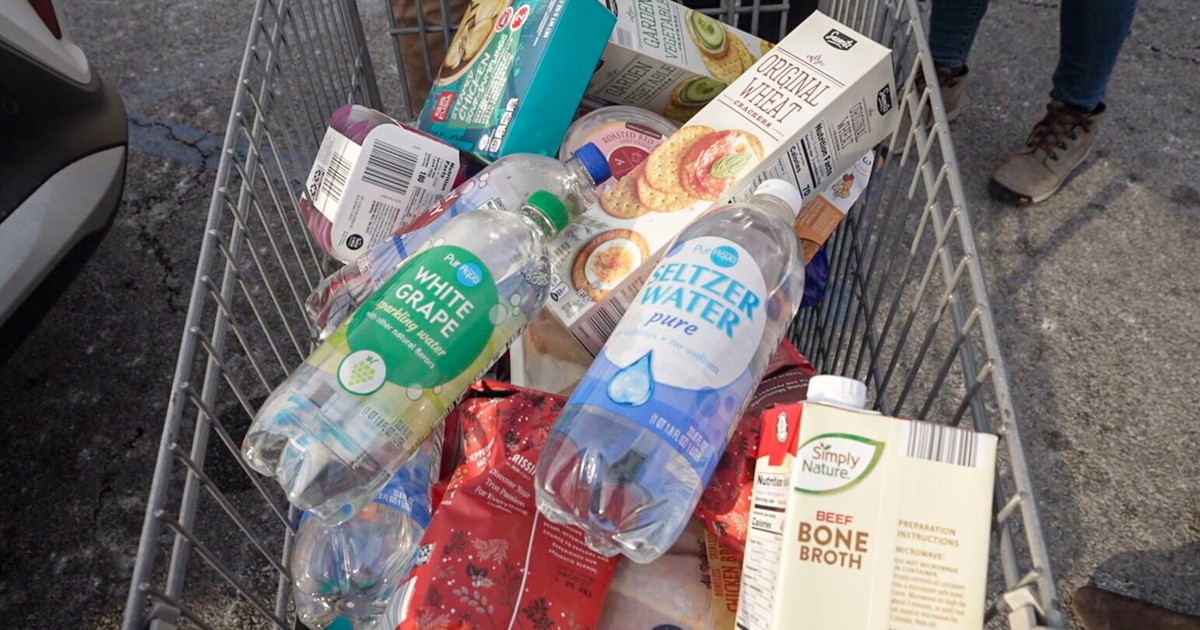
One key change in their lifestyle is their grocery shopping habits. The couple now exclusively buys groceries at Aldi, a no-frills supermarket chain known for its low prices. “We’re just buying what we need right now,” Zwier mentions outside an Aldi location in New Jersey. Their approach is reflective of many Americans who are adjusting to a new economic reality.
Meatless Choices
A notable dietary shift for the couple involves avoiding beef altogether due to record-high prices. Factors such as climate issues and supply chain constraints have limited cattle availability, driving prices up significantly this year. With the rising costs of essentials, Zwier and Martinez, like countless others, have to prioritize their spending.
A Shared Experience
The struggles faced by Zwier and Martinez resonate with millions of Americans grappling with the harsh realities of rising living costs. Factors fuelling these increases include persistent inflation, high-interest rates, soaring energy costs, and increases in consumer prices due to tariffs. A recent NBC News poll revealed that more than half of respondents have altered their grocery purchases to stay within budget, with food and housing emerging as the most pressing economic concerns.
The Impact of Economic Disparities
Although the economy shows signs of resilience, characterized by rising stock indexes and growing GDP, the benefits are not equally distributed. Economists describe this phenomenon as a “K-shaped economy,” where wealthier Americans flourish while lower-income families struggle to keep pace. As Heather Long, chief economist at Navy Federal Credit Union, explains, the “K” shape illustrates how the wealthy are experiencing rising incomes and spending, while many on the lower tier feel as if they are merely treading water.
Cutting Back on Dining Out
To manage their finances, Zwier and Martinez have also cut back on dining out. “Maybe once every three months now, we’ll go out,” Martinez reflects, reminiscing about how such outings used to be more frequent. This reflects a broader trend where Americans are pulling back on spending in restaurants, impacting chains like Chipotle and Sweetgreen as people shy away from paying premium prices for meals.
The Ripple Effects of Rising Costs
The price increases aren’t limited solely to food. Zwier and Martinez have felt the sting of soaring electricity and gas bills, highlighting how every aspect of daily life can be affected by inflationary pressures. According to the Bureau of Labor Statistics, electricity costs have jumped significantly, exceeding the rate of inflation. This winter, U.S. households could expect heating bills to rise, an additional burden for families already grappling with increased costs.
Budget Retailers on the Rise
In response to this tightening of budgets, retailers like Aldi, Walmart, and Costco have found themselves in a favorable position. As more shoppers across diverse demographics look for cost-effective options, Aldi has seen remarkable growth; from operating 1,230 stores in the U.S. a decade ago, it plans to expand to 3,200 locations by 2028.
A Shift in Consumer Behavior
The rise of budget retailers signals a significant shift in consumer behavior. Many families, including those earning well below the national average, are prioritizing price over brand loyalty. Michael Torres, a newcomer to Aldi, underscores this sentiment, noting, “As much as you can save is important. You still want to make sure you have the fridge full, whatever you need on the table.” The focus on fulfilling needs rather than wants is becoming increasingly common.
Economic Strain on Consumer Spending
As Americans scale back their spending, the economy has become increasingly dependent on high-income households. In fact, the top 10% of earners accounted for nearly half of total U.S. consumer spending, according to Moody’s Analytics. As companies cater to this demographic, it’s evident that economic stability hangs in the balance, reliant on the financial health of this small segment of the population.
The Impending Squeeze
Experts caution that reliance on affluent consumers for economic vitality could lead to instability. With wage gains continuing to diminish and basic costs on the rise, the pressure on middle-class families is mounting. Long warns that as inflation persists, the risk of a significant squeeze on the middle class is looming, with many families left grappling with the challenges of budgeting in an unpredictable economy.
In exploring the financial journey of Zwier and Martinez, we see not just a personal story but also a reflection of a broader societal shift. It’s a tale of resilience amidst tightening budgets, echoing the struggles of countless Americans in a landscape marked by economic uncertainty.