


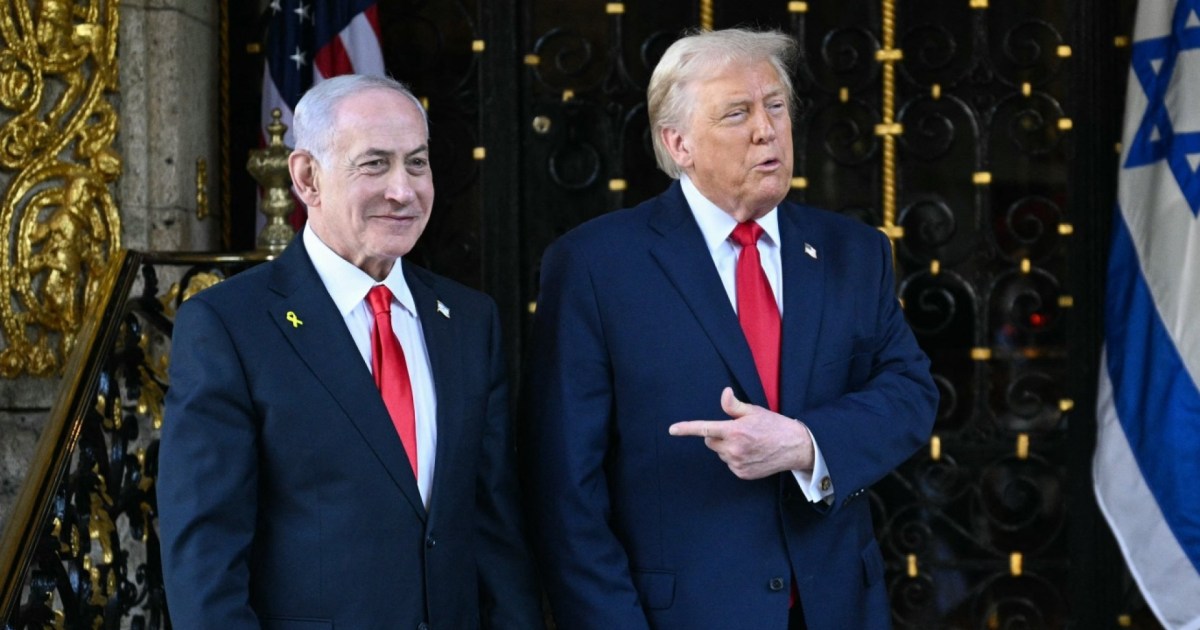
Trump, Netanyahu, and the Current Geopolitical Landscape
As President Donald Trump welcomes Israeli Prime Minister Benjamin Netanyahu to Mar-a-Lago for discussions, the geopolitical climate is charged with complexities surrounding ongoing conflicts in Gaza and Ukraine. Recent events have underscored the multifaceted nature of international diplomacy, as leaders navigate the intricate web of alliances, conflicts, and national interests that define this era.
The Context of the Meeting
Netanyahu’s visit comes amidst heightened tensions in the Middle East, particularly related to Israel’s military actions in Gaza. The ongoing conflict raises questions about humanitarian impacts, military strategy, and international law. For Trump, this meeting serves as a vital opportunity to reinforce the United States’ unwavering support for Israel while also addressing wider regional security concerns.
Trump’s Agenda
President Trump has made it clear that he perceives a strong alignment between his administration’s policies and the Israeli government’s strategic objectives. His remarks to reporters focused on the necessity for an effective strategy to stabilize the situation—not only in Gaza but also in Ukraine. As the conflict between Russia and Ukraine persists, Trump emphasizes the importance of collaborative security measures among allied nations.
The Geopolitical Implications
The meeting carries significant implications for U.S. foreign policy. Trump’s approach prioritizes direct engagement with high-profile international leaders, a strategy that suggests a shift from more traditional, multilateral diplomacy. Analysts argue that this could lead to increased leverage for both the U.S. and Israel in negotiations regarding peace and military strategy.
The Humanitarian Considerations
However, the humanitarian toll of ongoing military actions in Gaza cannot be overlooked. Reports show rising casualties among civilians, which raises ethical questions about military engagements and the responsibilities of nations to safeguard human rights. The humanitarian crisis prompts a broader discussion regarding the balance between military objectives and humanitarian aid, an issue that leaders must navigate carefully.
The Role of International Alliances
Trump and Netanyahu’s meeting also highlights the importance of international alliances in addressing global conflicts. The partnership between the U.S. and Israel is deeply rooted in historical context, influenced by shared values and mutual interests. However, the efficacy of this partnership will depend on the ability of both leaders to engage with a range of perspectives, as global leaders call for more inclusive dialogues that consider the needs and rights of those affected by conflict.
The Narrative of Peace Efforts
As both leaders discuss potential solutions for the crises in Gaza and Ukraine, the narrative of peace remains a focal point. Trump has been vocal about appearing closer to achieving a peace deal for Ukraine, promising to navigate diplomatic paths that could lead to conflict resolution. His rhetoric reinforces a proactive stance, but critics often point out the complexities involved in translating such promises into actionable outcomes.
Media Coverage and Its Impact
The media’s portrayal of these discussions significantly influences public perception and understanding of the geopolitical climate. From extensive analyses to soundbites shared across social platforms, the narratives formed can sway public sentiment and even impact policy decisions. The coverage focuses on the significance of Trump’s role in potentially shaping a unique diplomatic landscape, where personal relationships between leaders might become pivotal.
The Domestic Political Landscape
Domestically, the implications of Trump and Netanyahu’s discussions resonate within American politics. The ongoing debates regarding U.S. foreign policy are amplified by their meeting, as various factions within the U.S. government grapple with the effectiveness of current strategies and the direction these discussions might take amidst public critique.
Looking Forward
As the intricacies of international conflicts unfold, the outcomes from the meeting between Trump and Netanyahu will likely set the tone for future dialogues and diplomatic engagements. The stakes are high, with both leaders aware that their decisions could have lasting repercussions on global stability. Each dialogue, statement, and handshake serves as a reminder of the complex interplay between leadership, policy, and the quest for peace in tumultuous times.