


The Significance of Watch Night: A Celebration of Freedom and Heritage
Introduction to Watch Night
Watch Night, observed on the eve of January 1, holds profound significance within African American history. It commemorates the gathering of enslaved individuals on December 31, 1862, anticipating the freedom promised by the Emancipation Proclamation. But this occasion is not merely about marking a historical moment; it’s a rich tapestry of faith, resilience, and community that has evolved through generations.
Origins in Resistance and Hope
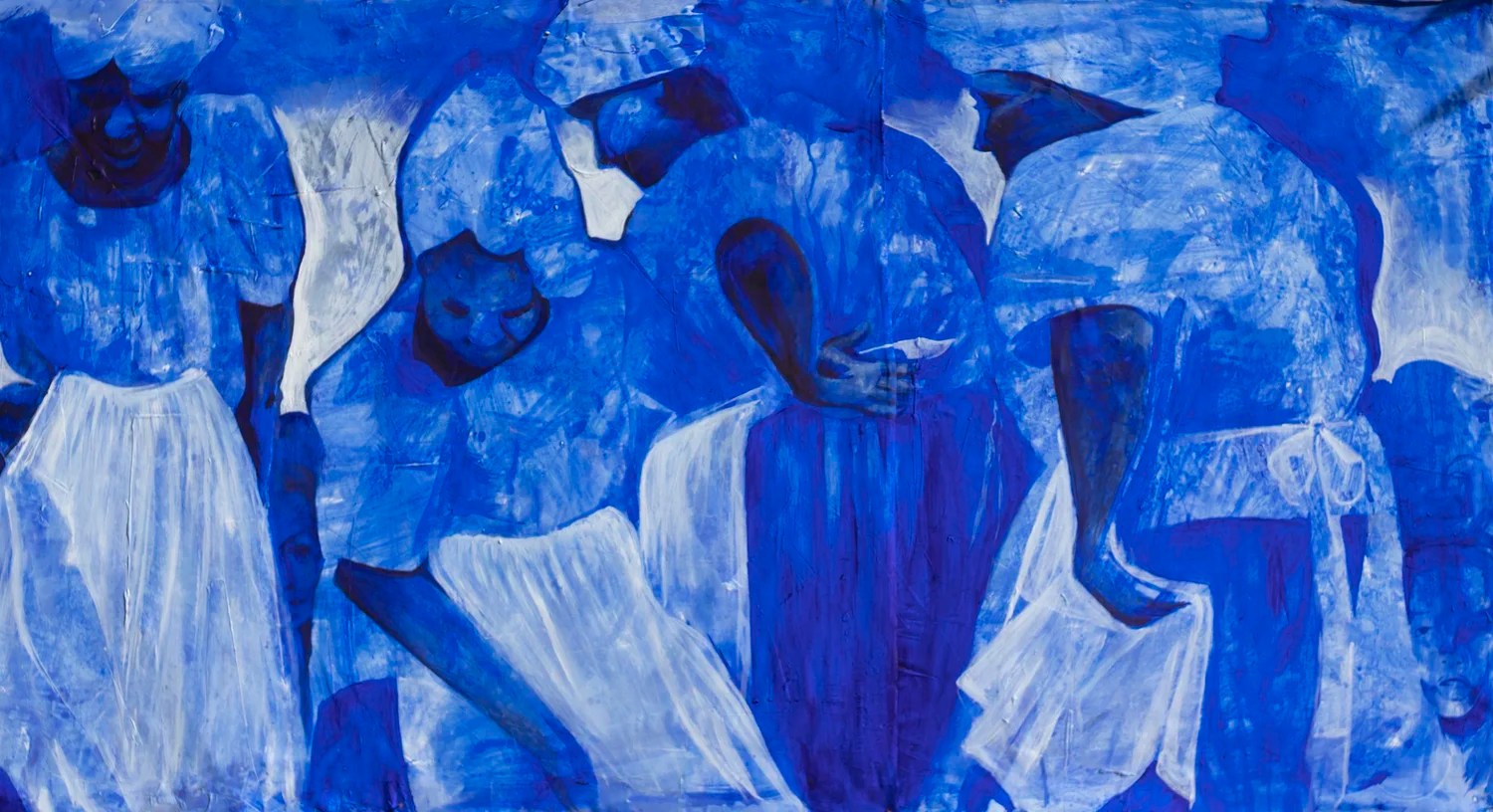
On that fateful night, African Americans across the nation congregated in churches and communal spaces, illuminating the darkest hours with prayer and song. Under the vast expanse of stars, their whispered hopes and fervent beliefs echoed through the air—transforming an ordinary night into “Freedom’s Eve.” They awaited what they envisioned as a transition from bondage to liberation, anticipating midnight as a moment filled with promise and potential.
The Emancipation Proclamation’s Impact
Although President Abraham Lincoln’s Emancipation Proclamation marked January 1, 1863, as the day enslaved people in rebelling states would be free, the gap between declaration and emancipation was fraught with uncertainty. The news traveled slowly, carried by rumors and conversations whispered in the dead of night. Each note of faith, each prayer was anchored in hope—a powerful testament to the spirit of the community, underscoring the belief that freedom was not just a legal document, but a living aspiration.
Communal Gathering: The Heart of Celebration
As the clock approached midnight, a palpable energy filled the spaces where Black individuals gathered. Songs of sorrow and joy intertwined, echoing the complexity of their shared experiences. This collective act of waiting became a powerful display of resistance, a refusal to let the promise of freedom remain unseen. By simply being present, they asserted their humanity and claimed their agency.
Transcending Time: The Evolution of Watch Night
Following emancipation, the tradition of Watch Night did not fade; it flourished. Black churches became the sanctuaries of this vigil, spaces steeped in gratitude, reflection, and communal remembrance. Every annual gathering became a ritual, seamlessly linking the past to the present. The responses exchanged in the pews—“Watchman, watchman, please tell me the hour of the night”—signaled the act of collective witnessing, transforming waiting into a sacred practice.
Embracing Gullah Geechee Traditions
Among the Gullah Geechee people, the Watch Night celebration carries unique significance. Their ceremonies reflect the transition not only from enslavement to freedom but also from the rich traditions of Africa to the coastal enclaves of the Sea Islands. Here, darkness is not a source of fear, but a canvas upon which light is welcomed—symbolizing rebirth, reflection, and the continuity of culture.
A Living Theology of Freedom
Watch Night transcends mere commemoration; it embodies a living theology of freedom. Each year, the congregation binds together history and faith, creating a narrative that honors those who came before them and etches hope for the future. Amid songs of joy and cries of grief, this gathering becomes a vital history lesson—teaching the importance of remembrance while embracing the burdens and blessings of the new year that lies ahead.
Language of Sankofa: Facing the Past with Courage
The philosophy of sankofa—to look back to move forward—resonates deeply during Watch Night services. Participants remember the past while simultaneously fostering optimism for the year ahead. Each name whispered in prayer, each story told serves to remind the community that the past is alive within them, urging them to learn from history while pursuing a meaningful future.
Celebration Intertwined with Memory
Watch Night has transformed New Year’s Eve within African American communities into an act of collective memory. It stands as an unwavering testament to resilience and the ceaseless pursuit of freedom, intertwining history with worship and culture. This sacred gathering offers a timely reminder of how belief and community can wrestle with history, carving out spaces for both joy and lament.
Conclusion: An Ongoing Legacy
As midnight approaches each year, Watch Night becomes not just an observation of the past, but a celebration of the enduring spirit of hope and community. In the act of coming together, African Americans reinforce a communal commitment to honor their ancestors and to remember that freedom is a continuous journey, filled with both challenges and triumphs. Their voices, raised in song and prayer, resonate with the ancient promise that before freedom was realized, it was believed—and that belief continues to inspire generations.