


The State of Press Freedom in 2025: A Year of Struggles and Resilience
By nearly any metric, 2025 has been a challenging year for advocates of press freedom. With violence against journalists reaching alarming new heights and political rhetoric intensifying, many fear for the future of independent journalism. This article delves into the grim realities faced by reporters this year, the broader implications for freedom of the press, and some glimmers of hope in an increasingly restrictive environment.
A Dark Year for Journalists
It’s projected that 2025 may become the deadliest year recorded for journalists and media workers. By early December, global figures indicate that 126 media professionals had been killed, a number that matches the entire total from 2024, which was already a standout year for violence. The ongoing conflict in Gaza, with 85 journalists’ lives lost—82 of whom were Palestinians—illustrates the extraordinary risks faced by reporters, especially in war zones.
Jodie Ginsberg, CEO of the Committee to Protect Journalists, expressed deep concern regarding not only the death toll but also the rampant impunity surrounding these killings. “A failure to tackle journalists’ killings creates an environment where those killings continue,” she stated, emphasizing a cycle of violence that endangers media freedom worldwide.
Assaults in the United States
While the U.S. did not report any fatalities among journalists this year, the domestic landscape remains fraught with dangers. A staggering 170 incidents of assaults on journalists have been reported, with 160 of those perpetrated by law enforcement, particularly during coverage of immigration enforcement actions. The hostility and aggression faced by journalists in America reflect broader trends toward censorship and intimidation.
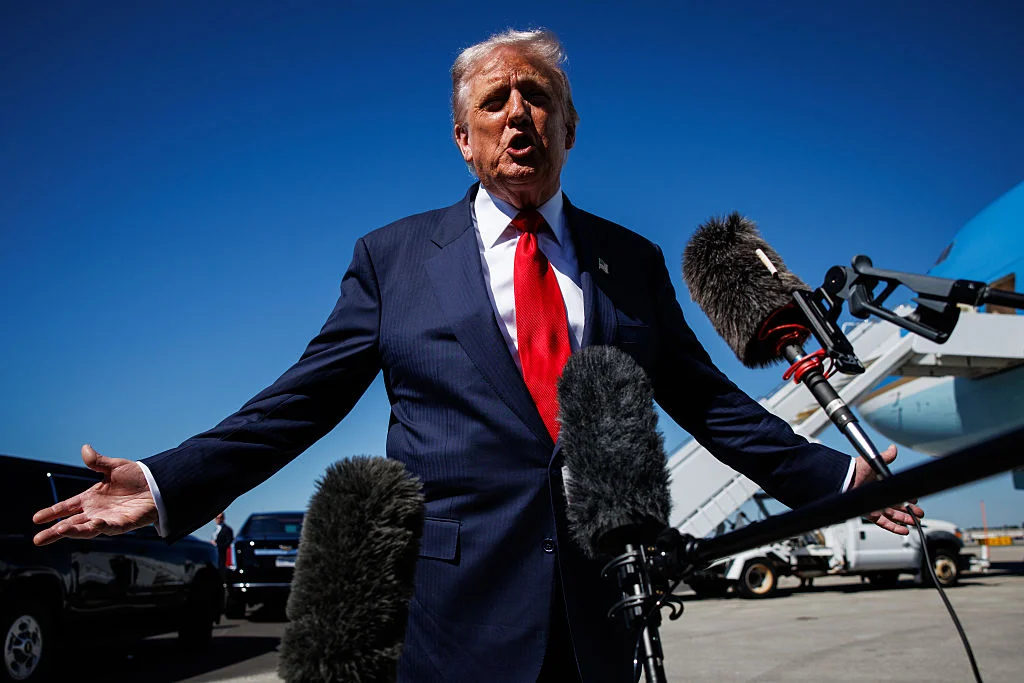
A prevailing narrative around press harassment can be traced back to former President Donald Trump, who has long targeted the media with disdain. His aggressive stance has not only fostered a culture of fear among journalists but has also led to direct actions aimed at curbing media access and accountability.
Institutional Attacks on Journalism
The conflict between Trump and the media has manifested in various contentious incidents. Notably, the Associated Press faced restricted access after refusing to follow directives issued by Trump regarding the renaming of the Gulf of Mexico. This act led to a protracted legal battle, emblematic of the lengths to which media organizations have had to go to defend their rights.
Trump’s grievances also resulted in substantial consequences for public broadcasting. Funding for outlets like PBS and NPR was effectively slashed, which diminishes access to critical news sources, especially for those in regions without robust independent media options.
Ginsberg articulated a dire implication of these changes: “The evisceration of Radio Free Europe, Radio Free Asia, and the Voice of America is another blow to press freedom globally.” Here, the stakes are elevated—underfunding and undermining public broadcasters not only hurt U.S. media but also impact the flow of information in countries that rely on these outlets for unbiased coverage.
The Fight for Journalism
In the face of relentless scrutiny and hostility, many journalists and media organizations are rising to the challenge yet again. In an illustrative incident of resistance, numerous mainstream outlets chose to forgo their Pentagon press credentials rather than concede to restrictive rules imposed by Trump’s administration. The New York Times is actively litigating against these new measures while continuing to break essential stories, demonstrating a commitment to independent reporting.
Jim VandeHei, CEO of Axios, posits that despite the barrage of attacks, reporters are still instrumental in shaping the national agenda. “Over time, people will hopefully come to their senses and say, ‘Hey, the media, like anything else, is imperfect, but it’s a nice thing to have a free press,’” he remarked, hinting at a broader public understanding of journalism’s value.
Public Perceptions and Trust
However, the public’s perception of journalists has soured in recent years, with surveys indicating that fewer Americans are paying close attention to the administration’s relations with the press. A Pew Research Center study revealed that only 36% of the public followed the Trump administration’s interactions with journalists, a sharp decline from the 72% that expressed concern during his first term.
This declining trust is alarming, as it signifies a broader disinterest in the fundamental role that journalists play in holding power accountable. As Richard Richardson, a former Washington Post reporter, noted, the ongoing erosion of support for journalism ultimately harms the public’s understanding of critical issues affecting society.
Glimmers of Hope
Amidst the tumult, there are signs of resilience within the news industry. Independent local media organizations are beginning to sprout, serving communities that have long felt underserved. Examples such as the Baltimore Banner, Charlottesville Tomorrow, and Outlier Media show that new avenues for quality journalism are emerging—even in a landscape devastated by layoffs.
These localized efforts exemplify the tenacity of journalists committed to delivering facts and fostering community engagement. Despite facing harsh realities, the emergence of these independent outlets offers a beacon of hope for those concerned about press freedom in America and beyond.
The year 2025 may pose significant challenges for the press, but as the fight for truth and accountability continues, the commitment of journalists and local organizations provides a promising foundation for future progress and resilience in the face of adversity.