


Trump’s Attack on Black History: A Closer Look
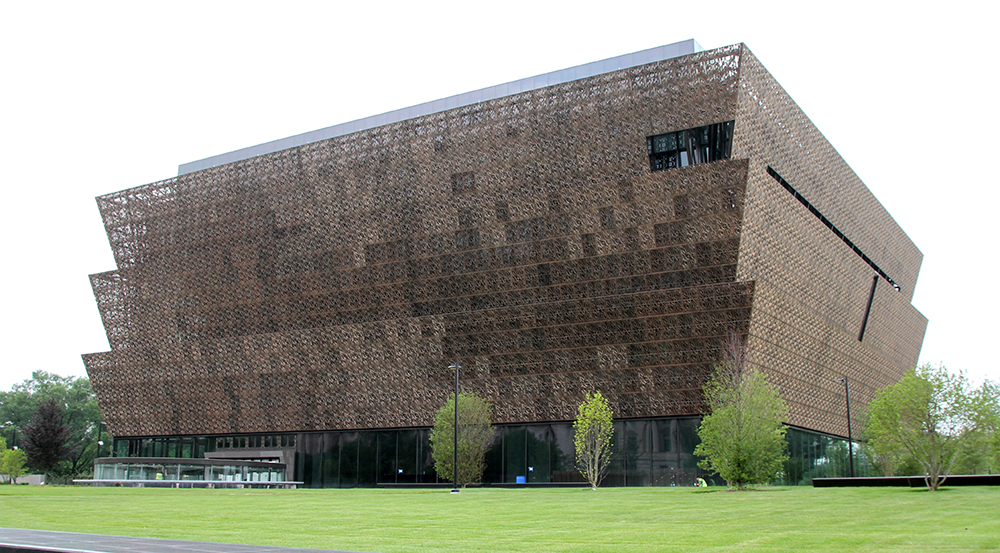
The National Museum of African American History and Culture
In a poignant moment during his first term, Donald Trump visited the Smithsonian’s National Museum of African American History and Culture, where he was guided by Lonnie Bunch, the first Black American to lead the entire Smithsonian Institution. This visit was a significant occasion, highlighting the contributions of African Americans throughout American history—a narrative that, despite its importance, has become a contentious topic in recent years.
Initial Praise and Recent Criticism
Initially, Trump praised the museum for its exhibits that celebrate African American achievements. Among these contributions is Dr. Kizzmekia Corbett-Helaire, who played a pivotal role as the lead scientist for Operation Warp Speed during the COVID-19 pandemic. However, in a sharp turn, Trump and his administration later derided these exhibits as “woke,” criticizing what they perceived as an excessive focus on slavery and its lingering effects, including Jim Crow laws. This shift represents something more than mere critique; it speaks to a broader discomfort with confronting historical realities.
Historical Context and Republican Resistance
The roots of this discomfort trace back decades. In the 1960s, many members of the GOP, aligned with southern Dixiecrats, opposed civil rights legislation proposed by Democrats. This period shaped a national consciousness, resulting in the eventual dismantlement of Jim Crow laws. Understanding this background is key to recognizing why contemporary discussions about race and history often provoke such vehement responses.
The Impact of DEI Initiatives
The emergence of diversity, equity, and inclusion (DEI) initiatives marked a transformative chapter in American history. Many attribute the success of these initiatives to movements led by Black workers, families, churches, and professionals. The Obama administration became a symbol of the potential inherent in DEI—highlighting that progress is not merely a product of policy but of the societal shifts that accompany it. Yet, the Trump administration’s retreat from these principles was perceived as a backlash against those very achievements.
Replacing Qualified Leaders
Calls for the replacement of highly qualified Black individuals in leadership roles, such as Lloyd Austin, a distinguished four-star general and former Secretary of Defense, with individuals perceived as less qualified, such as Pete Hegseth, illustrate a concerning trend. Hegseth, who has spent much of his career in less prestigious roles, epitomizes the “WPU” mentality, where individuals are recognized more for their identity than their qualifications.
Misunderstanding America’s Identity
Trump’s administration has also frequently conflated immigration with threats to national identity. His efforts to restrict immigration mirror an ahistorical understanding of what America represents—a nation built by immigrants. The sentiment encapsulated by Abraham Lincoln, that immigrants are a “gift from God,” underscores the importance of diversity within the American tapestry. The narrative of American history cannot be told without acknowledging contributions from various ethnic groups, including crucial moments during events like World War II, where the Navajo code talkers significantly aided American forces.
The Future of Historical Representation
While discussions around representation continue, recent decisions regarding which historical images and terms to honor mark a troubling trend. For instance, plans for the 250th anniversary of U.S. Mint coins have proposed replacing significant terms related to Black history—like “Black Abolitionism” and “Women’s Suffrage”—with references to “The Mayflower Compact” and “Gettysburg Address.” This shift does more than erase history; it questions the foundational values the nation purports to uphold.
The Role of Advocacy in Preserving History
As conversations around race and history evolve, advocacy becomes essential in preserving narratives that emphasize the contributions of marginalized communities. Acknowledging the complexities of history allows for a more robust understanding of national identity. Whether through educational initiatives or public discourse, the importance of confronting historical truths remains paramount in the ongoing struggle for an inclusive America.
In exploring these themes, it becomes clear that the dialogue surrounding Black history and its representation is far from resolved. The interplay between current political ideologies and historical truths will continue to shape the American narrative, making it vital for citizens to remain engaged and informed.