


San Francisco’s Path Toward Reparations for Black Residents
Introduction: A Landmark Initiative
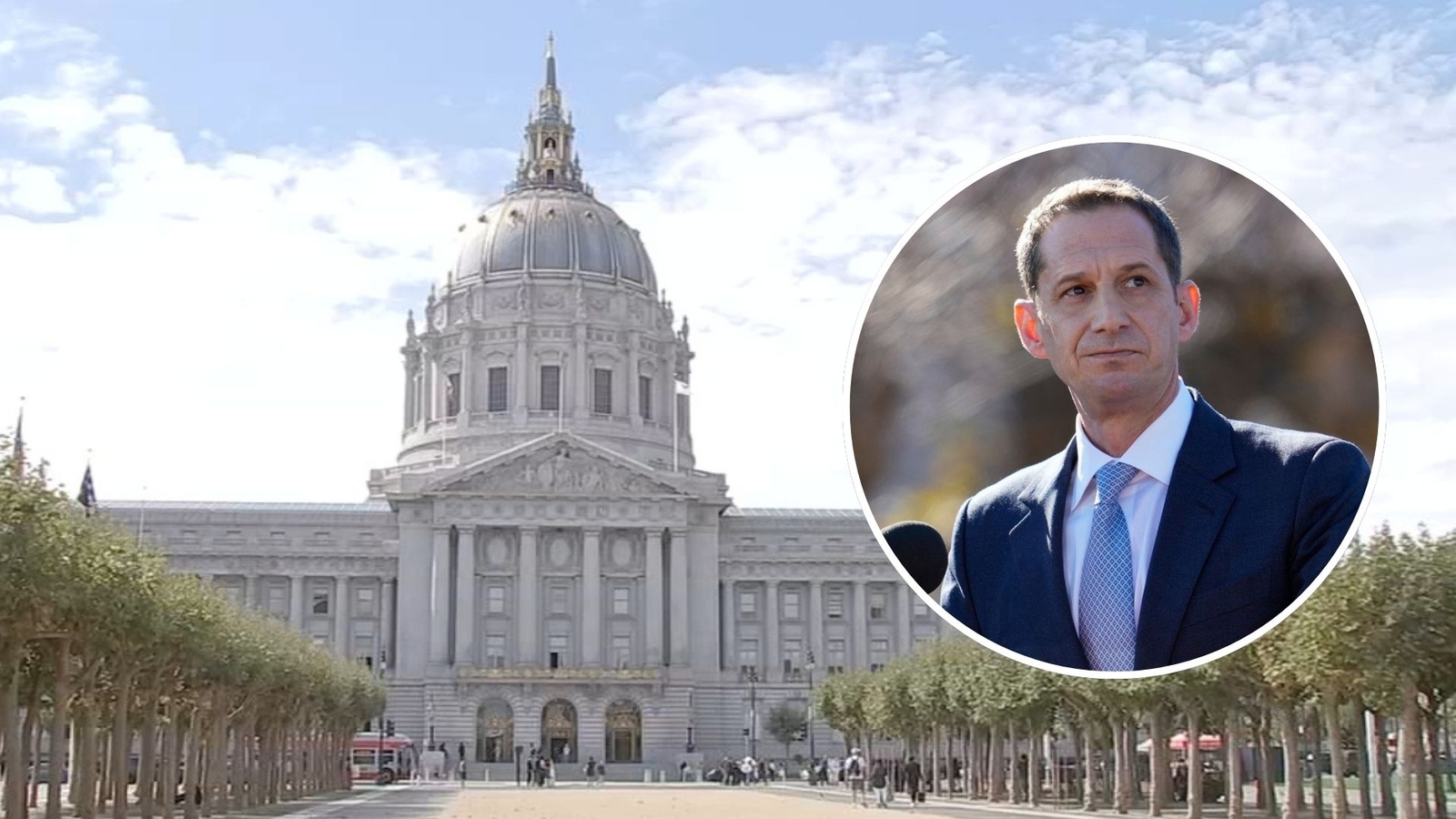
San Francisco is taking significant strides towards addressing historical injustices faced by its Black residents. In a thoughtful move, Mayor Daniel Lurie recently signed a measure to create a reparations fund aimed at supporting African-Americans who have been adversely affected by discriminatory city laws over the years. This initiative reflects the city’s long-standing commitment to acknowledging and rectifying past harms, though it raises questions about funding and implementation.
The Measure: A Symbolic Step Forward
The newly signed measure establishes a reparations fund, but notably, it does not earmark any city dollars for payouts at this time. Mayor Lurie has stated that the city currently lacks the financial resources to contribute directly to the fund. This decision highlights the ongoing fiscal challenges facing many urban centers, which often struggle to meet various community needs amidst budget deficits.
Mayor Lurie’s Vision: Historical Acknowledgment and Community Support
In his statements, Mayor Lurie emphasized the importance of recognizing the decades of harm suffered by the Black community in San Francisco. He noted that various neighborhoods, particularly the Western Addition and Bayview, have been historically impacted by systemic inequities. “For several years, communities across the city have been working with government to acknowledge the harms done,” Lurie said, underscoring the collaborative effort between the community and local government.
He expressed hope that private contributions could eventually support the reparations fund, stating, “If there is private funding that can be dedicated to this fund, we stand ready to ensure that funding gets to those who are eligible for it.”
Addressing Fiscal Challenges: A Tight Budget Landscape
As San Francisco grapples with a nearly $1 billion budget deficit, Mayor Lurie’s administration has been tasked with setting funding priorities. This fiscal reality complicates the implementation of reparations, further illustrating the tension between idealism and pragmatism in public policy. Lurie acknowledged that during budget discussions, identifying key priorities has been crucial to maintaining essential services, such as those related to public safety, street maintenance, affordable housing, and education.
His commitment to enhancing the support structures for Black residents remains steadfast, even in light of financial constraints. “Every day I’ve been in office, my administration has worked to strengthen our investment in San Francisco’s Black residents,” he stated, highlighting a commitment to improve both infrastructure and services that directly impact residents’ quality of life.
Moving Forward: Community and Legislative Support
The push for reparations in San Francisco enjoys strong support from the Board of Supervisors, reflecting a growing recognition of the need for systemic change. The creation of the fund is a collective achievement, built on years of advocacy from community activists and local lawmakers alike. The unanimous endorsement from the Board signals a commitment to continue dialogues about racial equity and justice in the city.
While the absence of initial funding has raised eyebrows, the move to set up a reparations fund lays the groundwork for future discussions around financial contributions from private entities and how best to allocate these funds when they become available. Community leaders are hopeful that this initiative will not only provide monetary support but also foster broader societal discussions about reparations and the ongoing impacts of systemic racism.
Conclusion: A Step in the Right Direction
San Francisco’s recent actions represent a pivotal moment in the conversation around reparations. By formalizing an initiative to create a reparations fund, the city acknowledges its historical responsibilities while navigating contemporary fiscal realities. As the dialogue continues, the community remains engaged, waiting to see how these efforts will unfold in the quest for reparative justice. Whether the fund will ultimately translate into substantive financial support for those in need remains to be seen, but the commitment to start the conversation is a significant first step on this challenging, yet essential, journey.