


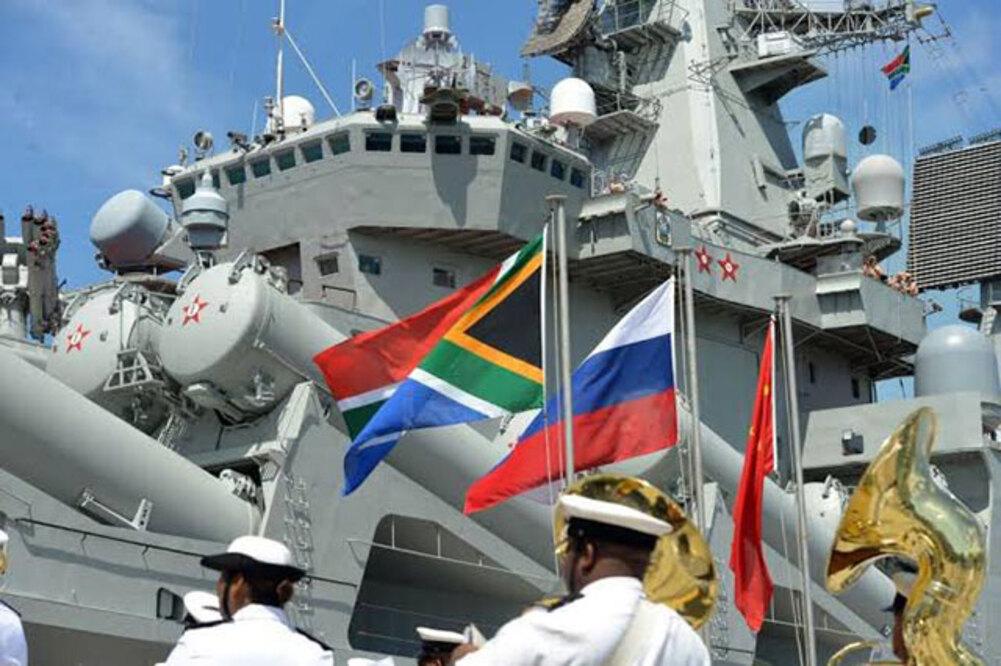
South Africa recently initiated a week-long multinational naval exercise, attracting attention and scrutiny from international observers. This exercise, featuring military collaboration with Russia, China, Iran, and other BRICS-aligned nations, highlights Pretoria’s growing geopolitical alignment with countries often viewed as rivals by the United States.
The drills, named “Will for Peace 2026,” commenced over the weekend off the coast of Cape Town. The naval engagement showcases a variety of vessels, including destroyers from China and Iran, corvettes from Russia and the United Arab Emirates, along with a South African frigate. This participation of multiple countries underscores the exercise’s objective to enhance operational coordination and strengthen maritime security among BRICS and BRICS-Plus navies.
Prominent figures within South Africa’s military have emphasized the necessity of such cooperation. “In an increasingly complex maritime environment, cooperation such as this is not an option, it is essential,” articulated a key South African defense official. This statement reflects the broader recognition of evolving maritime threats and the importance of collaborative security efforts.
One of the primary aims of the “Will for Peace 2026” exercises is the protection of shipping lanes and the safeguarding of maritime economic activities. As global trade routes become increasingly contested, ensuring safety at sea has become a pressing priority for many nations involved in these drills.
The timing of these exercises has added a layer of geopolitical tension, particularly following the United States’ recent seizure of a Russia-linked oil tanker accused of violating Western sanctions. Critics in Washington have expressed concern that South Africa’s deepening military ties with nations like Russia and China signal a shift that could destabilize regional and global alliances.
This latest naval collaboration follows a history of joint exercises between South Africa, Russia, and China, which have been a focal point of tension with the U.S. Notably, joint drills held in 2023 coincided with the anniversary of Russia’s invasion of Ukraine, further stirring discontent among Western powers who view South Africa’s actions as a betrayal of traditional allied relationships.
Furthermore, the expanded BRICS bloc has drawn U.S. scrutiny, particularly as it includes new member states like Egypt, Ethiopia, Iran, Saudi Arabia, the UAE, and Indonesia. Washington has voiced concerns over what it describes as “anti-American” tendencies within the BRICS framework and has warned that participating countries could face additional economic pressures, including tariffs that could further isolate them from Western markets.
The geopolitical dynamics surrounding South Africa have become even more complicated following Pretoria’s recent legal action against Israel at the International Court of Justice, accusing it of genocide in Gaza. This move has generated backlash from Washington, a staunch ally of Israel, further complicating the landscape of international relations in which South Africa is navigating its position.
The evolving relationship between South Africa and nations like Iran and Russia, marked by high-level meetings and defense collaborations, has not gone unnoticed. Washington’s continued vigilance over these developments signals a broader concern about shifting power dynamics in a world increasingly characterized by multipolarity.
As South Africa deepens its military partnerships with BRICS nations, the implications for its foreign policy and military strategy will likely become a focal point in global discussions about security, economics, and international alliances.
Keeping a finger on the pulse of these developments is crucial for understanding how the balance of power may shift in the coming years, as nations respond to the complexities of global politics and seek to secure their interests amid growing multipolar tensions.