


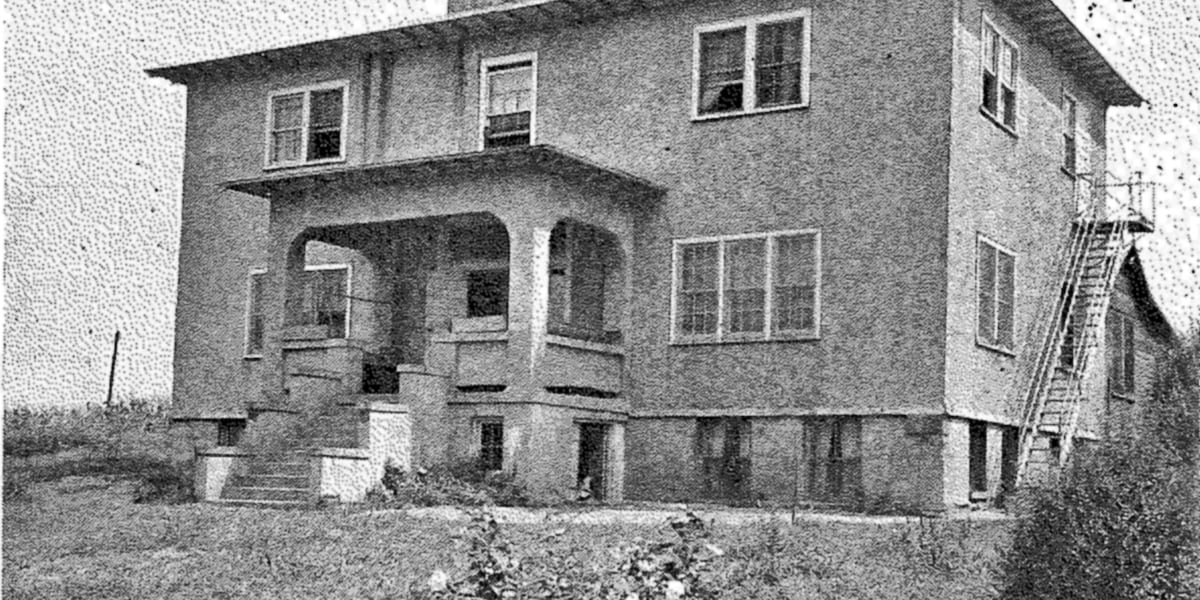
Preserving the Legacy of the Queen Miller Home: A Historical Landmark in Staunton, Virginia
A Glimpse into History
The Queen Miller Home in Staunton, Virginia, stands as a testament to the strength and resilience of the African American community. Established between 1910 and 1950, this historic landmark provided shelter and care to over 300 children who were orphaned, displaced, or denied care. Despite its noble beginnings, only four of the original 100 acres remain today, heightening concerns about preserving this vital piece of history.
Championing the Mission
At the forefront of efforts to preserve the Queen Miller Home is Moonyene Jackson, the granddaughter of Queen Miller and William Ashby Miller. With a deep-rooted connection to the site, Jackson is inspired to honor her grandparents’ legacy by advocating for the preservation of the remaining land. She envisions transforming it into Heritage Park, a space dedicated not just to the Millers but also to the many children who found solace there.
“It’s about saving spaces that African Americans donated— their love, time, and energy— to develop a safe haven for children in need,” Jackson explains. The urgency of her mission resonates with the community, as she emphasizes the importance of recognizing individuals like Queen Miller who invested in the welfare of others.
Preservation Efforts in Motion
Jackson’s plans extend beyond mere preservation; she aims to create a community space where local families can come together to reflect, play, and learn. “Heritage Park would not only serve as a memorial but would also be a place for educational sessions and recreation,” she asserts. With ambitions for picnic tables and a children’s area, Jackson envisions a park that embodies the spirit of the Millers—who, despite personal hardships, dedicated their lives to nurturing those less fortunate.
The path to realizing Heritage Park hasn’t been without challenges. Jackson has reached out to state and local officials for support, including the Virginia Outdoors Foundation. However, her efforts have been met with obstacles, particularly from the city of Staunton, which she feels has not fully grasped the potential for securing grants to facilitate this initiative.
Navigating Administrative Hurdles
“Progress has been slow,” Jackson notes, expressing disappointment over the lack of response from some state officials. “I’ve sent letters and made calls, but I hope to hear back soon.” With the 250th anniversary of the nation approaching, she believes now is a pivotal moment for local leaders to acknowledge the historical significance of the Queen Miller Home and its enduring legacy.
To bolster her activism, Jackson has secured a historical marker for the site, which is scheduled to be installed soon. “This marker represents not just our history, but the struggle and resilience of our community,” she remarks.
A Community Yet to Engage
Josh Knight, the communications manager for the city of Staunton, recognizes the need for more thorough planning and community engagement before any specific plans for the Queen Miller Home can move forward. “We are open to ideas for turning the land into a park but need clarity on how to develop it responsibly,” Knight explains. The city aims to foster green space that caters to public safety and accessibility.
Despite the challenges, both Jackson and Knight remain hopeful for the future of the site. The aim is to create a park that not only preserves history but also promotes community connectivity and reflection on the values that the Millers championed.
A Vision for the Future
Jackson envisions creating a historic park in honor of the Queen Miller Home, which would serve as a beacon of resilience and hope. “It should inspire people to bridge gaps for those who are less fortunate, just as the Millers did,” she says passionately.
In addition to the park, she has even suggested including tiny homes on the property to offer support for those in economic distress, paralleling the circumstances that once led the Millers to care for so many children. “This project serves a dual purpose—preserving history while meeting current needs,” Jackson argues.
Noteworthy Insights About the Queen Miller Home
- The Millers had no biological children; they adopted the children they cared for.
- Moonyene Jackson’s mother was the first child the Millers adopted.
- Queen Miller was affectionately referred to as “Big Momma.”
- The Millers managed the home through farming, public speaking, and community fundraising, with minimal formal funding.
- Many of the children nurtured in the home grew up to become educators, business leaders, and community advocates.
The Queen Miller Home represents a pivotal chapter in American history, echoing stories of resilience and community spirit. In the heart of Staunton, Moonyene Jackson’s efforts embody a movement not just to remember, but to ensure that the sacrifices and contributions of those who came before are recognized and honored for generations to come.