


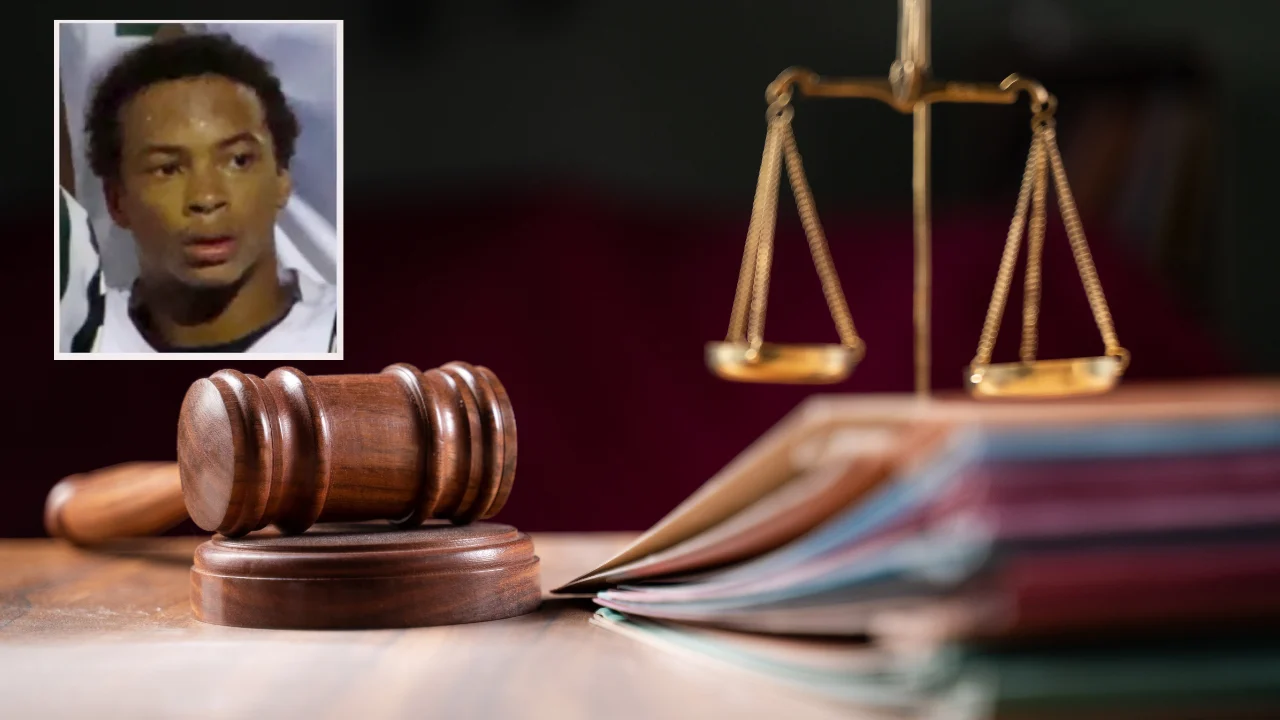
The Journey to Justice: Corey Stingley’s Case
Thirteen years after the tragic death of 16-year-old Corey Stingley, a significant step toward justice was realized when a judge accepted a plea deal involving two men connected to his death. Corey lost his life inside a Wisconsin convenience store after an alleged $12 shoplifting attempt. Robert W. Beringer and Jesse R. Cole pleaded guilty to felony murder under a deferred prosecution agreement that allows them to avoid jail time, marking a moment of emotional relief for the Stingley family.
The Events Leading to Corey’s Death
On that fateful day in 2012, Corey Stingley was suspected of attempting to steal Smirnoff Ice bottles from VJ’s Food Mart in West Allis, Wisconsin. In an alarming turn of events, Beringer and Cole, alongside a third man named Mario Laumann, tackled and restrained Corey while waiting for police to arrive. Tragically, Corey died from asphyxiation due to their actions, which prosecutors later described as unlawful and intentional.
Dane County District Attorney Ismael Ozanne stated, “What happened to Corey Stingley should have never happened. His death was unnecessary, brutal, and devastating.” His comments capture the deep sense of loss felt not only by the Stingley family but also by the broader community.
A Hearing Filled with Emotion
The plea deal was accepted during an emotional hour-long hearing in a Milwaukee courtroom attended by family members, community activists, and spiritual leaders. Corey’s parents, Alicia and Craig Stingley, addressed the court, expressing their pain and the long fight for justice. Alicia poignantly remarked, “Corey was my baby. A mother is not supposed to bury her child.” Her message of forgiveness was powerful, culminating in a hug for Beringer after the hearing.
Cameron Stingley, Corey’s brother, also extended his hand to both men, symbolizing a complex journey toward healing and understanding.
The Restorative Justice Process
Under the terms of the plea deal, Beringer and Cole are required to make a one-time $500 donation to a charity chosen by the Stingley family in Corey’s honor. If they adhere to the agreement and commit no further crimes over six months, the charges will be dismissed. This not only offers the Stingley family a sense of justice but also encourages a broader dialogue on restorative justice practices.
Corey’s family communicated that their aim was never solely about punishment. “We sought not vengeance, but acknowledgement — of Corey’s life, his humanity, and the depth of our loss,” they stated. They feel the restorative justice process brought forth a kind of healing that traditional judicial proceedings often fail to provide.
Legal Complications and Advocacy
Initially, the case had remained closed without charges for years. Prosecutors had decided against bringing criminal cases, arguing that the restraint was not intended to kill Corey. Surveillance footage and witness testimonies, however, described a graphic and violent struggle led by Laumann, who held Corey in a chokehold. The Milwaukee County Medical Examiner ruled Corey’s death as a homicide due to the brain injury caused by asphyxiation.
Amidst this legal quagmire, Craig Stingley took it upon himself to fight for accountability, eventually uncovering a “John Doe” statute that allowed private citizens to petition for a review of suspected crimes. His efforts led to the appointment of special prosecutor Ozanne, who later indicated that although evidence of a crime existed, securing a conviction was uncertain.
Reflecting on Lessons Learned
Corey Stingley’s tragic death occurred in the same year as the killing of Trayvon Martin, an incident that ignited national conversations about race and justice in America. Yet, Corey’s case received minimal attention beyond Wisconsin. The Stingley family hopes their journey sheds light on the importance of accountability and understanding, especially in cases involving racial dynamics.
Both Beringer and Cole, during the restorative justice meetings facilitated by the Andrew Center for Restorative Justice, expressed a newfound understanding of the profound ripple effects of their actions. They now recognize the deeper implications of Corey’s death, articulating their sorrow that his “time on this earth ended far too soon.”
A Call for Healing and Understanding
Milwaukee County Circuit Court Judge Laura Crivello praised the plea agreement as a fair resolution. She articulated a hope that this case would encourage people to look for similarities in one another rather than focusing on differences, fostering a culture of restorative justice. Through their efforts, the Stingley family not only seeks personal healing but aims to encourage community understanding, ultimately reinforcing the notion that accountability and empathy can coexist in the face of tragedy.