


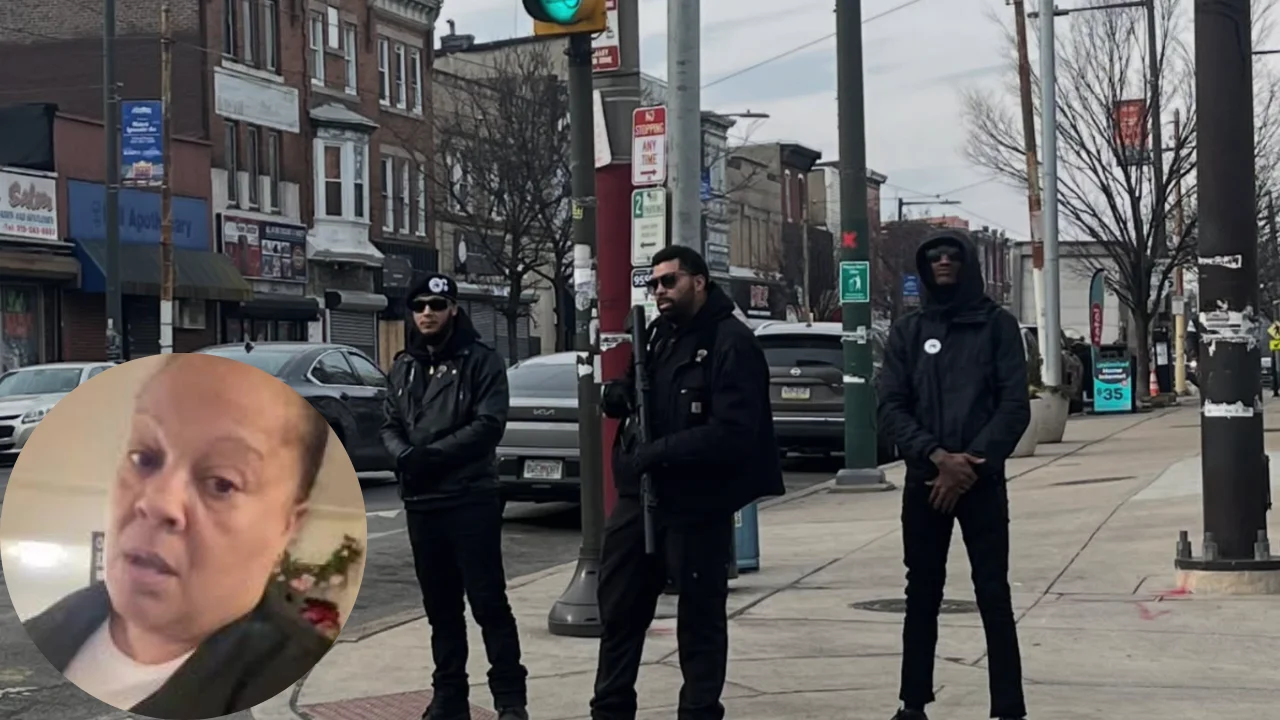
The recent emergence of individuals donning black berets and claiming to represent a new chapter of the Black Panther Party in Philadelphia has stirred significant controversy. Among those outraged by this development is Myesha Newton, the niece of the late Huey P. Newton, a co-founder of the original Black Panther Party (BPP). Her passionate reaction underscores the ongoing complexities and emotional weight surrounding the legacy of the Panthers.
In a recently shared video, Myesha Newton expressed her ire towards Paul Birdsong, a prominent figure in a contemporary organization using the Black Panther name. “My name is Myesha Newton,” she began, firmly establishing her connection to the founding family. “I’m about to get a cease and desist order against you and I’m about to sue you,” she declared, emphasizing her determination to protect her uncle’s legacy. “We’re not doing that,” she added emphatically, concluding with a bold statement: “See you in court, b-tches.” This reaction encapsulates a deep familial and cultural tension surrounding the appropriation of the Black Panther name and ethos in modern social movements.
@myesha415newton #blackpantherparty @Black Panther Party @BLACK PANTHER PARTY @united black panther Party #blackpantherparty ♬ original sound – Myesha415Newton
The controversy escalated when Birdsong, who leads a chapter in West Philadelphia, gained attention for his organization’s armed presence at protests following the tragic shooting of 37-year-old Renee Nicole Good by Immigration and Customs Enforcement (ICE) agents in Minneapolis. Birdsong made headlines by asserting that had his organization been present during the incident, “not a single person would have gotten touched.” His bold claims resonate with the historical roots of the Panthers, which aimed to protect the African American community from systemic violence.
This situation has not only revived discussions around the BPP legacy but has also unveiled rifts within the Newton family. Confusion reigns among those claiming to be heirs of Huey Newton’s legacy. Rico Dukes, who identifies himself as Huey Newton’s biological son, asserts that he has given his endorsement to Birdsong’s chapter. In a Facebook video, he expressed his support, noting that “many elders from the 1966 Panther Party vouch for his chapter.” This claim contradicts Myesha’s strong opposition to the contemporary organization, exemplifying the fractures within the community over the right to represent Black Panther ideals.
In a response to Myesha’s legal threats, Dukes downplayed her assertions, suggesting that her attempts at legal action would be futile. He claimed that only Huey’s widow, Fredrika Newton, could potentially pursue any legal measures relating to the Black Panther trademark, which has reportedly lapsed. According to Dukes, Myesha’s proclamations were merely “talk.” This feud indicates a profound generational divide concerning the legacy and interpretation of the Black Panther Party’s principles.
Myesha, undeterred by Dukes’ rebuttal, later challenged him in another viral TikTok video, offering $25,000 if he could prove their familial connection through a DNA test. This public confrontation not only highlights personal disputes but also serves as a microcosm of a broader struggle over heritage, authenticity, and representation within the historical narrative surrounding the Panthers.
The saga unfolding in Philadelphia vividly illustrates the complexities of identity, legacy, and cultural appropriation. As various factions continue to draw from the rich history of the Black Panther Party, questions linger about who has the right to claim that legacy and how it should be interpreted in modern contexts. The passionate responses from figures like Myesha Newton and the conflicting endorsements from others in the family reveal a community grappling with its past while navigating the present landscape of social justice.