


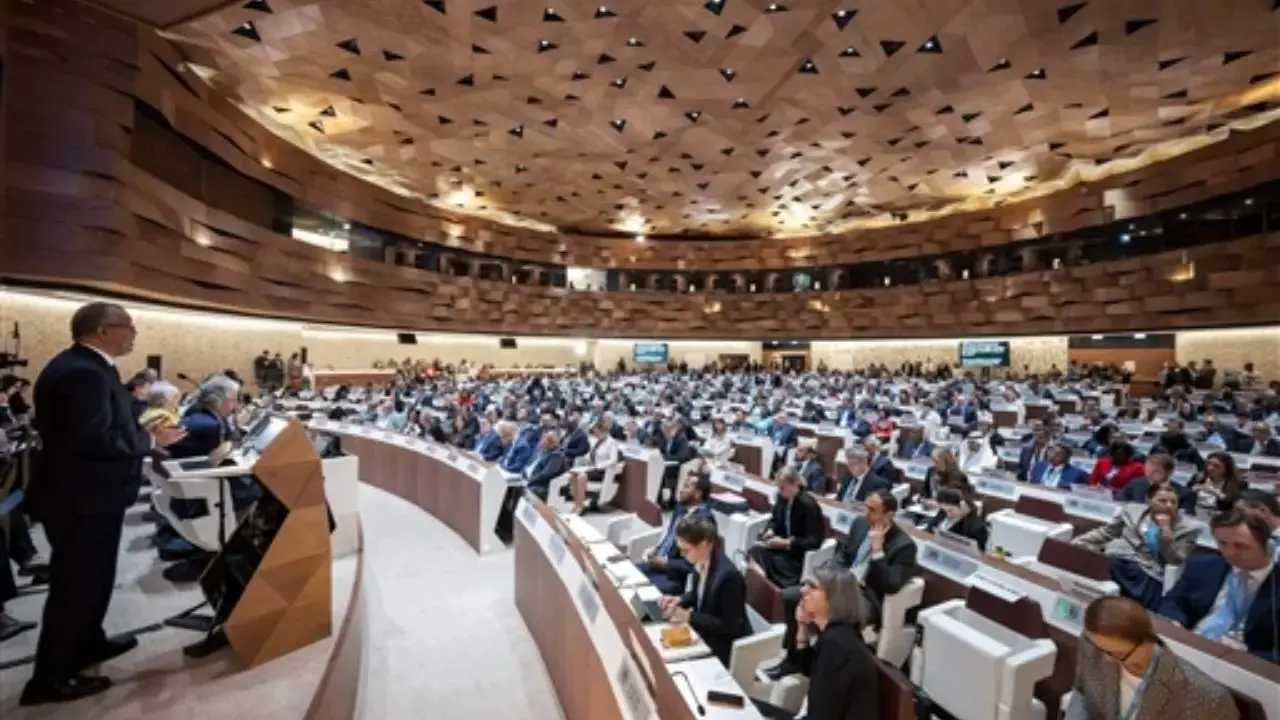
The US Withdrawal from the WHO: Implications and Controversies
The decision of the United States to withdraw from the World Health Organization (WHO) marks a significant moment in global health policy, potentially reshaping how the world responds to pandemics and other health crises. As the dust settles on this controversial choice, the ramifications are becoming increasingly clear.
Background: The US and WHO Relationship
The U.S. has been a pivotal player in global health initiatives since the WHO’s inception in 1948. Historically, America has contributed substantial funding, averaging around $111 million annually in member dues and approximately $570 million in voluntary contributions. This financial support has been critical in facilitating WHO’s efforts to tackle health crises, such as outbreaks of diseases including polio, Ebola, and more recently, COVID-19.
In 2019, President Donald Trump announced the intention to withdraw, citing dissatisfaction with WHO’s handling of the COVID-19 pandemic, perceived political biases, and a lack of necessary reforms within the organization. He pointed to certain missteps, such as initial advice against mask-wearing, and an assertion that the virus was not airborne—guidance which was reversed later.
Financial Ramifications
Currently, the U.S. owes WHO over $130 million, fulfilling a financial obligation that remains unpaid. While the withdrawal was legally executed with one year’s notice, critics argue that financial responsibilities should also accompany such a decision. Administration officials have disputed this requirement, asserting that they are not obligated to pay dues prior to exiting. This stance raises questions about the ethical and operational consequences of not meeting financial commitments.
Threats to Global Health Initiatives
Experts warn that the U.S. exit from the WHO presents substantial risks. The withdrawal may severely impact the global response to infectious diseases, as it could disrupt international collaboration on vaccine research and distribution. Public health authorities have cautioned that the lack of U.S. participation will undermine efforts against polio eradication, maternal and child health interventions, and the identification of emerging viral threats.
Dr. Ronald Nahass, president of the Infectious Diseases Society of America, referred to the U.S. decision as “shortsighted and scientifically reckless.” The lack of formal engagement means the U.S. no longer participates in WHO-sponsored committees or technical working groups that inform essential decisions about vaccine formulations, including for seasonal influenza.
Loss of Critical Data and Collaboration
By stepping back from the WHO, the U.S. risks losing access to crucial health data shared globally. This includes intelligence that has historically aided in early detection of potential pandemics. Without the collaborative framework that WHO offers, the future of disease prevention and response may be jeopardized.
Critics point out that alternative arrangements for data sharing with other countries—suggested by the Trump administration—are unlikely to provide the same level of insight that WHO data affords, particularly from countries where new outbreaks often emerge. A public health law expert at Georgetown University, Lawrence Gostin, emphasized the improbability of securing agreements for information sharing with countries like China, which could be less inclined to cooperate with the U.S. following tense political relations.
What Happens Next?
The implications of the U.S. withdrawal from WHO continue to unfold. Critics argue that this shift not only diminishes American influence in international health decisions but also poses a threat to health security on a global scale. The lack of U.S. funding may hinder vital health initiatives and limit the capacity of the WHO to operate effectively.
Moreover, the internal U.S. response to future health crises may face constraints due to diminished access to international support networks. The WHO serves as a vital coordination body during health emergencies, and isolating the U.S. from these processes could lead to slower response times and less effective management of public health initiatives.
The Argument for Reengagement
As discussions around rejoining or reformulating the relationship with WHO emerge, voices from various sectors advocate for reconsideration. The necessity for a global health infrastructure, especially in light of recent pandemic experiences, suggests that collaboration may be essential for future resilience against emerging health threats.
In conclusion, the U.S. withdrawal from the WHO is not merely a political maneuver; it has profound implications for public health both domestically and internationally. As the world continues to navigate the complexities of global health, the need for unified efforts becomes increasingly critical.