


Prince Harry and the Legacy of Service: Understanding His Recent Statement
Prince Harry’s recent statement holds significant weight, particularly given his profound connection to the military and veterans. As a royal with a storied background in the Armed Forces, his words resonate not just personally but also reflect broader themes of solidarity and service. Professor Kate Williams, a notable royal commentator and historian, highlights this connection as she discusses the implications of his message.
A Personal Connection to Military Service
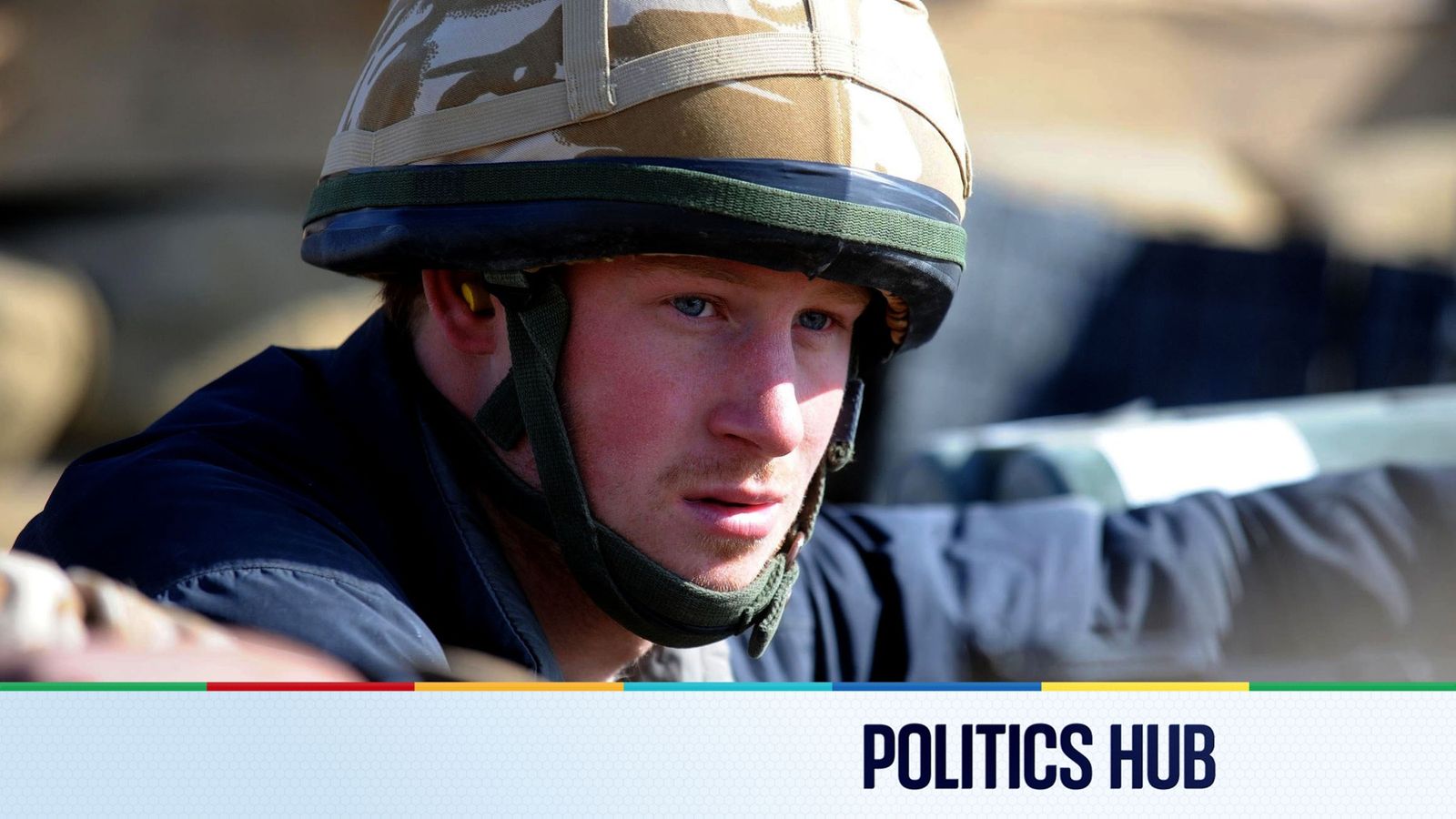
Professor Williams notes that Prince Harry identifies deeply with the men and women who serve in the armed forces, particularly those who served alongside him in Afghanistan. This personal connection is paramount for the Duke of Sussex, who has traditionally viewed military service as a defining part of his identity. Having served two tours in Afghanistan, Harry’s experiences have shaped his perspectives, influencing how he advocates for veteran issues.
By emphasizing his connection to the military, Harry resonates with countless veterans and actively draws attention to their sacrifices, underscoring a commitment to raise awareness about their needs and concerns.
The UK’s Role in Afghanistan: More Than Just Troops
Professor Williams also sheds light on the complexity surrounding the UK’s involvement in Afghanistan. Contrary to some perceptions that British troops were deployed merely to support the US, she emphasizes that the decision was rooted in a commitment to solidarity and shared values.
“It’s not just about boots on the ground,” she asserts. This perspective is crucial to understanding the nature of international relations during those tumultuous years. The UK’s deployment was not a function of providing sheer manpower, as the size of the UK military never matched that of the US. Instead, it was a united front, standing shoulder to shoulder with allies in a global effort.
Solidarity Over Numbers
It’s important to recognize that military alliances are about more than just military might. Professor Williams articulates that the UK’s military involvement represented a moral and political stance. This solidarity, she argues, showcases that partnerships in military endeavors extend beyond mere logistics; they require shared commitment and values.
Harry’s military service plays a vital role in this narrative. His unique position enables him to bridge the gap between historical context and present-day discussions about national service, responsibility, and camaraderie in times of conflict.
The Significance of Support for Veterans
Prince Harry’s advocacy extends beyond historical reflection; it actively shapes the conversation regarding the support needed for veterans today. His experiences allow him to champion policies and programs aimed at helping individuals who have served. His statement serves as a reminder that awareness and advocacy are critical components in improving the lives of those who have sacrificed for their country.
Through his work, including initiatives like the Invictus Games, Harry continues to elevate the discourse surrounding mental health, rehabilitation, and reintegration challenges faced by veterans. His commitment to this cause demonstrates that the legacy of military service continues to impact not just individuals but also the societal frameworks that support them.
The Ongoing Narrative of Service
The context of Prince Harry’s statement is enriched by historical complexities and personal narratives, highlighting the intersection of individual experiences and broader military traditions. As a veteran, Harry embodies the values of courage, resilience, and solidarity—fundamental tenets that resonate with both his own past experiences and the collective sacrifices of service members.
In this ongoing narrative, it becomes ever clearer that the impact of military service extends far beyond the battlefield, influencing generations and shaping discourses about support, community, and shared responsibility.