


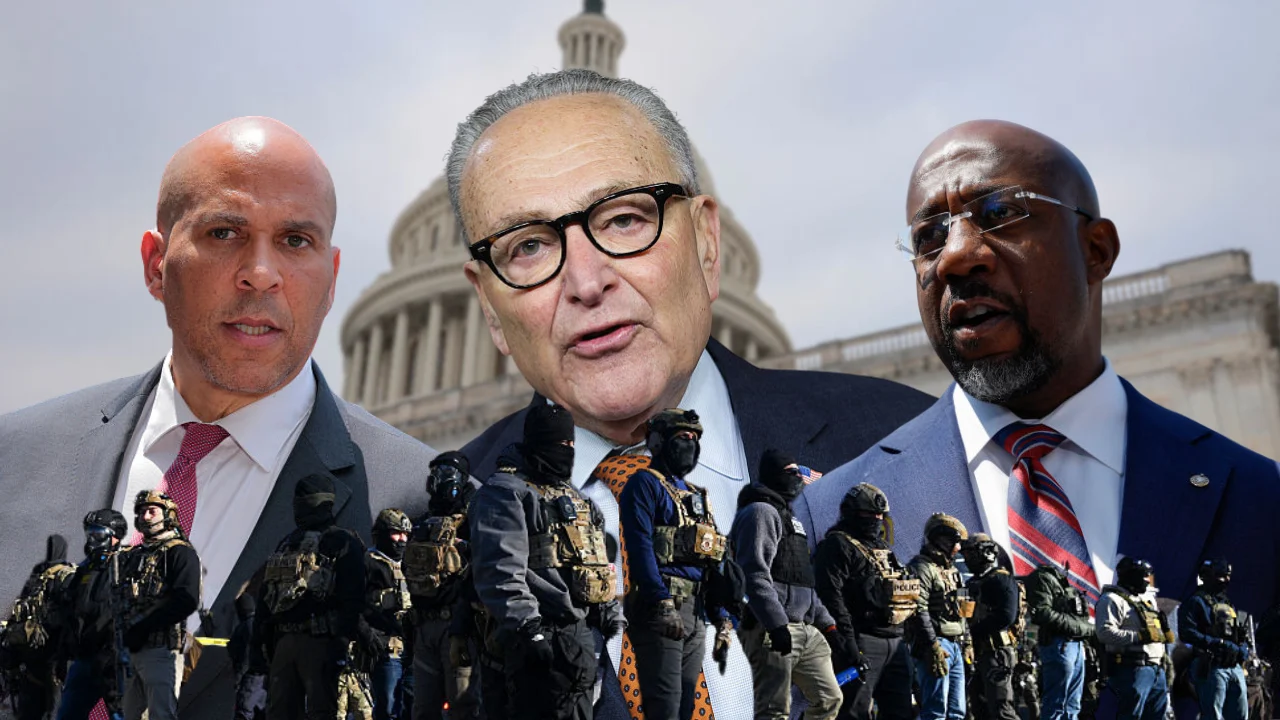
Government Shutdown Looms Amid DHS Funding Dispute
As the deadline approaches for federal spending bills, a potential government shutdown looms over Congress, centered around funding for the Department of Homeland Security (DHS). The urgency has intensified following the recent fatal shooting of Alex Pretti by Immigration and Customs Enforcement (ICE) agents in Minneapolis, marking yet another incident in a distressing series of related events. This shooting, notably the third within less than a month, has sparked outrage and compelling discourse on the role and authority of DHS and its associated agencies.
Democratic Opposition to DHS Funding
Senate Democrats are currently consolidating their efforts against a proposed spending bill that allocates nearly $65 billion to DHS, including $10 billion dedicated specifically to ICE. In light of the recent tragedies, many lawmakers are voicing concerns about what they perceive as an alarming expansion of power among federal law enforcement agencies, a trend they attribute to policies initiated during the Trump administration.
Senate Minority Leader Chuck Schumer is among the vocal critics. He has emphasized the appalling nature of the recent events in Minnesota, asserting that the demands for reform and oversight within the DHS are not being listened to. He stated, “Democrats sought common sense reforms in the Department of Homeland Security spending bill, but because of Republicans’ refusal to stand up to President Trump, the DHS bill is woefully inadequate to rein in the abuses of ICE.”
Calls for Reform
Officials such as Senator Raphael Warnock of Georgia have echoed these sentiments, arguing that this moment demands a nationwide response against President Trump’s policies. During a segment on MS Now’s “Morning Joe,” he noted the urgency with which Americans must act to prevent further violence and overreach, declaring, “We cannot enable this kind of overreach by the government.”
Similarly, Senator Cory Booker has made clear his stance against any further funding for DHS and ICE. He asserts that the actions of these agencies are systematic and pervasive, stating, “These are not isolated incidents. This organization is out of control.”
Implications of a Government Shutdown
If Congress does not pass the necessary appropriation bills by the end of the week, the United States could face its second government shutdown in less than a year. For Democrats to block the current bill, they would need a coalition of at least seven members from their party to vote against it, as the bill also requires the support of some Republicans to pass. In contrast, Democratic leadership is advocating for a funding bill free from DHS allocations, a move that would necessitate the House of Representatives to reconvene from recess.
Growing Calls for Action Against ICE
The urgency of the situation has incited a broader conversation about the necessity of drastically reforming, or even abolishing, ICE altogether. Advocacy for such sweeping changes has gained momentum, with figures like former Congressman Jamaal Bowman urging decisive action against agency overreach, which he claims perpetuates systemic violence. In an impassioned social media post, he stated, “State-sanctioned lynching and murder is happening under this administration. We need governors, mayors, every elected official to step up… abolish them, defund them, whatever the f–k needs to be done.”
The Budgetary Context
The context for this heated debate is underscored by a significant budgetary increase for ICE, particularly during Trump’s administration, where expenditures have skyrocketed. In fact, the allocation known as the “One, Big, Beautiful Bill Act” earmarked approximately $75 billion over four years for ICE, rendering it the most funded federal agency in U.S. history. This financial growth—reportedly a 400% increase—has raised alarm among critics who argue that such escalation inevitably results in increased enforcement activity that threatens civil liberties.
Senator Warnock shed light on the implications of this funding surge, indicating that the sheer size of ICE now eclipses the combined resources of other major federal law enforcement agencies, including the FBI and DEA. He remarked, “When you build a beast that large, it’s got to eat. And we’re witnessing it eat and consume the bodies of ordinary citizens.”
The Political Landscape Ahead
As the clock ticks toward the funding deadline, the stark divide between Democratic and Republican perspectives on immigration enforcement and federal funding remains keenly visible. The Democratic leadership is faced with the challenge of leveraging their political capital against a backdrop of unfolding tragedies related to ICE’s operations. With public sentiment also increasingly critical of the agency’s conduct, this political showdown could have lasting ramifications for both governance and societal norms in the U.S.
In an ever-evolving discussion, it is clear that the fate of DHS funding, the very operations of ICE, and the broader implications for immigration policy are interwoven with a national call for justice, accountability, and reform. With every political maneuver, the stakes continue to rise, encapsulating the urgency and tumult of contemporary American governance.