


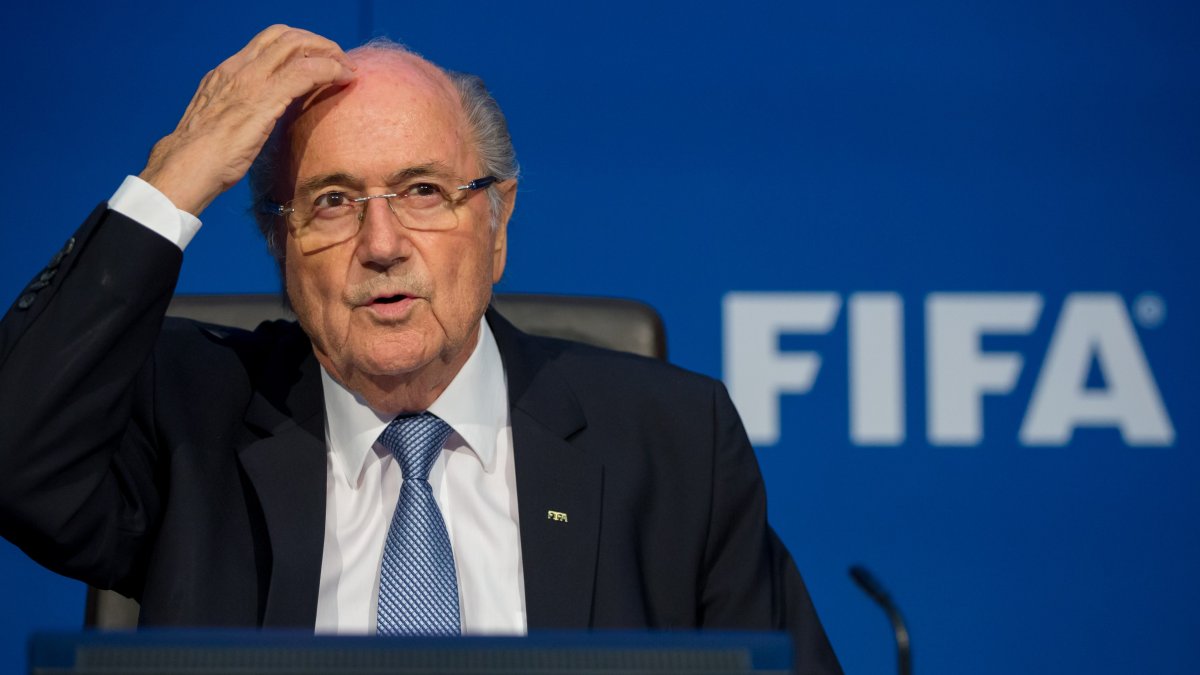
Sepp Blatter’s Controversial Call for World Cup Boycott
On Monday, former FIFA president Sepp Blatter publicly supported a proposed boycott of World Cup matches in the United States. His stance comes amid criticism regarding the conduct of President Donald Trump and his administration, both domestically and internationally. This movement is gaining traction within soccer circles, raising questions about the suitability of the United States as a host nation for the prestigious tournament.
Mark Pieth’s Warning
Blatter’s endorsement of the boycott aligns with the views of Mark Pieth, a noted Swiss attorney and anti-corruption expert. Pieth, who previously chaired the Independent Governance Committee overseeing FIFA reforms, warned fans in an interview with the Swiss newspaper Der Bund to “stay away from the USA.” He expressed concerns about potential repercussions for fans who may not align with the officials’ expectations, suggesting that dissenters could be sent home immediately.
In his post on X (formerly Twitter), Blatter quoted Pieth, emphasizing that serious scrutiny of the World Cup’s United States venue is warranted. This is certainly not the first time Blatter has stirred controversy. After a tenure marred by scandal, his words carry weight in discussions about governance and ethics in international soccer.
Broader Concerns from the International Community
The collective apprehension from the international soccer community isn’t solely about Blatter or Pieth. Concerns stem from Trump’s global policies, including his administration’s aggressive immigration tactics, travel bans, and expansionist rhetoric. These actions have raised alarm among soccer officials and fans alike, particularly regarding the treatment of fans traveling from countries affected by the travel bans.
Travel Bans and Impact on Fans
The implications of these policies were starkly highlighted when travel arrangements for fans from Senegal and Ivory Coast were disrupted. A recent announcement from the Trump administration effectively barred fans from these nations from attending the World Cup unless they held pre-existing visas—an action described as necessary due to “screening and vetting deficiencies.”
Moreover, fans from Iran and Haiti, both of whom will be in the tournament, will also face restrictions owing to earlier iterations of the administration’s travel policies. This disarray has left many advocating for a boycott, fearing that attending the games could lead to more than mere disappointment.
Voices from Germany
Adding to the growing call for a boycott, Oke Göttlich, a vice president of the German soccer federation, has suggested that serious considerations must be made regarding participation in the World Cup. This sentiment reflects a broader discontent simmering within international soccer communities against the backdrop of political tensions.
FIFA’s Response and Ticket Policies
In a bid to make the World Cup more accessible, FIFA has announced that $60 tickets will be available for every match during the tournament hosted by the U.S., Canada, and Mexico from June 11 to July 19. This pricing strategy aims to incorporate fans from national federations in a more inclusive manner amidst the swirling criticisms.
Soccer is more than just a game; it’s a cultural phenomenon that unites millions globally. As discussions about the World Cup deepen, the implications of national policies on international events invite serious discourse on ethics, governance, and the responsibilities of host nations.