


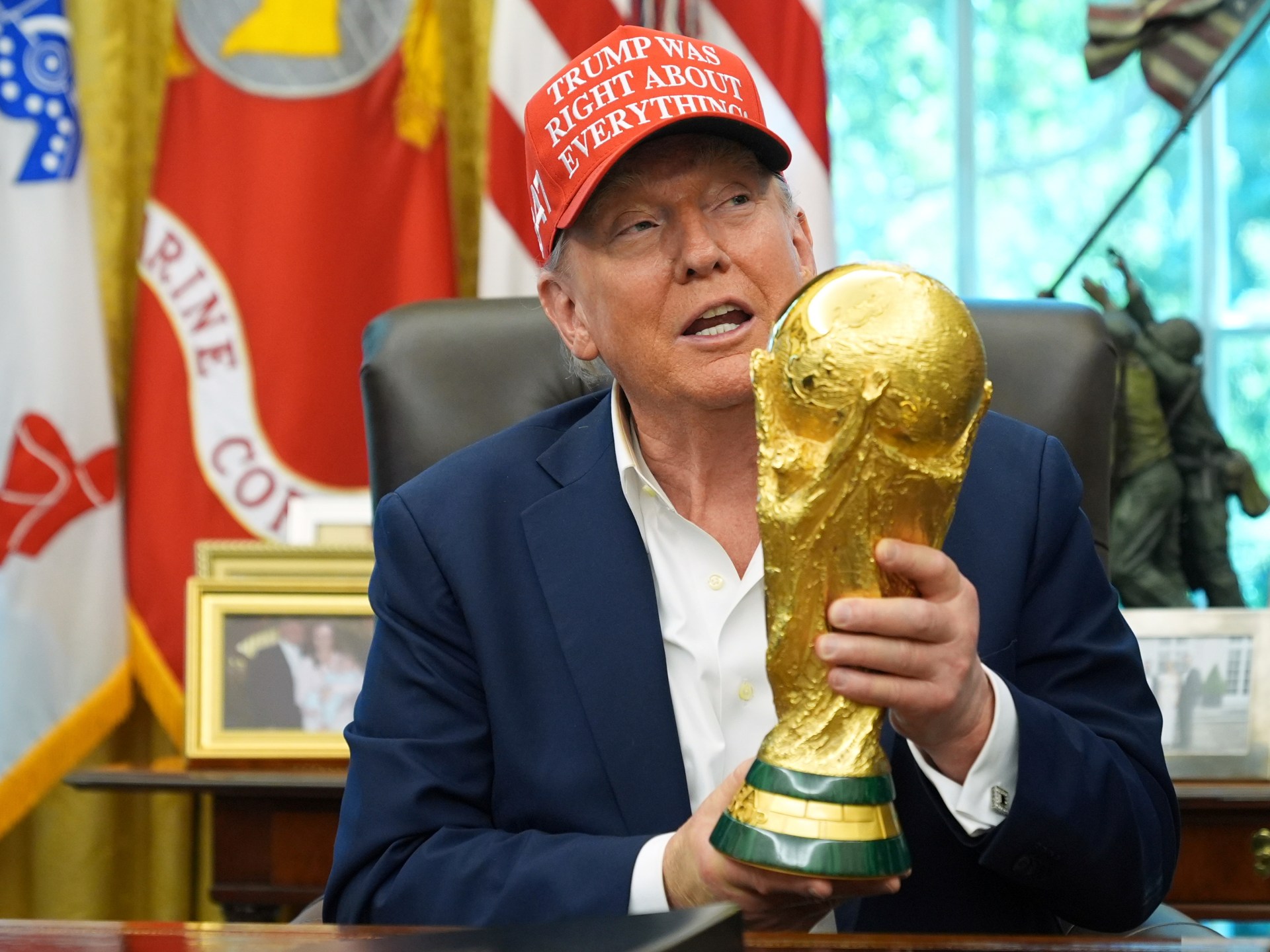
Blatter Backs World Cup 2026 Boycott Amid Trump Criticism
Former FIFA president Sepp Blatter has added his voice to a growing chorus urging a boycott of the upcoming 2026 World Cup in the United States. The Senior football figure expressed his concerns about the political climate and the actions of President Donald Trump and his administration, emphasizing the need for fans to reconsider attending the tournament scheduled from June 11 to July 19, co-hosted by the U.S., Canada, and Mexico.
Voices of Dissent in Soccer
In a recent post on the social media platform X, Blatter echoed sentiments from Mark Pieth, a Swiss lawyer known for his expertise in anti-corruption. Pieth, in an interview with the Swiss newspaper Der Bund, urged football fans to “stay away from the USA.” He emphasized that viewers would likely enjoy the matches more from the comfort of their homes, rather than facing the risks associated with traveling to the U.S. “Upon arrival, fans should expect that if they don’t please the officials, they’ll be put straight on the next flight home,” he added, underlining a tense atmosphere for visiting fans.
Concerns About the United States as a Host
Blatter’s and Pieth’s warnings stem from significant apprehensions regarding Trump’s domestic and international policies. Critics point to the president’s controversial immigration stance, which has raised questions about safety and inclusivity for traveling fans. For example, recent travel bans disproportionately affected citizens from countries such as Senegal and the Ivory Coast, throwing their plans into disarray. Additionally, fans from countries like Iran and Haiti were also included in such bans, limiting their ability to participate in the tournament.
These actions have led to fear within the football community about the potential risks faced by international visitors. Many are questioning whether the U.S. is an appropriate host for an event that prides itself on global unity and collaboration.
Historical Context: A Call to Reflect
The discussions around a boycott aren’t new; they call to mind the Olympic boycotts of the 1980s, driven by geopolitical tensions. Oke Gottlich, a vice president of the German football federation, weighed in on this historical comparison, arguing that the current threats could warrant serious discussion about the appropriateness of holding such a significant event in the U.S. “What were the justifications for the boycotts of the Olympic Games in the 1980s?” he questioned. “By my reckoning, the potential threat is greater now than it was then.”
Embedding values into sports is crucial for Gottlich, who expressed concern over the global football community’s stance. He criticized the hypocrisy of becoming apolitical after the backlash against FIFA’s choice to host Qatar, suggesting that football organizations must defend human rights and ethical standards, especially as international tensions escalate.
Worldwide Momentum for Action
The call for a boycott has reverberated beyond Europe, with political leaders in South Africa also echoing this sentiment. Julius Malema, South Africa’s main opposition leader, has urged the national football association to withdraw from the World Cup, paralleling Trump’s policies with the apartheid regime’s historical injustices. “We must boycott the World Cup in America and anything that has got to do with America,” he proclaimed. This raises significant moral questions within the realms of sports and human rights.
British lawmakers have likewise urged England and Scotland to pull out of the tournament, citing Trump’s aggressive foreign policy moves, such as threats to annex Greenland. In the Netherlands, more than 100,000 fans have signed a petition calling for a boycott, although the Royal Dutch Football Association has indicated that it currently has no plans to withdraw.
Navigating a Complex Landscape
As the countdown to the World Cup continues, the impassioned arguments for boycotting the event reflect broader concerns about ethics, governance, and fandom. While positions within the football community remain divided, the debate underscores the vital interplay between sports and politics. The actions taken—or not taken—by players, teams, and organizations could significantly resonate in a world where sporting events do not exist in a vacuum.