


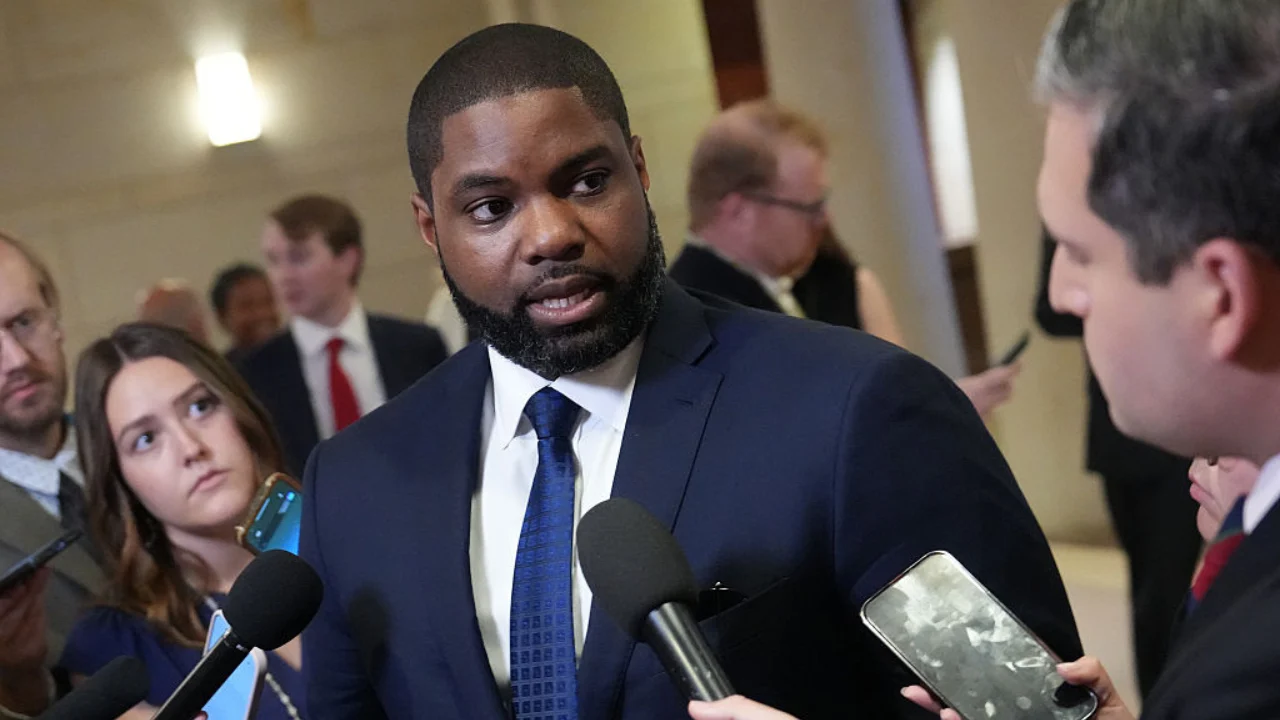
The recent fatal ICE shooting of Alex Pretti has reignited a fierce debate about immigration enforcement and the response to federal policing in the United States. Following this tragic event, Republican Congressman Byron Donalds suggested that the protests in Minneapolis are fueled by “paid agitators,” a claim that lacks credible evidence yet reflects a growing narrative among certain political circles.
Speaking to NewsNation, Donalds stated, “Nobody wants to see any American lose their life like this…But we also have to be honest about what’s happening in Minneapolis.” His comments suggest a belief in a broader conspiracy of paid organizations instigating unrest, which mirrors assertions made by former President Trump following civil unrest earlier this month. He remarked about the existence of “paid agitators and insurrectionists,” an allegation that resonates with a faction of supporters who are inclined to view protests with skepticism.
When pressed about whether he implied that Pretti himself was a paid agitator, Donalds dodged the question but reiterated feelings about unrest being driven by financial incentives rather than organic grassroots movements. His assertion hints at a deeper narrative being woven in conservative media, painting dissent as manipulated rather than heartfelt. Yet, analysis from various sources indicates that these claims are spurious and lack substantiation.
In stark contrast, historian Yohuru Williams articulated a different narrative when he addressed PolitiFact, stating that most protesters are individuals from Minnesota expressing genuine concern about the increasing presence of ICE and the Trump administration’s overreach. “They are residents who are responding to the state of affairs,” he noted, reinforcing the idea that these protests arise from sincere socio-political concerns rather than some orchestrated effort.
Numerous testimonies from activists, such as Rod Adams of the New Justice Project, further illuminate the motivation behind the protests. Adams emphasized that the current demonstration efforts are the culmination of years of advocacy, particularly following the Black Lives Matter movements in 2020. “We’ve organized for so long… and we know how to respond to a crisis,” he explained, framing the recent protests as a result of established movements aimed at engendering social justice and a truly multi-racial democracy.
Attention should also be drawn to the notion that the influx of ICE agents in Minneapolis aims to stifle progressive advancements made in the region. Activists have expressed concern that this strategy is a calculated move to instill fear among the populace and undermine the progressive policies that Minnesota has championed, such as paid leave and restoring voting rights. Adams asserted, “This is an attempt by this administration to not only create fear and chaos but to prove that what Minnesota was, and the progress that we made here, doesn’t work.”
The divergence in perspectives highlights a fundamental chasm concerning the role of federal agencies in enforcing immigration laws. Many citizens view immigration enforcement through a lens of community safety and human rights, while others see it as a necessary measure for maintaining order. This ongoing discourse reflects the complexities of navigating a multifaceted immigration system and the responses it elicits at both local and national levels.
As the public grapples with the implications of the shooting and the associated protests, it’s essential to acknowledge the lived experiences of those advocating for change. These voices—grounded in personal loss, community solidarity, and a desire for transformative justice—challenge simplistic narratives that seek to diminish the authenticity of grassroots movements.
The backdrop of these events, characterized by escalating tension and conflicting narratives, underscores the urgent need for equitable immigration policies and community-focused approaches to law enforcement. Individuals and organizations advocating for these changes continue to mobilize, demonstrating resilience in the face of a politicized environment that often seeks to discredit their efforts.
In reflecting upon this unfolding situation, it’s crucial to engage with a wide array of perspectives and recognize the significance of local movements that aim for progress, equity, and justice. The conversation about ICE, federal intervention, and community responses is far from over, leaving room for ongoing dialogue that examines the heart of these pressing concerns.