


Navigating Uncertainty in African Fashion: The AGOA Impact
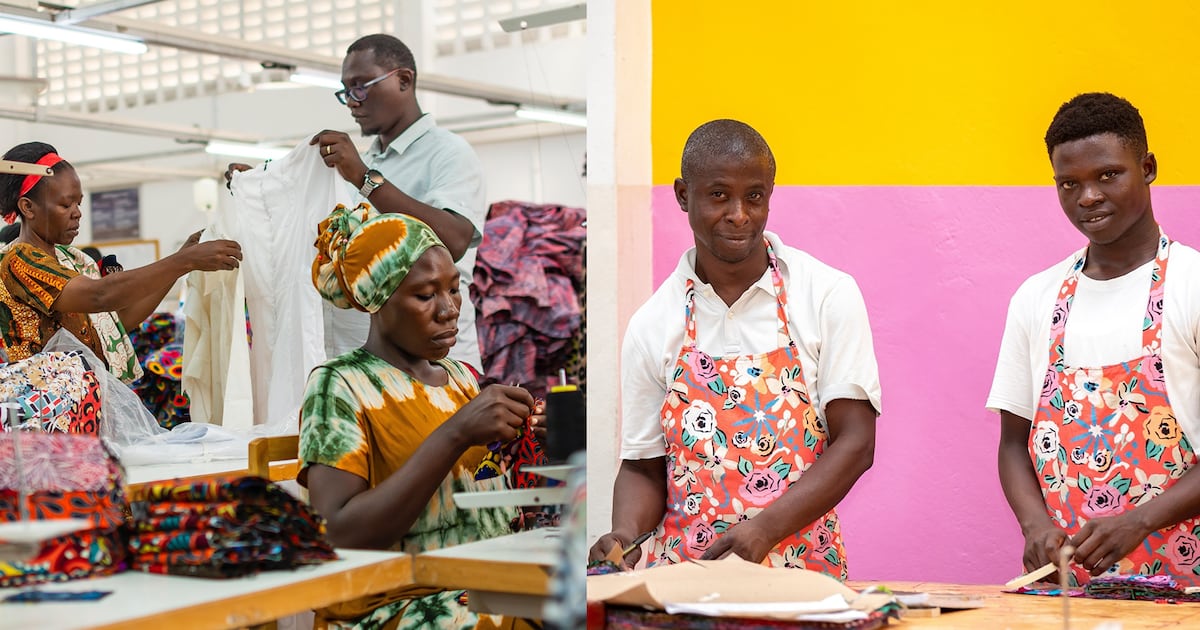
“We are all living with uncertainty,” says Joanna Maiden, chief executive at garment manufacturer Soko Kenya, signaling a growing unease within the African textile industry. Last year’s tariff uncertainties from the US threatened the livelihoods of 66,000 workers in Kenya, most of whom are women supporting numerous dependents. The recent expiration of the African Growth and Opportunity Act (AGOA) has further exacerbated these challenges, driving Kenyan exports to the US to become more expensive and less competitive.
The Role of AGOA
AGOA has historically provided preferential access for eligible African countries to the US market, allowing them to export apparel duty-free. This scheme not only bolstered the apparel sector but empowered thousands of workers and their communities. With the expiry of AGOA in September, suppliers like Soko Kenya, which exports 90% of its production to the US, are left grappling with increased costs and diminished market access.
Diversification Efforts Underway
Faced with this looming crisis, Maiden is actively pursuing diversification efforts toward European and Australian markets. However, she warns that potential buyers might view Kenya as a “risky sourcing country,” particularly smaller brands that often gravitate towards established textile bases. This shift highlights a broader trend: manufacturers are urged to mitigate risks by exploring alternatives to an increasingly volatile US market.
The Ripple Effects of Tariff Changes
Current circumstances compel businesses to rethink pricing strategies. “For existing clients, we will look at trimming prices to soften the blow from tariff hikes,” Maiden has stated. Yet she also contemplates the bigger implications: “Where does this extra cost go? Who has to take the hit?” It’s a collaborative discussion, but one that indicates looming struggles that often find their way back to factories, which bear the brunt of market fluctuations.
Dangers of AGOA’s Expiry
The ramifications of AGOA’s lapse extend beyond individual manufacturers. Job losses and potential factory closures have been forecasted, especially for countries like Lesotho, which were deeply reliant on US trade dynamics. According to the International Trade Centre, many eligible nations are bracing for a considerable decline in exports, which could further exacerbate financial instability in an already vulnerable sector.
Legislative Movements and Hopes for Reinstatement
Relief hangs on the potential reinstatement of AGOA, with a proposed three-year extension currently making its way through Congress. The House of Representatives has already passed the AGOA Extension Act, but the Senate’s approval remains uncertain. If the act receives the President’s signature, it could allow US importers to seek refunds on duties incurred during the AGOA lapse, offering a glimmer of hope amidst the uncertainty.
The Broader Picture: What’s at Stake?
The stakes are immense. The expiry is affecting not only manufacturers but also smaller, emerging fashion brands that struggle to maintain competitiveness. Tanzanian entrepreneur Nisha Kanabar, for instance, has reported that the US consumer’s price sensitivity is making it increasingly difficult to justify higher prices prompted by new duties.
Advocacy from Industry Leaders
Industry organizations like the American Apparel & Footwear Association (AAFA) have voiced frustrations over the delay in renewing trade preference programs. Their spokesperson, Beth Hughes, emphasized the need for bipartisan action to sustain the local garment industries in Africa and support US textile exporters. Failure to act jeopardizes suppliers in both regions and hands an advantage to manufacturing competitors like China.
Economic Implications for African Nations
Data from the US Office of Textiles and Apparel illustrates that Kenya stands as the largest AGOA-eligible exporter of textiles to the US, with significant contributions to the nation’s GDP. Countries reliant on AGOA—such as Madagascar and Lesotho—are now grappling with varying levels of economic impact due to these shifts. The situation has been dire, raising concerns over job security and export capabilities across the continent.
Lessons from Countries Like Ethiopia and Rwanda
The termination of AGOA benefits for countries like Ethiopia over human rights concerns has led to considerable fallout. Major brands like PVH Corp. have abandoned Ethiopian markets, leading to job losses and a decline in orders for local manufacturers. Conversely, in Rwanda, the withdrawal of AGOA benefits emphasized the political intricacies tied to trade agreements and has highlighted the fragile nature of export dependency.
Strategies for the Future
With many manufacturers now looking towards Europe and intra-African trade as alternatives, the transition is riddled with challenges. As some entrepreneurs cite new opportunities to attract foreign investments, they emphasize the need for adaptation. For many, the goal is not merely survival but growth, with a focus on sustainability and ethical practices in fashion manufacturing.
Third-Country Fabric Provisions: A Double-Edged Sword
A critical aspect of AGOA is the third-country fabric provision. This allows garments made from imported fabrics to qualify for duty-free status, creating both opportunity and challenge. While it has been instrumental for many African manufacturers, dependency on external fabric sources raises questions about the sustainability of local industries.
Moving Forward in a Complex Landscape
As the AGOA extension debate unfolds, many manufacturers are still left pondering a path forward. Whether they can build a resilient industry without overreliance on precarious trade agreements remains the central question. For their part, industry leaders are advocating for a shift toward a more self-sufficient textile ecosystem, one that prioritizes local production without sacrificing global competitiveness.
In this volatile environment, amidst fluctuating tariffs and shifting trade dynamics, African fashion faces a pivotal moment.