


The Ongoing Fight for Civil Rights: A Contemporary Perspective
As we reflect on the civil rights movement’s history, questions arise about the progress the nation has made since the era of Dr. Martin Luther King Jr. The path to equality has evolved, but challenges remain, compelling today’s activists to scrutinize the advancements and stalling points in this relentless fight for justice.
Civil Rights Movement Legacy
The legacy of the Civil Rights Movement is profound, characterized by a quest for equality that encompassed voting rights, housing access, and educational opportunities. Dr. Richard Cooper, an esteemed figure in social work and African American studies, describes this era as a pivotal moment, highlighting the comprehensive nature of the desired changes.
“The movement, as articulated through the vision of Rev. Dr. Martin Luther King Jr., aimed for the total package of African Americans having access to what was once referred to as the American Dream,” Cooper reflects. This dream encapsulated not just moral equality, but tangible socio-economic opportunities.
Progress and Pushback
Despite significant accomplishments such as increased representation in once-exclusionary sectors, Cooper notes that not all goals were realized. He emphasizes, “While progress has been made when compared to the Jim Crow era, we find that systemic roadblocks persist.”
Comprehensive access is still obstructed by policies that entrench economic inequities. For example, significant barriers remain in the realm of education and housing, reflecting a broader resistance to dismantling historical inequities.
The Resilience Narrative
Cooper articulates a crucial aspect of the struggle against systemic racism: resilience. The fight for civil rights is likened to a pendulum, swinging between advancements and regressions. He shares that despite setbacks, there is an unwavering commitment among activists to continue advocating for civil liberties.
As we enter 2026, the landscape of civil rights challenges is evolving. New fronts have emerged, with key issues focusing on social equity in the era of technology.
The Role of Technology in Civil Rights
Emerging technologies like artificial intelligence pose unique challenges to equity. U.S. Rep. Yvette Clark (D-N.Y.-09) is leading efforts to address these challenges through legislative action, as exemplified by her reintroduction of the “Artificial Intelligence Civil Rights Act.” This bill seeks to ensure that advancements in technology do not embed systemic discrimination into the fabric of American life.
Clark emphasizes the dual responsibility of innovation and ethical governance: “As we seek to innovate, we must ensure that discrimination does not become irreversibly entrenched in the technology of the future.”
Legislative Measures Against Algorithmic Bias
The proposed legislation counteracts discrimination within AI systems, calling for a rigorous analysis of algorithms to prevent unjustified disparities based on race or other characteristics. By mandating federal audits of AI, the initiative aims to safeguard fundamental civil rights in an age increasingly dominated by data and technology.
Engaging with Current Challenges
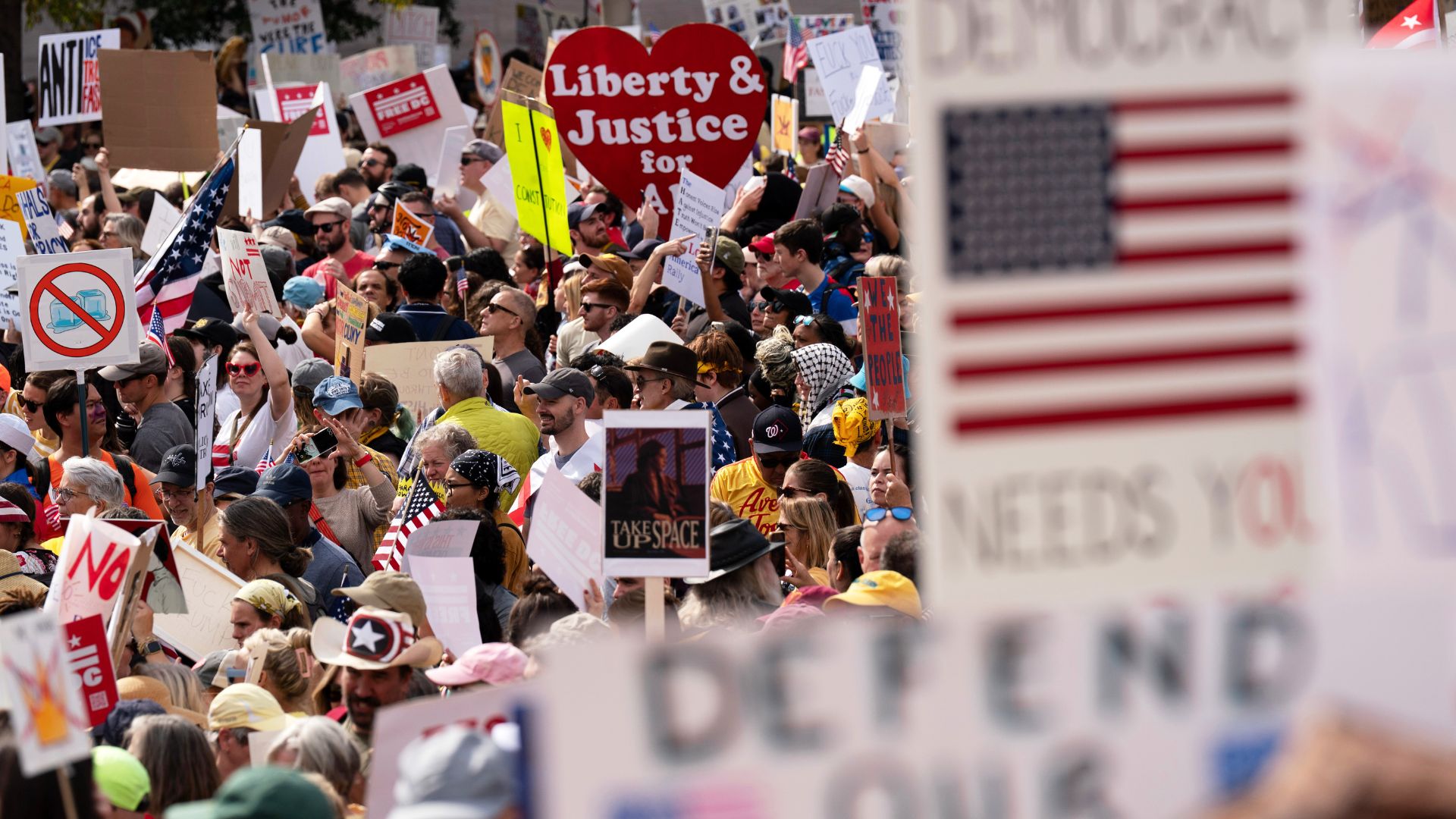
As events surrounding civil rights unfold, the mobilization of activists and legislators reflects a commitment to addressing both the persistent legacy of injustice and the emerging complexities of modern technology. With new challenges on the horizon, the fight for equality continues to adapt, warranting vigilance from all corners of society.
In summary, the narrative of civil rights is far from being concluded. With insights from thought leaders like Dr. Richard Cooper and proactive legislators like Yvette Clark, the ongoing dialogue around equity and access underscores a community dedicated to advocating for a just future. The quest for true equality persists, driven by a collective commitment to dismantle both historical injustices and contemporary obstacles.