


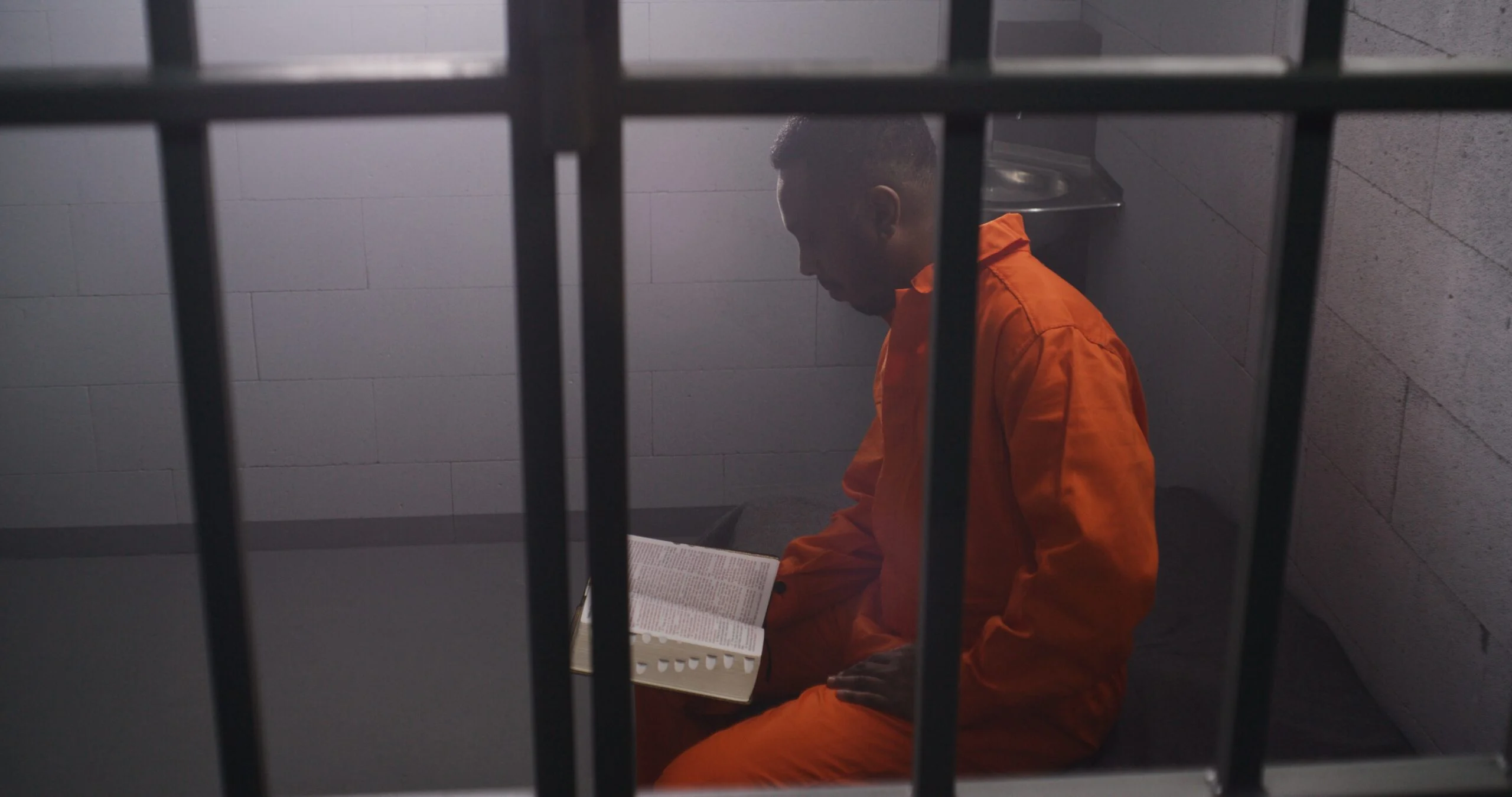
Arkansas Imposes a Total Ban on Outside Reading Material in Prisons
Arkansas is set to enact what advocates and critics are calling “the most extreme restriction” on access to reading material in prisons across the nation. This sweeping ban, approved by the Arkansas Board of Corrections on December 19, 2022, will prohibit the sending of books, magazines, and newspapers into state prisons from any outside sources starting February 1, 2023. This move obliterates a longstanding tradition that allowed incarcerated individuals to receive hard copies of reading materials from family, educators, and community members.
The Rationale Behind the Ban
In a memo dated December 30, Dexter Payne, director of the Arkansas Division of Correction, expressed that this policy shift stems from increasing concerns about contraband—specifically drugs—being smuggled into prisons via printed materials. The memo indicated that the ban is vital for mitigating what Payne described as significant security risks, noting incidents in which substances like synthetic marijuana and methamphetamines were concealed within the pages and bindings of books.
Payne outlined 25 documented instances from January 2022 to August 2025 where drugs were allegedly smuggled through books. The memo painted a picture of a troubling trend in contraband smuggling efforts, which it characterized as “continued and escalating attempts.” Payne emphasized that contaminated paper not only poses risks to those incarcerated but also to staff and overall prison safety.
The Loss of Connection and Resources
For many families and advocates, this decision is a profound loss. The previous policy, in effect since 2007, allowed books and magazines to be sent if sent directly from publishers or approved vendors. Under this structure, corrections staff had the authority to review and reject materials on a case-by-case basis, ensuring that security and rehabilitation goals were met. The new policy disregards this nuanced approach, implementing a blanket ban that fundamentally alters how incarcerated individuals connect with their support systems.
The Unique Nature of Arkansas’ Policy
A review conducted by the Arkansas Democrat-Gazette revealed that no other state has implemented such an all-encompassing prohibition on external printed materials. “This is certainly the most thorough and harshest ban I’ve heard of,” stated Wanda Bertram, a spokesperson for the Prison Policy Initiative. While contraband is indeed a legitimate concern, many view this policy as an extreme overreach that disproportionately affects families and supporters of those behind bars.
The Consequences of a Security-First Approach
Critics of the ban argue that the state is unfairly targeting books as a convenient scapegoat in its fight against contraband. As Bertram pointed out, “There’s going to be some drugs coming in from every avenue.” By reducing the channels of communication and access to reading material, the Arkansas Department of Corrections risks alienating families and undermining the rehabilitative potential that reading offers to incarcerated individuals.
Comparison with Other States
Arkansas is not alone in tightening restrictions around mail and publications. For instance, Florida’s Department of Corrections recently began routing all nonlegal mail through a private scanning center, where physical letters are digitized before reaching inmates. However, unlike Arkansas, many states, including Florida, still permit books to be sent directly from recognized publishers or approved retailers. This differentiation highlights the extreme nature of Arkansas’ new regulations.
Alternatives Provided by the State
While the Arkansas Department of Corrections claims that incarcerated individuals will still have access to a wide range of resources through state-issued tablets and prison libraries, critics argue that these alternatives are insufficient. The claim of over 50,000 titles available on tablets does not alleviate concerns regarding the quality and variety of materials in prison libraries, which are often underfunded and poorly stocked. Publishers like Robin Graham, who highlights the voices of imprisoned writers through a dedicated magazine, argue that this ban effectively silences many, stifling support and creativity essential for rehabilitation.
Broader Implications
As Arkansas moves forward with this unprecedented ban, the long-term implications remain to be seen. Will other states mirror this restrictive approach, or will they adhere to more moderate policies? The choices made in Arkansas could indeed set a precedent, influencing how prisons across the country handle access to reading materials and the broader question of rehabilitation versus security. This evolving landscape will be critical to monitor as families, advocates, and incarcerated individuals navigate the complexities of a tightening correctional environment.