


Remembering Robert Redford: A Legacy Beyond the Silver Screen
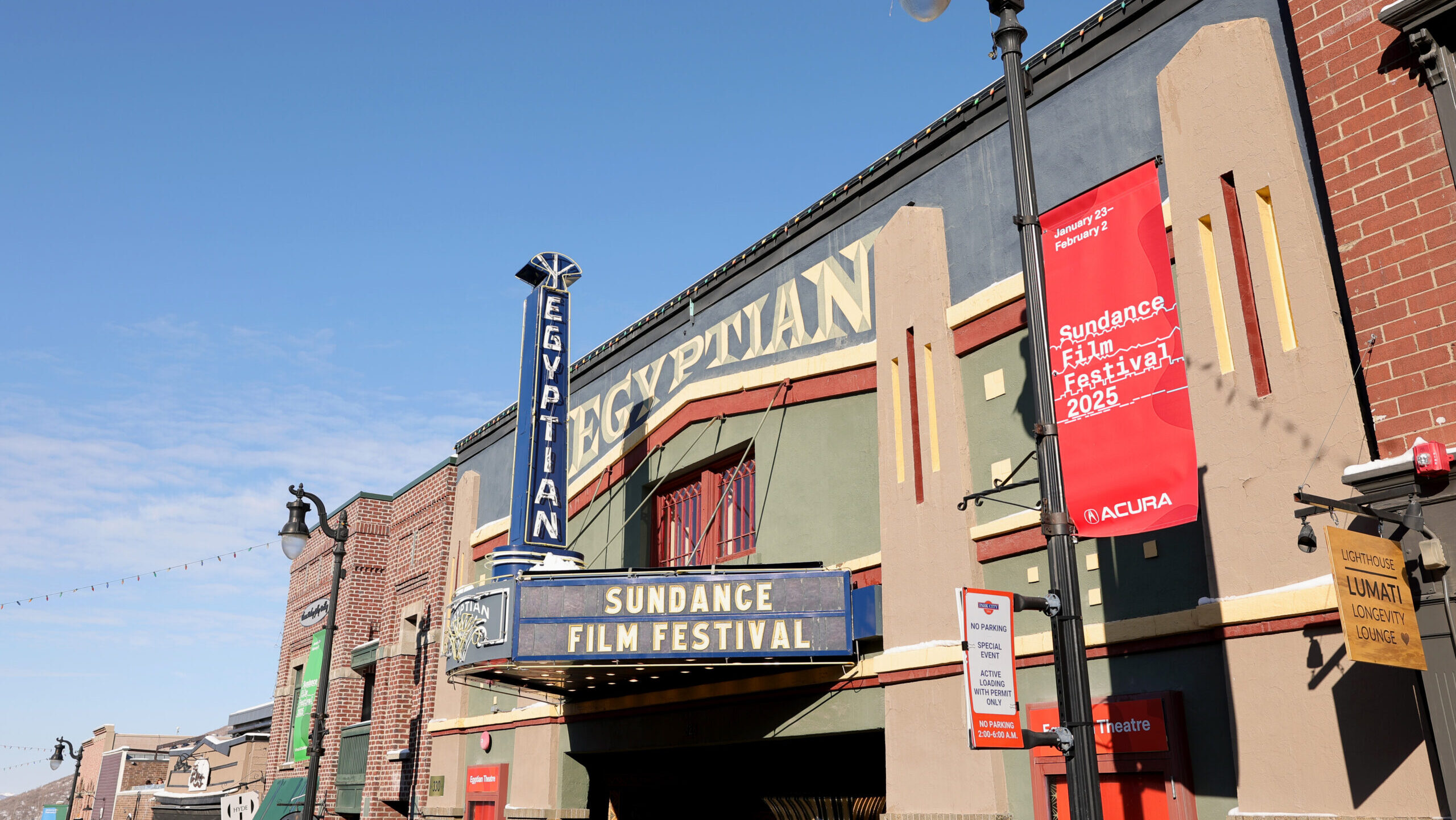
Film icon Robert Redford passed away on Tuesday at the age of 89, leaving behind not just an illustrious acting career but a rich legacy that transformed the landscape of cinema. One of his most significant contributions is the Sundance Film Festival—a festival that has become a beacon for independent filmmakers around the world. This annual showcase began in the early 1980s through his Sundance Institute, evolving from a modest gathering of aspiring filmmakers into a global launchpad for new talent.
The Birth of Sundance
When Redford founded the Sundance Film Festival, the vision was clear: to create a nurturing platform for independent filmmakers. Located in the picturesque mountains of Utah, Sundance opened its doors as a stage for unique voices that often went unheard in mainstream Hollywood. Over the decades, it has grown exponentially, becoming synonymous with innovation and creativity in film. Today, Sundance is renowned as the premier festival for discovering fresh cinematic talent, as well as for its ability to challenge conventional storytelling.
A Launchpad for Black Filmmakers
Sundance has played a pivotal role in promoting Black filmmakers, offering a platform for many to showcase their work. Directors like Barry Jenkins, Ryan Coogler, Ava DuVernay, Dee Rees, and Jordan Peele have graced its stage with films that have sparked dialogue and changed how stories about Black experiences are told in cinema. From their compelling narratives to their cinematic styles, these filmmakers have left an indelible mark on both the festival and the broader film industry.
Barry Jenkins
Jenkins first caught the world’s attention with his film “Fruitvale Station,” which premiered at Sundance in 2013. Based on the tragic real-life killing of Oscar Grant, the film poignantly captured the struggles and the resilience of its characters. Sweeping both the Audience Award and the Grand Jury Prize, “Fruitvale Station” set Jenkins on a trajectory that eventually led to his Oscar-winning film, “Moonlight.” His storytelling is deeply rooted in social consciousness, making him one of the most celebrated directors of his generation.
Ryan Coogler
Coogler debuted at Sundance with “Fruitvale Station” as well, showcasing his extraordinary talent in storytelling that elevates social issues. His follow-up projects, including the groundbreaking “Black Panther,” solidified his status as a powerhouse in cinema. Coogler’s unique ability to weave entertainment with significant themes has redefined the superhero genre, encouraging diverse representation in mainstream storytelling.
Ava DuVernay
DuVernay’s significant moment came two years before the release of “Selma” when she premiered “Middle of Nowhere” at Sundance. This film made history, as it earned her the title of the first Black woman to win Sundance’s Best Director Award. DuVernay has continued to influence Hollywood not just through her storytelling but also by paving the way for underrepresented voices through her initiatives and her role on the Sundance Institute Board of Trustees.
Dee Rees
Rees brought critical LGBTQ narratives to the forefront with her film “Pariah,” which premiered at Sundance in 2011. The film, which won Rees the Excellence in Cinematography Award, focuses on the complex coming-of-age story of a Black lesbian teenager. This intimate portrayal has become a staple representation of Black life, further establishing Rees as a vital storyteller whose works encourage inclusivity in cinema.
Nia DaCosta
DaCosta made waves in 2018 with her feature “Little Woods,” a gripping drama that juxtaposes the hostile landscape of North Dakota with the very human struggles of two sisters. Developed at Sundance, this film highlighted DaCosta’s tension-filled narrative style, later earning her a spot in major studio projects, including the reboot of “Candyman.” Her journey emphasizes the festival’s role in shaping careers in the horror genre.
Jordan Peele
Peele burst onto the scene with his directorial debut, “Get Out,” which premiered at Sundance in 2017. The film cleverly combined sharp satire with horror, addressing racial issues in America while captivating audiences with its unique storytelling. Peele’s work has since redefined the horror genre, opening doors for more diverse narratives that resonate with social commentary.
Brittany Shyne
Emerging as part of Sundance’s latest wave, Brittany Shyne showcased her documentary “Seeds” at the 2025 festival, earning the U.S. Grand Jury Prize for Documentary. Supported by the Sundance Institute Documentary Fund, Shyne exemplifies the evolving landscape of Black independent film, contributing to the richness of stories that the festival brings to light.
Wendell B. Harris Jr.
In 1990, Harris made history with “Chameleon Street,” winning the Dramatic Grand Jury Prize at Sundance. As the first Black director to gain recognition at the festival, Harris paved the way for future Black storytellers, emphasizing the importance of authentic representation in independent cinema.
Sundance has undoubtedly been a pivotal platform in nurturing and promoting Black filmmakers, helping to shape contemporary cinema and inspire future generations. As we celebrate Robert Redford’s legacy, we continue to recognize and uplift the voices that have emerged from the festival, contributing to a richer, more diverse film industry.