


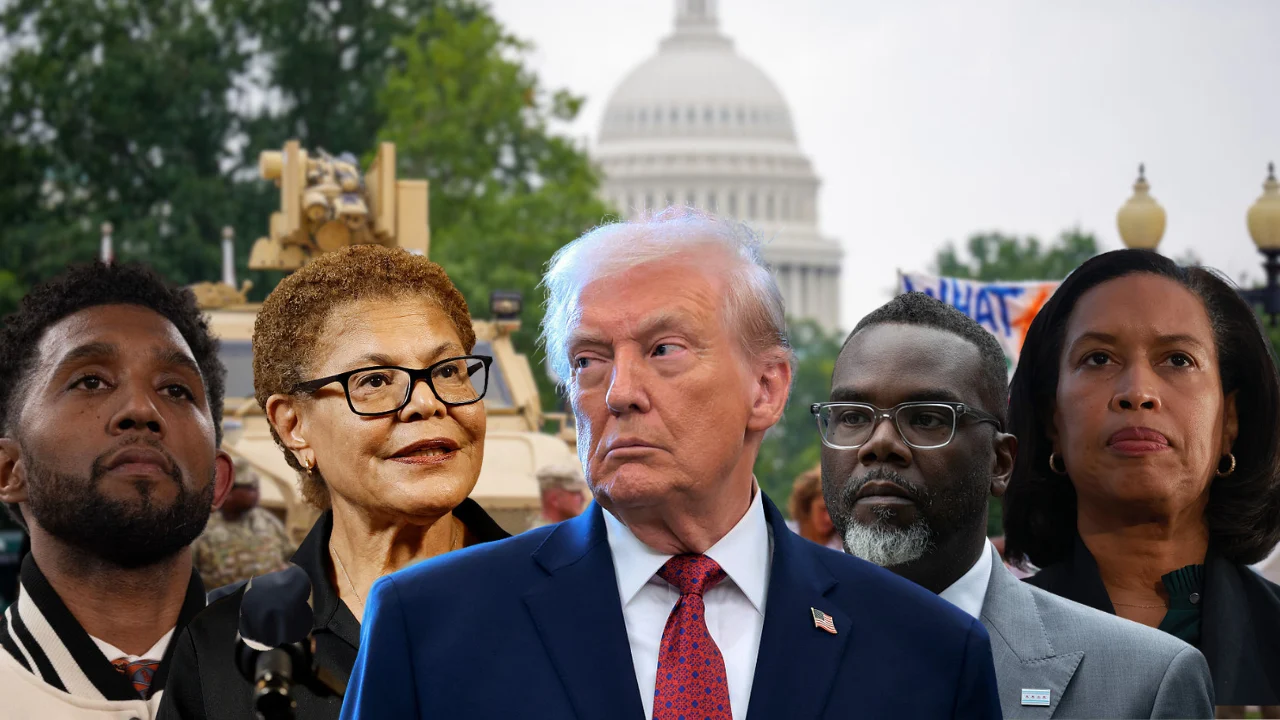
In recent years, major U.S. cities led by Black mayors, supported by significant Black and Latino populations, have made notable strides in reducing violent crime, challenging negative portrayals often perpetuated by political figures. Former President Donald Trump famously described these urban areas as “hellholes” and “slums,” yet the data tells a different story, particularly in cities like Baltimore, Chicago, and Los Angeles.
Baltimore, consistently in the national spotlight, has seen historic declines in violent crime, particularly homicides. In 2025, the city recorded just 133 homicides—the lowest figure in nearly half a century. This represents the third consecutive year of double-digit declines. Remarkably, the year also marked the largest single-year percentage drop in homicides ever recorded, plummeting by 31% from the previous year.
Alongside these reductions in homicides, non-fatal shootings in Baltimore dropped significantly, from 423 in 2024 to 311 in 2025—a decrease of 24.5%. Mayor Brandon Scott highlighted the comprehensive strategies implemented to tackle gun violence, emphasizing community involvement and investment in programs designed to steer individuals away from violence. “Five years ago, we were losing 300 people to homicide every year,” he noted. “Thanks to our strategy and community efforts, we’ve reduced that number by nearly 60%.”
In a twist of irony, Trump recently labeled Baltimore a “hellhole” after Maryland Governor Wes Moore invited him to witness firsthand the city’s turnaround. Despite the mayor’s successes, Trump has had a contentious relationship with data provided by Black leaders. On several occasions, he dismissed claims made by these mayors, undermining the progress reported in their jurisdictions.
Trump’s tenure was marked by a contrasting approach to crime in urban areas. In August 2025, he declared a federal crime emergency in Washington, D.C., mobilizing the National Guard despite a reported decline in crime rates. The city’s officials, including Mayor Muriel Bowser, reiterated that crime had been steadily decreasing since the COVID-19 pandemic. Similar situations unfolded in Los Angeles, where the city experienced its safest year since 1959, prompting local leadership to emphasize community stability over federal intervention.
Furthermore, Chicago, under the leadership of Mayor Brandon Johnson, also reported significant improvements in safety. In 2025, homicides dropped by 30% and shootings decreased by 40%. The Chicago Police Department announced that the city had reached its lowest homicide rates in 60 years, hardly aligning with Trump’s narrative of chaos in urban America.
National crime statistics indicate a broader trend, with D.C. enjoying its second consecutive year of reduced violent crime. Overall, violent crime in the city fell by 29%, covering various categories such as a 10% reduction in assaults, a 37% drop in robberies, and a 29% decrease in sex offenses. Despite this positive momentum, Trump continued to claim that his military presence was solely responsible for these reductions.
On New Year’s Eve 2025, Trump announced the withdrawal of the National Guard from urban areas, including Chicago and Los Angeles, while still taking credit for crime reductions. His claims asserted that these cities would revert to chaos without federal oversight, positioning his administration as the savior of urban safety, despite local leaders presenting evidence to the contrary.
In the face of stigmatization, cities led by Black mayors with vibrant, diverse populations show compelling evidence of effective crime reduction strategies. These leaders advocate for community empowerment, focusing on long-term solutions rooted in social investment and prevention, pushing back against narratives that label their efforts as ineffective.