


Discrimination Claims Arise Amid Dismissals of Black Leaders in Government
In a significant legal move, two Black men dismissed from their positions on the National Transportation Safety Board (NTSB) and the U.S. Surface Transportation Board (STB) have leveled accusations against the Trump administration. They assert that these dismissals illustrate a broader pattern of discrimination against Black leaders within the federal government, a sentiment echoed by many who have observed recent personnel changes under the Trump administration.
The Dismissals of Primus and Brown
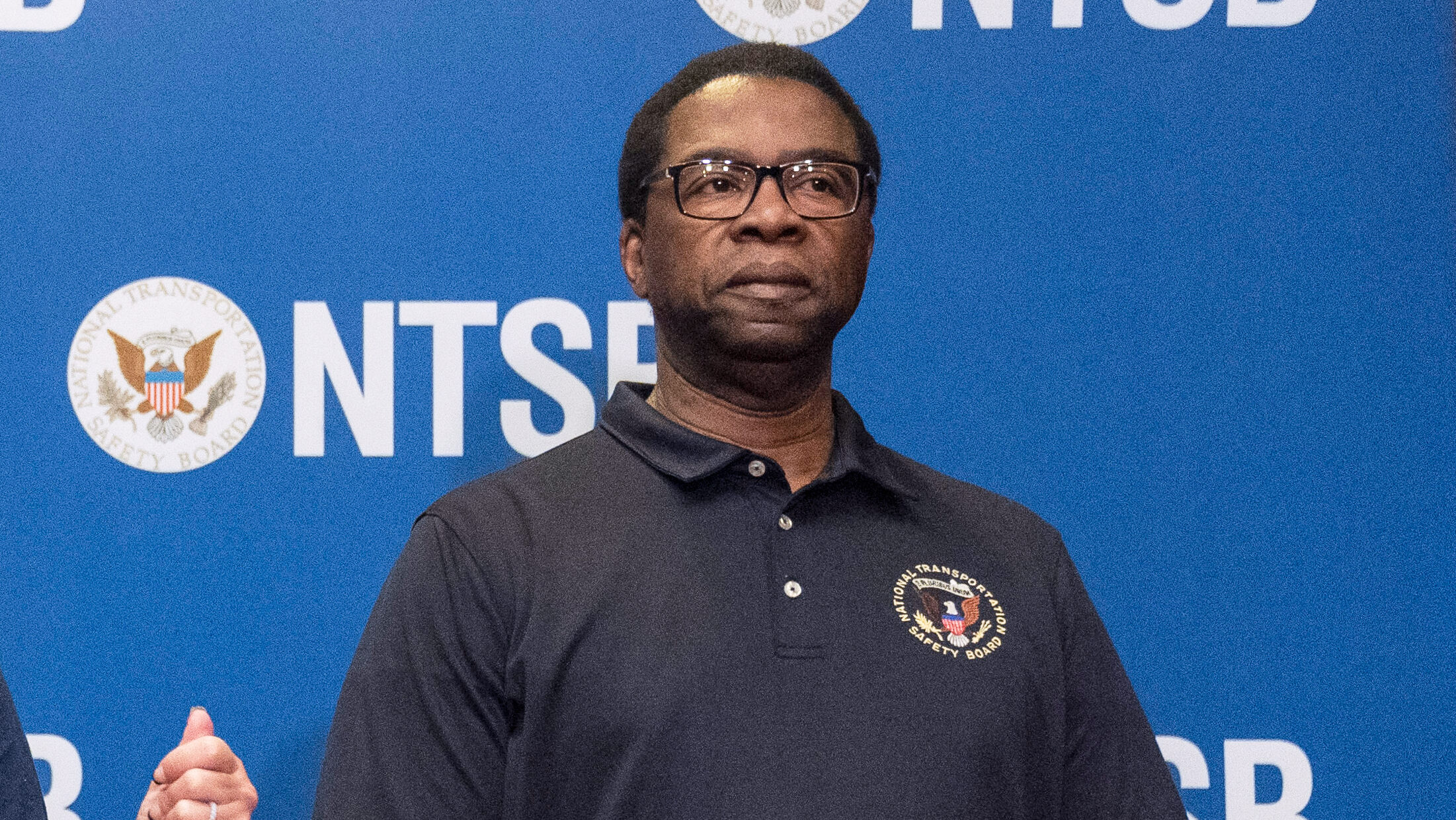
Robert Primus and Alvin Brown were not just board members; they were historically pivotal as the only Black leaders overseeing their respective boards. Primus served on the STB, while Brown was the Vice Chairman of the NTSB. Their firing—Primus in August and Brown in May—has raised eyebrows, particularly given the nature of their roles and the unprecedented nature of such terminations. Before their dismissals, both men had already initiated lawsuits challenging the legality of their firings, claiming that the White House lacked sufficient cause for dismissals, a requirement mandated by law.
Legal Implications and Responses
The legal claims come through Democracy Forward, which filed new discrimination allegations on behalf of both Primus and Brown. Brown has pointed to a troubling trend: “When you look at who has been removed without cause, and who has been left in place, the pattern is impossible to ignore: Black commissioners across the federal government have been summarily fired.” As he contests the legality of his abrupt removal, he emphasizes that it was not only unlawful but also discriminatory.
While the White House has yet to formally respond to these claims, it has previously stated that Trump was within his rights to dismiss Primus and Brown. The administration is currently seeking to have Brown’s lawsuit dismissed by arguing that statutory protections for board members—mandating that they can only be fired for just cause—are unconstitutional.
The Historical Context of the Boards
When Brown was let go from the NTSB—an organization crucial to investigating transportation disasters—experts noted that such firings were virtually unheard of. The NTSB plays a critical role in ensuring safety across various transportation disciplines, and at the time of Brown’s removal, the organization was investigating approximately 1,250 cases.
Following his dismissal, many questions arose about the motives behind these actions. Primus’s termination closely aligned with a controversial multi-billion dollar acquisition proposal from Union Pacific, where he had expressed concerns about competition and corporate mergers. His position as the sole opposing voice raised flags about the agency’s direction and intentions.
Party Dynamics and Disparities
Both Primus and Brown are Democrats, and their firings come amidst broader political dynamics, particularly since federal law stipulates that no more than three members of either board can belong to a single political party. Notably, while both men were dismissed, their white counterparts—such as another Democratic member of the STB—continue to serve without interruption. This inconsistency raises further questions about a discriminatory framework surrounding these dismissals.
Brown’s situation becomes even more alarming when considering that another white member on the NTSB has extended his tenure beyond the expiration of his term, a common practice unless a replacement is confirmed. In stark contrast, Brown found himself dismissed, even as he was slated to serve until 2026.
Trump’s Ongoing Pattern of Dismissals
The firings of Primus and Brown align with a broader trend observed during Trump’s presidency, marked by a significant number of dismissals targeting officials from various independent agencies, including the Federal Reserve, Equal Employment Opportunity Commission, and Nuclear Regulatory Commission. These actions have not only drawn criticism for their apparent dismissal of diversity but have also fueled accusations about a systemic issue in the administration’s approach to governance.
Upcoming Votes and Future Implications
As the Senate Commerce Committee prepares to consider nominations for both men’s replacements, the topic of racial representation in federal positions remains sharply in focus. The outcomes of these impending votes could set precedents for how diversity is valued and upheld within these critical governing bodies.
The lawsuits filed by Primus and Brown are more than just legal documents; they represent a push against perceived injustices and call for accountability in a system that many believe should uphold values of diversity and inclusion. The implications of these events ripple not only through the individuals involved but also across the broader landscape of federal governance.
The situation exemplifies the critical intersection of race, leadership, and law within the United States and sparks urgent conversations about equity, representation, and the consequences of political decisions.