


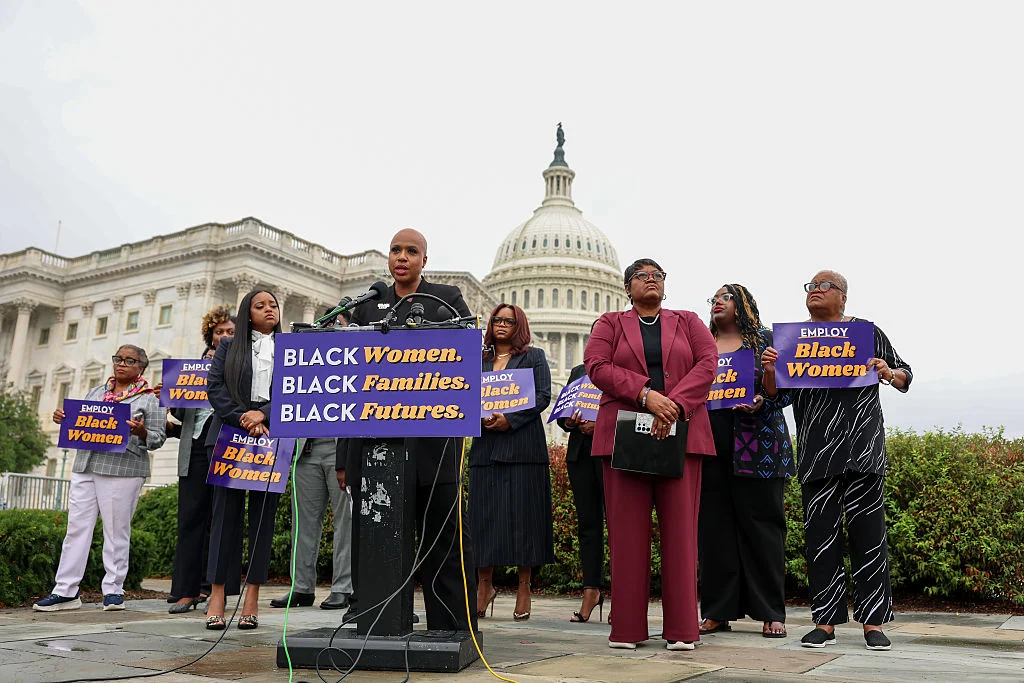
The Professional Challenges Faced by Black Women: A Season of Unease
If you’ve noticed the conversations shifting in group chats or on social media platforms like Threads, you’re not alone. Many Black women are experiencing a peculiar and challenging season in their professional lives. This shift isn’t due to a lack of talent or qualifications; instead, it reflects a broader crisis where opportunities that once felt attainable are increasingly elusive. It’s as if the professional landscape has grown quieter, replies to inquiries have become infrequent, and previously open doors are now closing without explanation.
The Growing Employment Gap
A recent feature by The New York Times sheds light on the declining employment rates among Black women, bringing to the forefront a lived reality that many have faced over the past year. This article articulates a troubling trend: The employment landscape for Black women has plummeted unexpectedly, leading to a search for community and support. In a world where collaboration and networking should be mechanisms for upliftment, it’s vital to recognize the impact of these numbers on the emotional well-being of Black women.
Building Community: The Emergence of Black Women Rising
Among those navigating this tumultuous job market is Nneka Obiekwe, a 37-year-old consultant known for her skills in networking. Once the go-to person for connections and referrals, she found herself overwhelmed by requests as layoffs increased. Recognizing the need for greater support, Obiekwe initiated a WhatsApp group called Black Women Rising, which quickly evolved into a robust community of over 500 mid-career and senior professionals. This space became a refuge for sharing job leads, experiences, and emotional support, illustrating the importance of solidarity in turbulent times.
The Importance of Emotional Support
As the conversations unfolded within the group, they mirrored the emotional states of the members. Messages flowed in with updates ranging from hopeful to despairing. Women shared their job application statuses alongside heartfelt pleas for encouragement. This emphasis on emotional support reflects the reality of a job hunt filled with uncertainty where every notification can significantly impact a person’s morale.
Transitioning and Organizing
The volume of messages and the need for structured conversation led Obiekwe to move the group to Discord. Here, they created organized channels such as “Share Your Good News” and “Vent Among Friends.” This setup was crucial—not merely for exchanging résumés but for maintaining confidence while confronting the harsh realities of an uncertain job market.
The Decline in Opportunities
The features in The New York Times highlight a sobering statistic: the unemployment rate among Black women rose to 7.8%, a significant spike compared to their peers. Recent research from labor economist Valerie Wilson noted that the employment rate for college-educated Black women dropped from 74% in 2024 to 71% in early 2025, while employment levels among other demographics remained relatively stable. This dramatic decline is indicative of a systemic issue rather than a personal failing.
Historical Context
Understanding this season of professional strain requires recognizing the historical shifts that have influenced Black women’s employment. Following the national outcry for racial justice after the killing of George Floyd in 2020, many companies began to acknowledge the potential of Black women in the workforce. Unfortunately, the momentum gained in recent years has been disrupted. Legislative decisions, such as the Supreme Court’s ruling against affirmative action in 2023, and a general retreat from diversity and inclusion commitments have created a chilling effect.
Personal Accounts: The Toll of Layoffs
Ericka Hatfield’s story exemplifies this turbulent period. After being laid off from a vice president position at a nonprofit think tank, Hatfield found herself reconsidering how she presented her identity on job applications. By actively removing identifiers tied to her race, she felt she had a better chance at landing opportunities. Now taking a role far removed from her expertise, she also contributes to the Black Women Rising community by offering résumé feedback, demonstrating how this newfound solidarity manifests in tangible support.
Lingering Questions
As the narrative unfolds, a profound question arises: What happens to a generation of Black women who have followed the prescribed path—earning degrees, perfecting résumés, and climbing the corporate ladder—only to find it pulled away as they reach for it?
Resilience Amidst Uncertainty
In the face of these challenges, Obiekwe captures the collective sentiment perfectly, expressing a yearning for the current season of difficulty to come to an end. Despite the upheaval, Black women continue to exhibit resilience and resourcefulness. They are not only navigating this complex landscape but also actively fostering community and support amidst uncertainty, proving once again the power of collective strength in the face of adversity.