


Rep. Joyce Beatty Suing Trump Over Kennedy Center Renaming: A Deep Dive into the Controversy
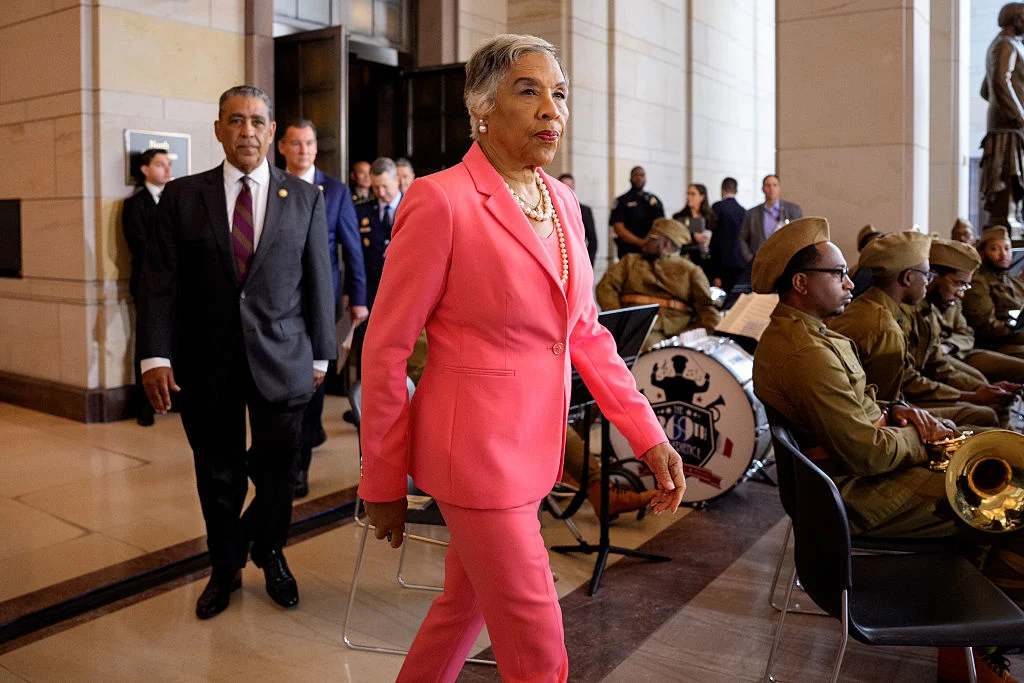
After a tumultuous voting process, Rep. Joyce Beatty (D-OH) has taken a bold step by suing former President Donald Trump and selected members of the Kennedy Center board of trustees over the controversial renaming of the John F. Kennedy Center for the Performing Arts. Beatty’s actions center on a claim that the move is unlawful and a violation of procedural protocol.
The Lawsuit and its Grounds
In a recent filing, Beatty, an ex officio member of the Kennedy Center board, described the renaming as “unlawful” and highlighted that altering the name of such a significant institution requires an act of Congress. She contends that the board members loyal to Trump have committed a “flagrant violation of the rule of law,” which she asserts is deeply troubling for the integrity of our constitutional order. The lawsuit challenges not just the decision itself, but the manner in which it was conducted.
An Aborted Attempt to Voice Dissent
The controversy intensified when Beatty publicly addressed her experience of being “muted” during the vote. She stated that she was present on the call and attempted to express her concerns regarding the renaming. According to her, every time she tried to speak, she was silenced. “Participants who were online were not allowed to voice their concerns,” she said in a video posted on X, reinforcing her belief that the vote was rigged to present a facade of unanimous support.
This claim directly contradicts statements made by White House Press Secretary Karoline Leavitt, who had asserted that the decision to rename the Kennedy Center was agreed upon unanimously by the board. Beatty’s insistence on recounting her experience raises questions about transparency and fairness in the decision-making process.
Official Reactions and Statements
Following the announcement that Trump’s name would be placed prominently on the Kennedy Center itself, the organization’s Vice President of Public Relations, Roma Daravi, echoed the sentiments of the Trump administration, asserting that the renaming demonstrates a bipartisan commitment to the center’s future. Daravi stated, “The new Trump Kennedy Center reflects the unequivocal bipartisan support for America’s cultural center for generations to come.”
Allegations of a Preordained Decision
Beatty’s lawsuit amplifies her assertion that the voting process was a mere formality, describing it as a “thinly-veiled sham.” She argues that the muted dissent during the vote indicates the board had already decided its course of action, rendering the vote inconsequential. Her legal filing highlights this notion, stating, “This was a transparent effort to prevent any disagreement with the Board’s actions.”
The Legal Team and Future Implications
Rep. Beatty is being represented by notable figures, including Norman Eisen, a former White House ethics counsel during the Obama administration, alongside Nathaniel Zelensky from Washington Litigation Group. The lawsuit doesn’t merely contest the name change on principle; it is deeply rooted in concerns about the potential financial implications and reputational damage that could arise from the board’s decision.
Beatty emphasizes that the renaming has already led to protests from artists, with performances being canceled and patrons boycotting ticket sales. The lawsuit projects that this trend is likely to continue, escalating the financial and reputational repercussions for the Kennedy Center.
The Broader Context
This legal battle comes amid a larger conversation about cultural institutions and their alignment with political figures. The debate over the Kennedy Center’s name change reflects a growing disconnect between different factions within American society. The arts community, historically a bastion of liberal sentiment, faces an uncomfortable reckoning as arts organizations navigate the complexities of collaboration and recognition in an increasingly polarized environment.
The lawsuit by Beatty has implications not only for the Kennedy Center but also for how cultural institutions engage with political realities. This case is poised to stir ongoing discussions about governance, accountability, and the preservation of artistic integrity in a politically charged atmosphere.