


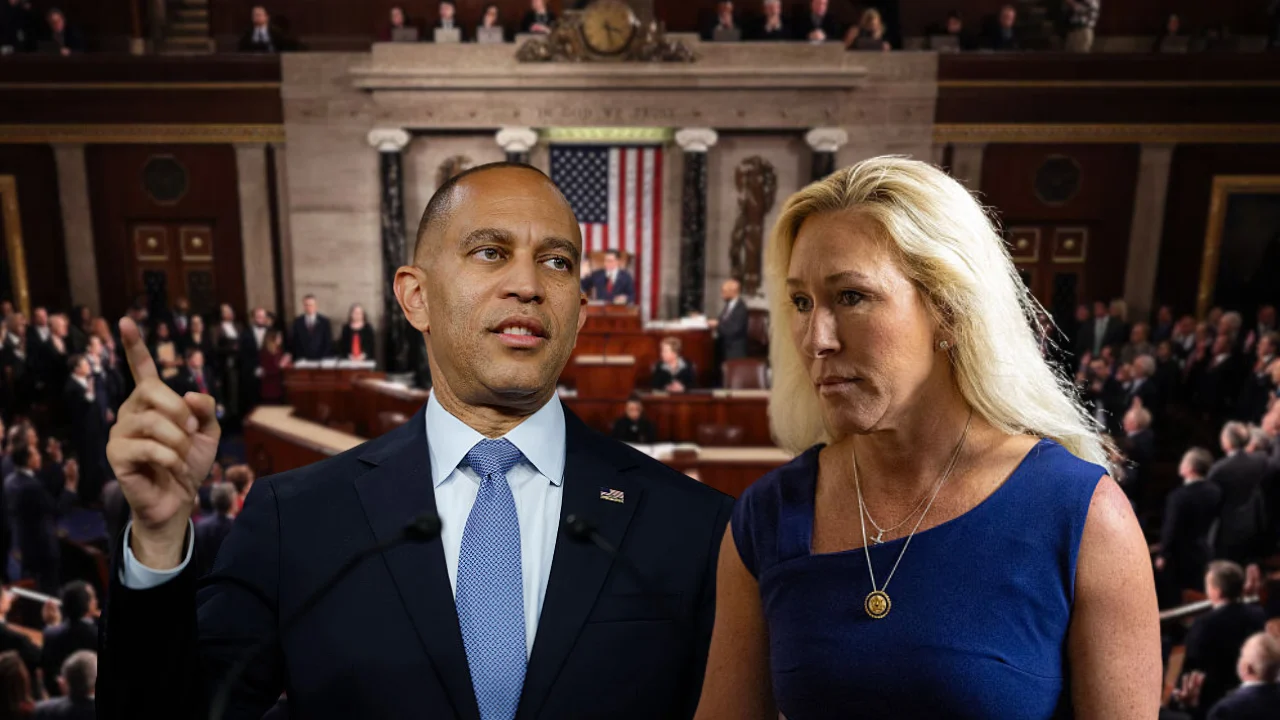
GOP Exodus: The Rippling Effects of Marjorie Taylor Greene’s Resignation
Following the announcement of Rep. Marjorie Taylor Greene’s resignation from the U.S. House of Representatives effective January 5, there’s been a flurry of speculation regarding the future of the Republican Party. This departure, coupled with Greene’s public fallout with the former President Donald Trump, has left many wondering about the implications for the GOP and the potential shift in power dynamics heading into the 2026 midterm elections.
A Shifting Landscape in the House
As it stands, the Republican Party holds a fragile majority in the U.S. House with a count of 219 to 213. With Greene’s resignation, that majority will technically diminish to 218 until a special election can be held in Georgia. This raises alarm bells among party leaders, as further resignations could spell disaster for their legislative ambitions. The potential for multiple departures suggests that discontent is brewing within Republican ranks, which could severely impact their ability to advance legislation aligned with Trump’s “Make America Great Again” agenda.
The Potential for Democratic Gains
Amidst this turmoil, Democrats are eyeing opportunities to expand their foothold in the House. They could gain up to three more seats through special elections in districts across Texas, New Jersey, and Tennessee prior to the midterm elections. Historical trends suggest an advantage for Democrats in these contests, particularly after recent special elections where they outperformed their 2024 margins by an average of 16 points. This trend not only serves as a beacon of hope for Democratic strategists but also complicates the GOP’s path toward maintaining a majority.
A Hypothetical New Majority
The specter of a continued exodus among Republicans could usher in a noticeable shift in power, potentially positioning House Minority Leader Hakeem Jeffries at the helm. If the Democrats manage to reclaim a majority, he would not only lead the House but also make history as the first Black Speaker of the House. This prospect introduces a new layer of urgency for the GOP, as they risk losing control of the legislative agenda.
The Strategic Landscape Ahead
Strategic analysts like Antjuan Seawright emphasize that the political landscape is shaped by perceptions as much as by hard numbers. The current mood within the House seems to indicate a turning tide; many Republican representatives appear to be grappling with their alignment to Trump and his policies. The phrase “jumping ship” inevitably enters the conversation, with indications that Republican representatives may be reconsidering their commitment to a Trump-centric agenda.
Seawright noted, “Republicans are figuring out they’re going to have to get on board or sink very quickly.” This sentiment resonates strongly within party circles, suggesting a growing recognition of the need for a more unified approach, particularly as the electoral clock ticks down.
Jeffries’ Vision for Governance
Should Hakeem Jeffries ascend to the role of Speaker, his leadership could mark a transformative phase in congressional governance. His approach emphasizes a willingness to engage in bipartisan dialogue while focusing on the pressing issues that matter to everyday Americans. Jeffries aims to foster an agenda that prioritizes affordability, addressing topics such as health care costs—issues that resonate deeply with constituents who have often found themselves disillusioned with the current majority’s promises.
Seawright argues that Jeffries stands to differentiate himself as a leader who not only campaigns effectively but also understands the nuances of governance. The capacity to bridge divides and engage across party lines may make him a respected figure on both sides of the aisle.
The Path Forward for Both Parties
As the GOP grapples with internal fractures and the possibility of losing their majority, the stakes are high for both parties. Democrats are gearing up for an approach that aligns with public sentiments, potentially setting the stage for a broader dialogue around national priorities. Jeffries’ leadership could herald a more practical governance model, one that strives to unify rather than polarize.
While challenges abound, particularly for Republicans clinging to a dwindling majority, developments in the coming months could reshape the face of American politics as the nation approaches the 2026 elections. The clock is ticking, and how each party responds will define not just their immediate futures, but their long-term trajectories in a rapidly changing political environment.