


Remembering January 6: Reflections on the Attack and Its Aftermath
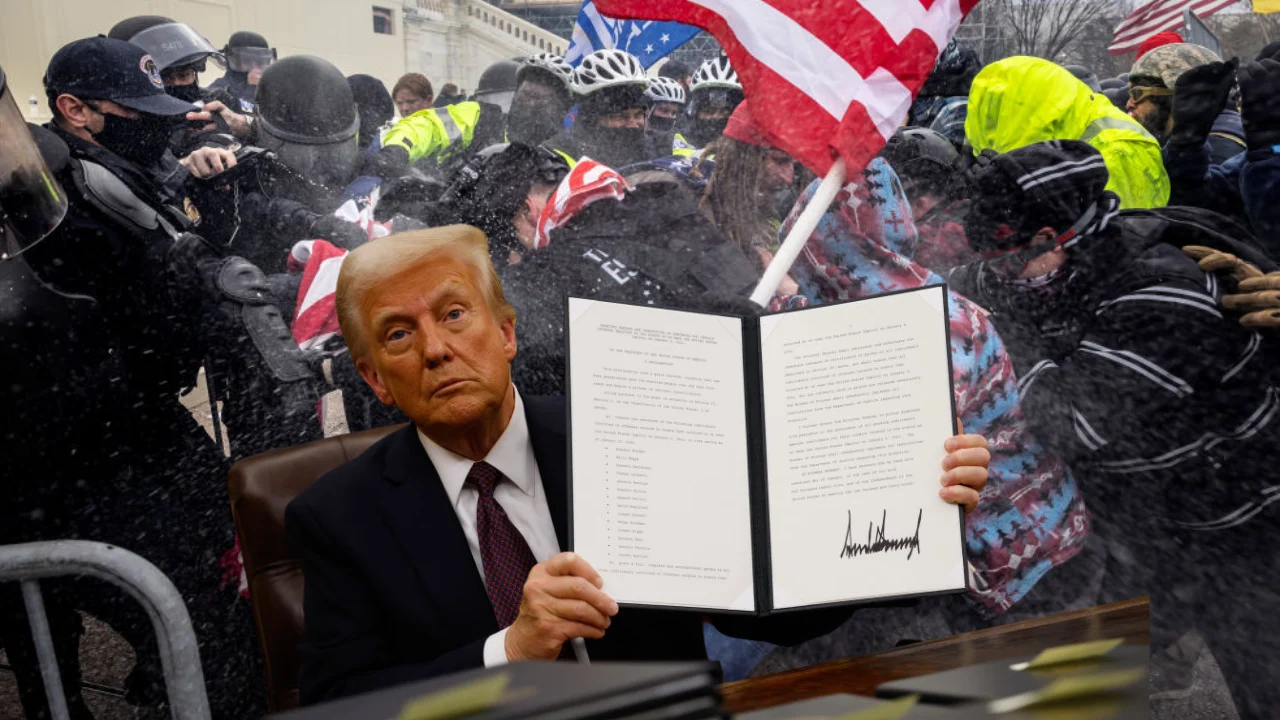
As we mark the five-year anniversary of the January 6, 2021, attack on the U.S. Capitol, voices from across the political spectrum are raising concerns about the attempts to rewrite the narrative surrounding that fateful day. Democrats, former Republican lawmakers, law enforcement officials, and even a former Trump supporter who was part of the mob are coming together to emphasize the gravity of the events and the need for accountability.
Incitement to Violence
U.S. Rep. Hakeem Jeffries, the Democratic leader of the House, articulated a stark view of those events during a special hearing organized by House Democrats. He stated, “A violent mob incited by Donald Trump attacked the Capitol as part of a concerted effort to overturn the results of the 2020 presidential election.” This attack marked a pivotal moment in American history—a direct assault on the peaceful transfer of power that has been a hallmark of U.S. democracy.
The emotional weight of the day is significant. Jeffries pointed out that the mob not only disrupted legislative proceedings but also inflicted serious harm on law enforcement officers, with over 140 officers sustaining injuries during the chaos. This reflection serves as a reminder of the violent nature of the attack, debunking any notions that it was a peaceful demonstration.
Attempts to Rewrite History
Critics have voiced their concerns over efforts to “whitewash” the events of January 6. Jeffries asserted that attempts to rewrite history are being driven by Trump and far-right extremists in Congress—a sentiment echoed by many witnesses during the recent hearing. The narrative that the day was simply a “tourist visit” or a “day of love” has been firmly rejected by those who experienced the violence firsthand.
Former Chairman of the now-defunct U.S. House Select Committee Investigating the January 6th Attack, Rep. Bennie Thompson, reiterated the importance of remembering what actually happened. “January 6 was not a regular tourist visit. It was a bloody riot that pushed our democracy to the breaking point,” he declared.
Witness Voices
Looking to honor the anniversary, Congress facilitated a gathering that included those who were involved in the chaos. Erica P. Loewe, who was present in the Capitol during the attack, emphasized the need for action over mere symbolism. “Marking this anniversary should be about action, not just symbolism,” she asserted, highlighting the necessity for stronger protections for democracy and real accountability for those involved in the insurrection.
Former Trump supporter Pamela Hemphill provided a poignant perspective during her testimony. Having distanced herself from the “MAGA cult,” she expressed remorse for her actions on that day. Her courage to confront the truth—despite facing harassment and threats—underscores the human cost of political extremism. “I can’t sit here while Mr. Trump and others are lying,” she stated, calling for honesty in recounting the events of January 6.
Legal Ramifications and Accountability
As discussions unfold about the lessons learned from January 6, a troubling narrative has emerged regarding the accountability of the rioters. Following Trump’s return to the White House, he issued pardons to nearly 1,600 individuals charged in relation to the Capitol riot. Labeling them as “political prisoners,” the former president’s actions have drawn severe criticism from various quarters.
A report by the Democrats on the U.S. House Committee on the Judiciary revealed a shocking trend: many of these pardoned individuals have since reoffended, engaging in crimes ranging from child sexual assault to armed robbery. “It’s been a Trump-inspired crime spree,” Jeffries remarked, shedding light on the broader implications of the pardons and their impact on public safety.
The Need for Truth
As reflections on January 6 continue to emerge, the emphasis on truth remains paramount. Witnesses and lawmakers alike are committed to ensuring that the real lessons learned from that day are not forgotten or diluted. The drive for accountability, as well as the responsibility to educate the public on the events surrounding the insurrection, remains critical as we look back on a moment that forever altered the course of American democracy.
In a landscape where narratives are contested and the truth is scrutinized, conversations like these serve as a vital reminder of the value of factual recounting and the importance of safeguarding democratic principles for future generations.