


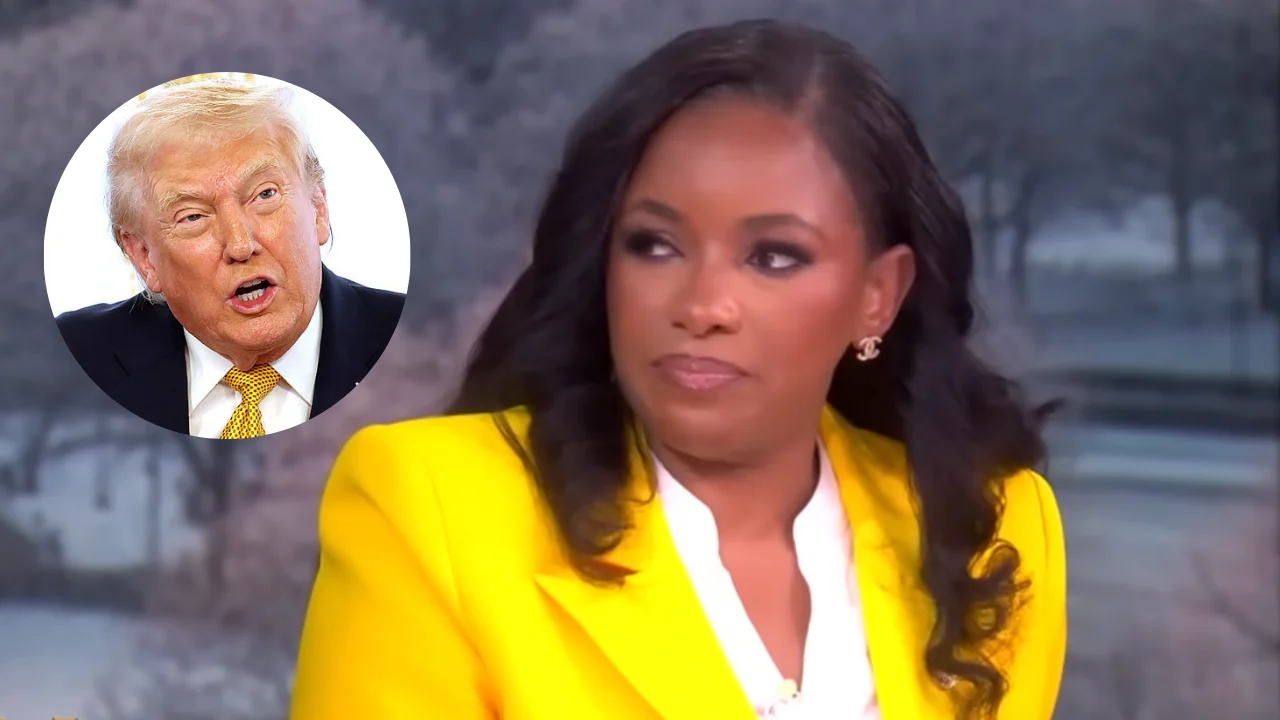
Jasmine Crockett’s Bold Critique of Donald Trump’s Venezuela Actions
In an assertive appearance on ABC’s “The View,” Texas U.S. Senate candidate Jasmine Crockett confronted former President Donald Trump regarding his controversial actions in Venezuela. Her remarks were not just politically charged but also deeply rooted in the humanitarian implications of U.S. foreign policy.
Questioning the Motives
Crockett emphasizes that while many argue Trump’s recent military raid in Venezuela was intended to liberate the Venezuelan people from the authoritarian regime of Nicolás Maduro, she believes the underlying motives are far more self-serving. “He has not cared about Venezuelans at all,” Crockett asserted, dismissing the notion that humanitarian reasons were the driving force behind Trump’s actions.
The Historical Context of Trump’s Policies
Drawing from a lesser-known piece of American legal history, Crockett referenced the Alien Enemies Act of 1798, which Trump invoked against Venezuelans, asserting that he painted them as a national threat. “That was number one,” she stated, underscoring how this historical legislation has been weaponized against Venezuelan immigrants, many of whom are fleeing dire conditions in their home country.
Crockett further elaborated on the implications of this Act, noting that Trump deported Venezuelans to CECOT, a notorious prison in El Salvador, infamous for its deplorable conditions. “Remember the ’60 Minutes’ episode that they did not want to air about? How they were treating them, mistreating them, at CECOT, that’s where he sent Venezuelans,” she emphasized, painting a stark picture of the repercussions of Trump’s immigration policies.
Critique of Military Actions
Crockett did not shy away from tackling the more violent aspects of Trump’s foreign policy, particularly his military strikes on boats in the Caribbean Sea, resulting in tragic loss of life. “It was supposedly about fentanyl,” she remarked, challenging the narrative that linked these military actions to drug trafficking while pointing out that fentanyl does not originate from Venezuela.
Criticizing these operations, she contended that Trump was “illegally killing folk” without any semblance of due process, raising serious ethical questions about U.S. engagement in foreign conflicts.
Drawing Parallels Between Leaders
One of the most striking points of Crockett’s critique was her comparison of Donald Trump to Nicolás Maduro. Both leaders, she argued, exhibit tendencies to consolidate power in ways that undermine democratic principles. “Somebody else was trying to be a Maduro of the United States,” she stated, referencing Trump’s refusal to accept the results of the 2020 presidential election and his alleged involvement in the January 6 Capitol insurrection.
Crockett pointed out that while Maduro has faced international condemnation for his authoritarian rule, the similarities in their approaches to governance raise unsettling questions about democracy in America. “The difference [between Maduro and Trump] is Maduro was successful,” she remarked, suggesting that Trump’s tactics could bear similar consequences if go unchecked.
A Call for Reflection
Crockett’s incisive commentary on Trump’s actions in Venezuela serves as a critical reflection on U.S. foreign policy and its humanitarian impacts. She urges voters and policymakers alike to reconsider the narratives that justify military intervention and deportation, calling attention to the lives affected by such policies. By focusing on the human element, Crockett encourages a more compassionate and nuanced understanding of the complexities surrounding U.S. engagement in Latin America.
In an election season marked by intense scrutiny of candidates’ qualifications, Crockett’s bold and informed stance on these crucial issues positions her as a formidable contender for the Texas U.S. Senate seat. Her challenges to established narratives seek to inspire a more robust and humane approach to foreign policy.