


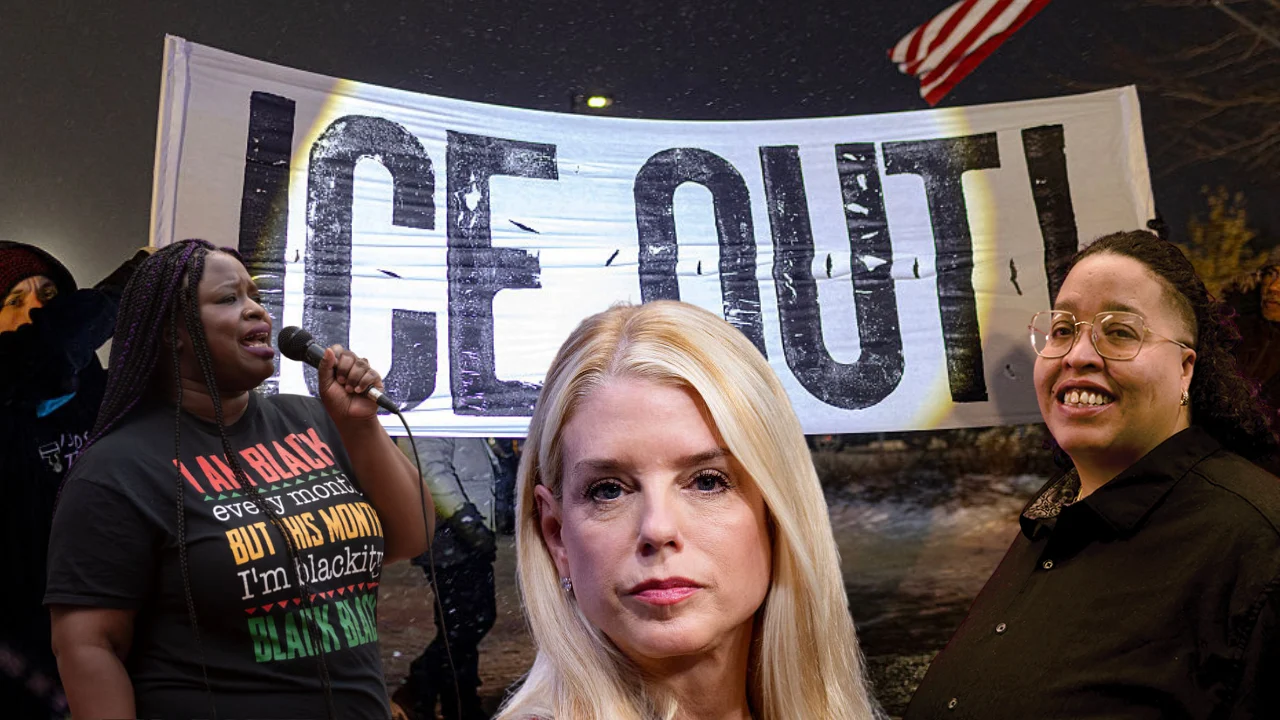
Arrests of Activists in Minneapolis Spark Outrage and Debate
In a significant development in the ongoing struggle for civil rights and immigrant justice, the FBI has arrested two prominent Black women activists in connection with a protest against Immigration and Customs Enforcement (ICE) that occurred in Minneapolis. The arrests, which have been met with prompts of outrage and calls for justice, are raising questions about the federal government’s approach to activism and law enforcement.
The Arrest and the Protests
Nekima Levy Armstrong, a civil rights attorney and former president of the Minneapolis NAACP, alongside Chauntyll Allen, a member of the St. Paul Board of Education, were arrested following a demonstration held at Cities Church in St. Paul on January 18, 2026. The protest targeted the church’s pastor, who is alleged to hold a position as an ICE field director. Protesters gathered peacefully to voice their dissenting opinions, chanting “Justice for Renee Good” and “ICE out” in response to systemic issues surrounding immigration enforcement.
The demonstration escalated after the shooting of local resident Renee Good by an ICE agent on January 7, creating a backdrop of community grief and anger. This event served as a catalyst for protests, marking a turning point in community response to perceived injustices.
Mayor’s Reaction
Minneapolis Mayor Jacob Frey publicly expressed his discontent with the arrests, describing them as a “gross abuse of power.” He characterized the federal government’s decision to go after peaceful protesters while neglecting to investigate the circumstances surrounding Good’s shooting as deeply flawed. Frey’s call for the immediate release of Armstrong echoes the sentiments of many community activists who feel that their right to protest is under threat.
The Mayor’s remarks highlight a growing concern regarding the federal government’s selective enforcement of the law, particularly in communities of color. The community is asking: why are activists being arrested for protesting while those responsible for violence against the community remain uninvestigated?
Perspective from the Department of Justice
On the other hand, U.S. Attorney General Pam Bondi announced the arrests on social media, reaffirming the stance that such demonstrations disrupt sacred spaces and should not be tolerated. Bondi emphasized the government’s commitment to protecting places of worship, framing the arrests as a necessary action against lawbreaking protesters.
However, the legal basis for the arrests remains unclear, as the U.S. Department of Justice has not publicly clarified the specific charges against Armstrong and Allen. The vagueness of the charges further complicates the narrative and raises concerns about the motivations behind the federal response.
Voices of Dissension
Amidst the upheaval, civil rights leaders and activists have come forward to condemn the actions of the Department of Justice. Janai Nelson, president of the NAACP Legal Defense Fund, criticized the government for what she describes as “harassment of protesters and journalists.” These targeted arrests are seen not just as personal attacks but as broader threats to the right to protest — a fundamental element of democracy.
In a striking development, journalist Don Lemon found himself at the center of the controversy as the DOJ sought charges against him for covering the protests. A judge subsequently rejected the request for an arrest warrant, embodying the ongoing clash between federal enforcement and journalistic freedoms.
Armstrong’s Defense
In a candid interview, Nekima Levy Armstrong defended her actions during the protest, contending that the demonstration was entirely peaceful. She refuted claims that the protesters disrupted the church service, explaining that they participated in the service until challenges were raised about the pastor’s dual identity.
Armstrong articulated her frustrations with the government’s double standards when it comes to investigations, posing a critical question: Why are they investigating activists while ignoring the alleged crimes committed by ICE agents? This sentiment reflects a broader questioning of accountability and transparency within law enforcement and governmental actions.
Community Impact
The protests in Minneapolis are not isolated incidents; they reflect a larger movement across the United States where communities are rising against federal enforcement actions. Over the past weeks, protesters have taken to the streets to voice their opposition to the Trump administration’s actions, particularly a significant increase in federal agents deployed to apprehend undocumented immigrants.
Grassroots movements continue to grow as communities seek justice for vulnerable populations targeted by harsh immigration policies. The arrests of Armstrong and Allen have amplified local and national discussions on the rights to protest and the essential conversations around justice and equity in immigrant communities.
The current events in Minneapolis are emblematic of the ongoing struggles many communities face when pitted against perceived state overreach. As the narrative unfolds, public discourse will continue to center on these issues, impacting how communities address systemic injustices and demanding accountability from the institutions meant to serve them.