


The Events Surrounding Don Lemon’s Reporting in Minneapolis
A Veteran Journalist Takes a Stand
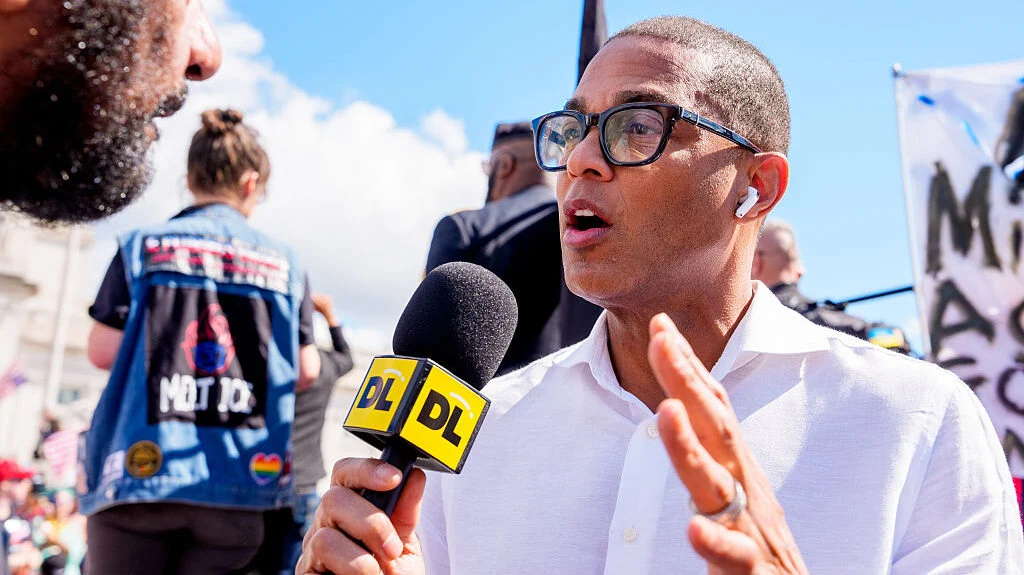
Don Lemon, a prominent journalist known for his incisive reporting, recently found himself at the center of a heated controversy involving the Trump administration. Lemon’s live coverage from inside the Cities Church in Minneapolis during a protest against ICE (Immigration and Customs Enforcement) has ignited discussions regarding press freedom, governmental overreach, and the rights of protesters.
The Protest Against ICE
On January 18, 2026, peaceful demonstrators congregated at the Cities Church to voice their concerns over Pastor David Easterwood, accused of having ties to ICE as a field director. These protests took place in the context of heightened immigration enforcement activities in Minnesota, which tragically followed the fatal shooting of 37-year-old mother Renée Good by ICE agents. The protest aimed to shine a light on these actions and the impact they have on Black and Brown immigrant communities.
Lemon’s Role as a Journalist
His entry into the church was not merely to incite conflict; it was his longstanding role as a reporter to cover newsworthy events. Lemon, an Emmy Award-winning journalist with over 30 years of experience, has consistently engaged in coverage that protects and promotes the First Amendment rights of individuals. His presence at the protest thus represented not just a journalistic endeavor, but an affirmation of his commitment to reporting on pressing social issues.
The Controversy Unfolds
However, things took a serious turn when the U.S. Department of Justice attempted to file criminal charges against Lemon. Prosecutors alleged potential violations of the Face Act, which prohibits intimidating or obstructing individuals seeking reproductive health services or attending religious services. This accusation raised eyebrows, drawing criticism from numerous free press advocates who viewed it as a blatant attempt to intimidate Lemon for doing his job.
Judicial Rejection of Charges
In a significant pushback, a federal magistrate judge declined to approve the DOJ’s complaint against Lemon. His attorney, Abbe Lowell, emphasized that the magistrate’s decision affirmed Lemon’s right to perform his First Amendment-protected work. Lowell stated, “It was no different than what he has done for more than 30 years,” highlighting that Lemon’s actions aligned with established journalistic practices.
President Trump’s Response
The situation escalated further when President Trump commented on Lemon’s reporting during a White House press conference. He accused Lemon of being disruptive, labeling him a “loser” and criticizing his appearance at the church. This public denouncement underscored the broader conflict between the Trump administration and members of the media, often targeting journalists who challenge government narratives.
Continued Legal Challenges
Though the initial attempt to criminalize Lemon’s journalism failed, the DOJ indicated it might pursue further legal avenues. The specifics of these potential charges remain vague, prompting concern from press freedom advocates. Lemon’s attorney signaled a readiness to confront any continued attempts to silence him, stating they would fight vigorously against such actions in court.
Arrests of Activists and Reactions
In addition to targeting Lemon, the Trump administration took measures against activists who participated in the church protest. Several arrests were made, including high-profile figures like civil rights attorney Nekima Levy Armstrong and St. Paul Public Schools board member Chauntyll Allen. Minneapolis Mayor Jacob Frey condemned these actions as a “gross abuse of power,” demanding the immediate release of the arrested individuals.
The Broader Implications
These developments reflect a troubling landscape for journalists and activists alike, touching on themes of press freedom, civil disobedience, and the necessary checks and balances in a democratic society. As the situation unfolds, the implications for both Lemon and the broader fight for First Amendment rights will likely remain focal points of public interest and discussion.