


The city of Evanston, Illinois, made history six years ago by launching a pioneering reparations initiative aimed at addressing the long-standing injustices faced by the African American community. This initiative set the stage for a nationwide conversation about reparations, and on December 4, key city leaders and prominent national partners will gather for a significant event: the National Reparations Town Hall. This gathering not only celebrates progress but also seeks to provide guidance to other communities eager to explore similar reparative measures.
The National Reparations Town Hall will take place at 7:30 p.m. and will be livestreamed from the Historic Second Baptist Church. This venue, rich in historical significance, embodies the intersection of faith and community engagement, making it a fitting backdrop for discussions on such a vital topic. The town hall is part of the fifth annual Symposium on State and Local Reparations, underscoring the growing momentum behind this movement across the nation.
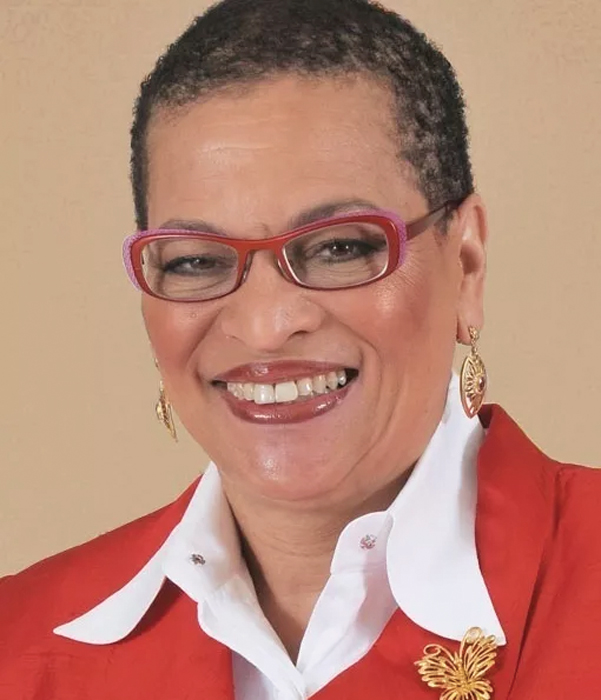
Attendees can look forward to a series of engaging discussions featuring influential panelists. Among them is Julianne Malveaux, a noted political economist and the president emeritus of Bennett College for Women, whose insights into economic justice and equity will add depth to the conversation. Another key figure is Michael Nabors, senior pastor at Second Baptist Church, whose leadership roles within both the church and the community provide a unique perspective on the moral imperatives driving reparations. Additionally, Lionel Jean-Baptiste, a judge of the Circuit Court of Cook County, will share insights on the legal frameworks pertaining to reparative justice, making for a well-rounded panel.
The upcoming town hall is backed by a robust coalition of organizations committed to advancing the cause of reparations. Among the sponsors are the City of Evanston and the Reparations Stakeholders Authority of Evanston, which have been instrumental in the formation and execution of local reparative initiatives. These organizations are joined by the National African American Reparations Commission and FirstRepair, both of which play pivotal roles in advocating for systemic changes that can pave the way for reparative justice.
The National African American Reparations Commission is particularly noteworthy, as it serves as a collective of scholars and leaders from various sectors, including civil rights, faith, labor, and business. Their goal is clear: to promote a comprehensive understanding of reparations for African Americans. Their 10-Point Reparations Plan lays out a framework designed to address the historical and ongoing impacts of slavery and systemic racism, offering practical solutions for communities seeking to make amends.
For those who wish to engage in this important dialogue, the town hall will be accessible online via reparationscomm.org. This digital platform allows individuals from various backgrounds and locations to participate in discussing reparations, emphasizing the relevance of this issue at both local and national levels.