


Unearthing African American History in the Chesapeake Bay Region
An exciting new project has unveiled dozens of historically significant sites related to African American history across the Chesapeake Bay region. This initiative emphasizes not only the richness of African American contributions but also the urgent need for preservation before these sites fade into obscurity.
The Chesapeake Mapping Initiative
Funded by a $400,000 grant, the Chesapeake Mapping Initiative is a collaborative project involving state preservation offices, the National Park Service’s Chesapeake Gateways Network, and the National Trust for Historic Preservation. Over five years, the initiative sought to document places that are pivotal to Black history and culture, emphasizing locations tied to influential African Americans and momentous events.
“Even just finding one more historic site that we didn’t know about before was a win,” stated Lawana Holland-More, a critical figure in the initiative. This sentiment highlights the collective effort to safeguard the tangible pieces of African American history that contribute to the broader American narrative.
The Importance of Documentation
One of the challenges faced was the time-sensitive nature of historical documentation. Researchers often realized they were a few crucial years too late, discovering that some sites had been demolished and voices of living witnesses had been lost. Through their findings, Holland-Moore expressed hope that the initiative would lead communities to better protect these culturally significant sites.
The effort was concentrated in three states—Maryland, Pennsylvania, and Virginia—focusing on specific geographic areas due to budgetary constraints. The project identified numerous sites across these states, shedding light on the deep connections between African American history and the region’s waterways.
Significant Sites
Here, we delve into a selection of sites illuminated by the Chesapeake Mapping Initiative, each steeped in its narrative and significance.
Kings Landing Park, Maryland
Located along the serene Patuxent River, Kings Landing Park in Calvert County has transitioned into a vibrant recreational area. Here, visitors can engage in fishing, hiking, and horseback riding. However, its historical importance stems from its past as Camp Mohawk, a summer camp for Black youths from 1946 to 1980.
The camp, established by the YMCA, offered havens for recreational activities during a time when segregation limited opportunities for African Americans. Visitors can still glimpse the camp’s history through seven restored cabins, complete with camper graffiti from days gone by.
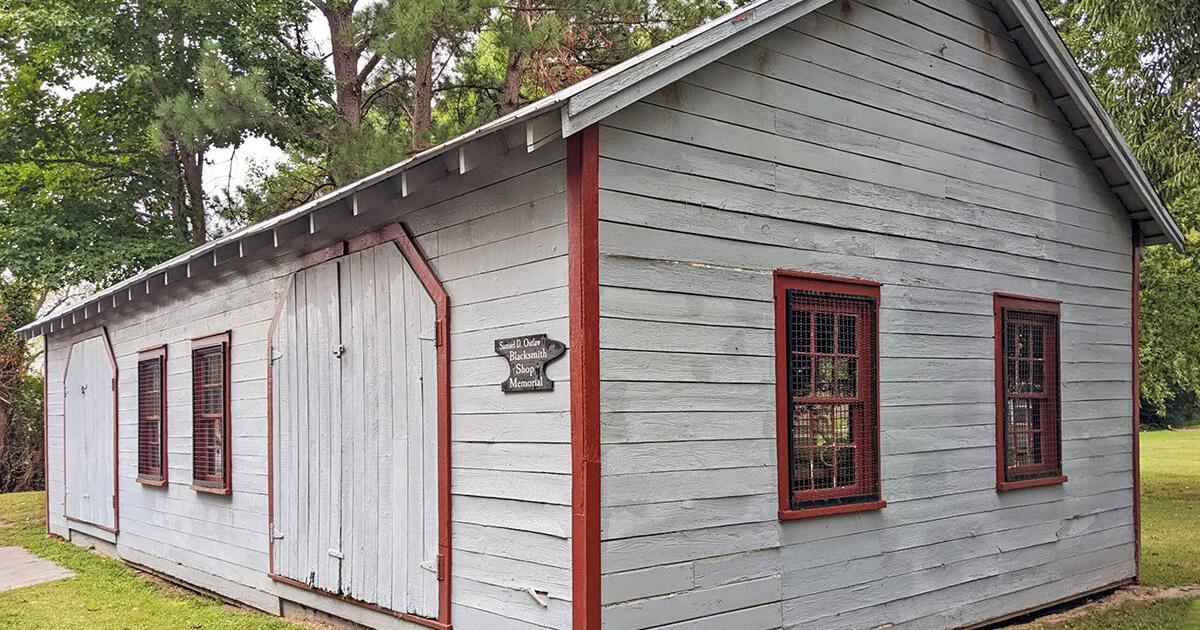
Outlaw Blacksmith Shop, Virginia
In Onancock, VA, the Outlaw Blacksmith Shop is a striking testament to local craftsmanship and community service. Established by Samuel D. Outlaw in 1927, the shop provided essential metalworking services for farmers and watermen, becoming an anchor of the local economy.
Unlike many blacksmiths of his time, Outlaw received formal training at the Hampton Normal and Agricultural Institute. His shop has now gained recognition, added to the National Register of Historic Places in 2023. The site serves as a museum and is open to visitors, showcasing the contributions of African American-owned industrial sites.
Seagull Beach, Maryland
Seagull Beach, positioned along the Patuxent River, holds a unique spot in the hearts of many African American families. Advertised in 1956 as catering to a “discriminating audience,” the beach once thrived as a vibrant social hub during the era of segregation.
Attracting families, church groups, and artists, Seagull Beach featured swimming, dancing, and performances from notable artists like James Brown. Although much of the area has turned into suburban housing, the Hallowing Point Boat Ramp and Beach nearby still provide access, keeping the spirit of community alive.
McAllister’s Mill, Pennsylvania
Tucked away near Gettysburg, McAllister’s Mill is etched in history as a sanctuary for those escaping the bonds of slavery. The site served as a crucial stop on the Underground Railroad, offering shelter and hope to freedom seekers. Although only ruins remain of the original mill, it is memorialized with a historical marker, providing a glimpse into its pivotal role in the 19th century.
Guided tours sometimes take place through the Historic Gettysburg Adams County Preservation Society, where those interested can explore how the mill shaped regional history.
Mifflin House, Pennsylvania
The Mifflin House in York County, PA, is not only a significant stop on the Underground Railroad but also a site of Civil War history. Once threatened by development, preservation efforts secured the site not only for its rich legacy but also for its potential as a visitor center for the Susquehanna National Heritage Area.
The farm, where freedom seekers found refuge, also became the backdrop for skirmishes involving Union soldiers shortly before the Battle of Gettysburg. This multifaceted history enriches its narrative and emphasizes the importance of protecting such sites.
Connecting the Past and Present
The Chesapeake Mapping Initiative serves as a powerful reminder of the deep and often overlooked connections between African American history and the Chesapeake Bay region. Through focused research and preservation efforts, it unearths the stories ingrained in these landscapes, connecting present generations with their rich cultural legacy.