


The Capturing of Nicolás Maduro: A Turning Point in U.S.-Venezuela Relations
On January 3, 2026, President Donald Trump announced a surprising military operation that led to the capture of Venezuelan President Nicolás Maduro and his wife, Cilia Flores. Both leaders are facing serious U.S. charges linked to cocaine trafficking, outlined in newly unsealed indictments. This bold move marked a significant escalation in U.S. military involvement in Venezuela and raised eyebrows across the globe, igniting discussions about legality, ethics, and implications for the region.
Trump’s Announcement at Mar-a-Lago
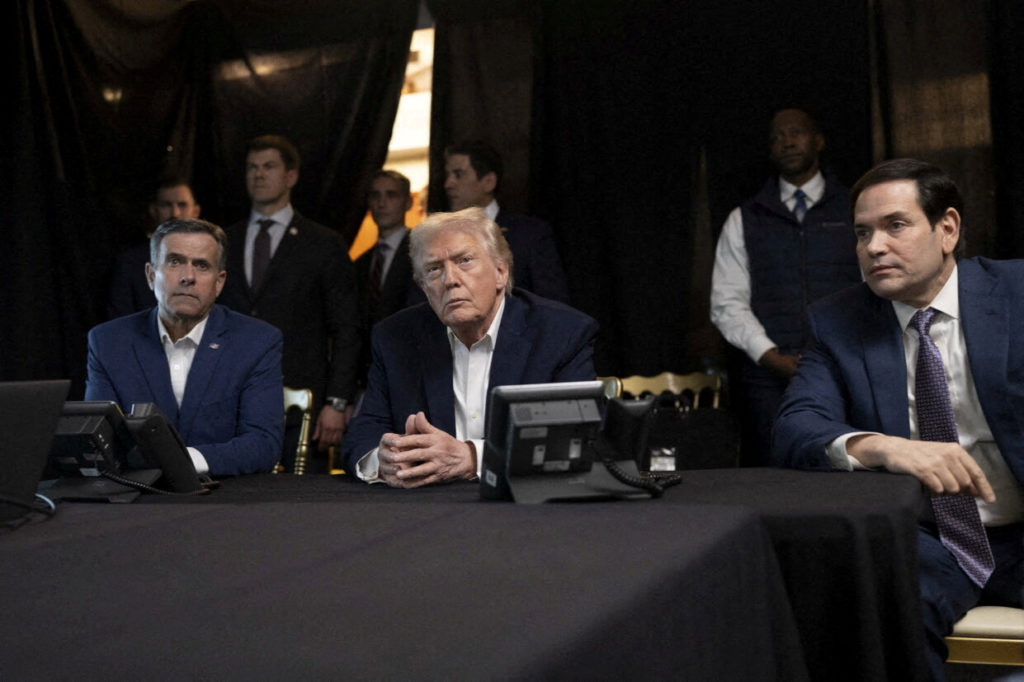
In a press conference held at his Mar-a-Lago estate, Trump declared that the U.S. would take control of Venezuela until a safe and proper transition could occur. He mentioned that Venezuelan Vice President Delcy Rodríguez would be sworn in as interim president, claiming she was willing to cooperate with U.S. interests. However, Rodríguez publicly condemned the military action, labeling it “brutal aggression” and demanding Maduro’s release, showing a stark divide between the U.S. administration’s narrative and the on-ground reality.
Maduro’s Legacy: A Contextual Overview
Nicolás Maduro has been at the helm of Venezuela since 2013, succeeding Hugo Chávez. Maduro’s regime has been characterized by authoritarianism, economic decline, and widespread human rights violations. Tensions between the U.S. and Venezuela peaked under both Chávez and Maduro, inflamed by disagreements over foreign policy, oil, and human rights issues. Most recently, Maduro declared victory in a controversial election in July 2024, which international observers described as fraudulent.
Criticism from Congress
Trump’s military engagement raised serious legal questions. During the Mar-a-Lago press event, he and Secretary of State Marco Rubio asserted that informing Congress prior to the operation could risk the mission’s success. This sentiment has drawn criticism from Democratic lawmakers who argue that such unilateral actions jeopardize American servicemembers and violate established protocols that require congressional notification for military actions.
Senators expressed frustration that congressional leaders had not been apprised of the operation. The War Powers Resolution of 1973 mandates that a president must notify Congress within 48 hours of introducing U.S. military forces into hostilities, adding to the controversy surrounding this operation.
The Claim of Saving Lives Through Military Strikes
In his statements, Trump conveyed that U.S. strikes against drug-laden vessels off the Venezuelan coast have saved countless lives, asserting that each strike could prevent 25,000 deaths. Experts quickly dismantled this claim, emphasizing that Venezuela plays a minor role in narcotics trafficking and pointing out that the administration has failed to substantiate the significance of the confiscated drugs.
Statistics reveal that, between May 2024 and April 2025, the U.S. recorded around 73,000 drug overdose deaths. Stating that actions against 32 boats could have prevented 800,000 deaths emerged as a substantial overestimation, raising serious questions about the administration’s credibility.
Evaluating Claims about Gangs and Violence
Trump also alleged that Maduro had unleashed violent gangs like Tren de Aragua onto American streets. However, this claim has not been substantiated by credible evidence. The U.S. Justice Department’s indictment does not support such assertions, revealing a glaring disconnect between the administration’s rhetoric and concrete intelligence assessments.
The Historical Context of Oil Relations
Trump has often claimed that Venezuela “stole” oil from the U.S., but this assertion requires nuance. In the 20th century, foreign companies dominated Venezuela’s oil resources until nationalization occurred in 1975 amid calls for greater control over the country’s wealth. Economic experts clarify that claims of theft are exaggerated; the U.S. historically had substantial stakes in Venezuelan oil and benefitted from its relatively cheap prices.
The Broader Implications
The operation in Venezuela has invoked strong counter-responses and opened dialogue about U.S. military interventions. With the backdrop of international law and ethical considerations, Trump’s actions reflect broader questions about the role of the U.S. in foreign governance. Analysts continue to debate the legality and morality of military actions that aim to effect regime change, historically contentious issues that influence U.S. foreign policy.
The situation remains fluid, with potential ramifications not just for Venezuela but for U.S.-Latin American relations as a whole.