


The Rise of AI in Praise and Worship Music: A New Frontier?
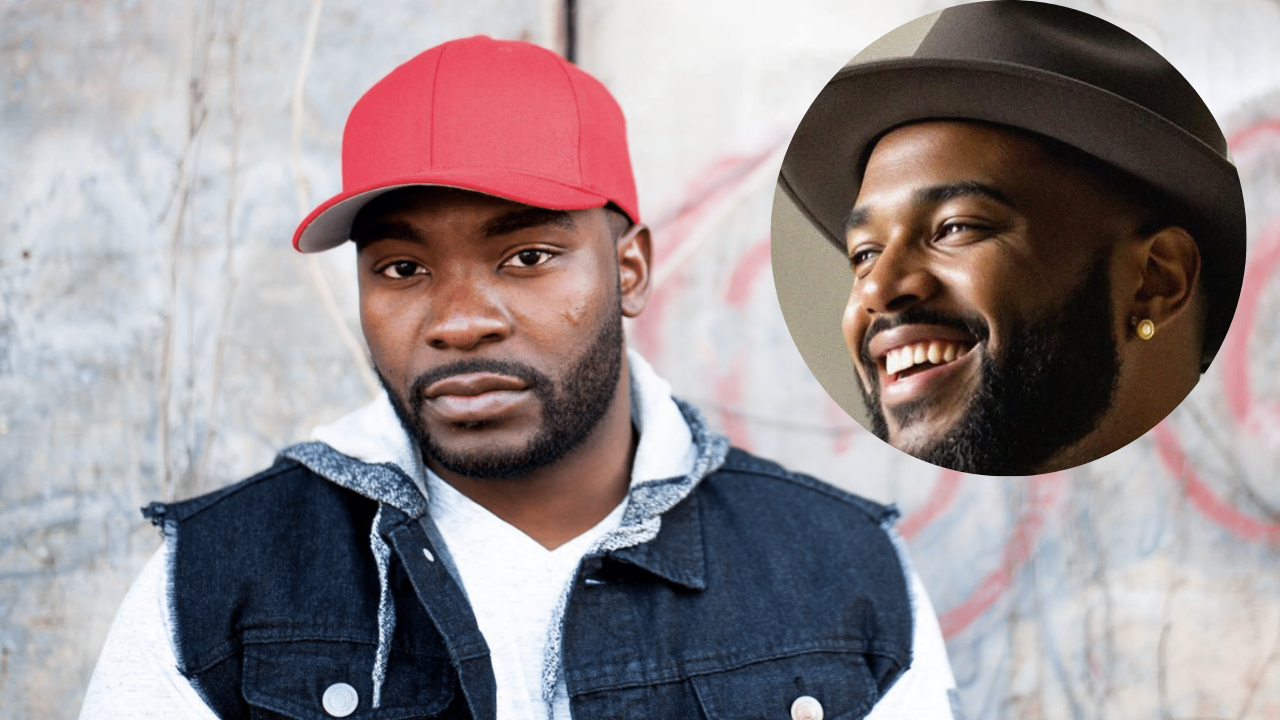
As music fans dive into their spiritual playlists, discovering what they believe to be their new go-to praise and worship song, imagine their surprise when they learn that this uplifting anthem was crafted by an AI artist. This is precisely the reality that many gospel enthusiasts are grappling with today, as Solomon Ray, an AI-generated act based in Mississippi, takes the Christian music scene by storm, currently holding both the top two slots on the iTunes Christian Music chart.
The Breakthrough of Solomon Ray
Solomon Ray stands out as a groundbreaking figure in contemporary Christian music. For the first time, an AI artist has achieved both the No. 1 album and song on any iTunes chart. Beyond this impressive feat, Ray’s songs also occupy the No. 1 and No. 5 positions on Billboard’s Gospel Digital Sales chart, igniting discussions about the potential future of AI-generated music and its legitimacy in the spiritual realm.
The Role of the Holy Spirit in Music
However, as Solomon Ray’s popularity grows, so does skepticism from certain corners of the Christian music community. Christian artist Forrest Frank recently expressed his discomfort with attending to music that lacks a human soul, stating, “At minimum, AI does not have the Holy Spirit inside of it. So I think that’s really weird to be opening up your spirit to something that has no spirit.” This sentiment resonates deeply within a community that typically associates worship music not just with sound, but with divine inspiration.
A Divided Response
His remarks prompted a wave of agreement, with some fans pledging to no longer support AI-generated music. Dissent soon followed, as Christopher Jermaine Townsend—who operates Solomon Ray—defended his work vehemently on social media. He argued, “It’s really more of a preference,” pushing back against the notion that an AI artist’s music lacks sincerity. Townsend identifies himself not just as an AI creator but as a human artist sharing his creativity in a new format.
The Gatekeeper Debate
In his rebuttal to Frank, Townsend labeled him a “gatekeeper” in the industry, underscoring that emotional impact and authenticity aren’t decided by whether the creator is human or machine. This debate raises profound questions about the emotional and spiritual authenticity of music created by AI, and whether such works can connect with the listener on a meaningful level.
A Broader Context: AI in Music
Ray isn’t the only AI artist navigating this complex landscape. Xania Monet, another AI-generated musician, holds the No. 3 spot on the Hot Gospel Songs chart with her song “Let Go, Let God.” Monet, like Ray, has drawn criticism from prominent figures in music, including Victoria Monét and Kehlani, who apprehensively share their views about AI’s role in their craft.
Telisha “Nikki” Jones, the creative mind behind Xania Monet, matched Townsend’s defense of AI, arguing that we’re simply adapting to a new technological era. In an interview with Gayle King, she stated, “I just feel like AI … it’s the new era that we’re in. And I look at it as a tool, as an instrument, and utilize it.”
The Impact on Spiritual Communities
As Solomon Ray and Xania Monet carve their niches in the Christian music scene, they also hinge on a larger question facing spiritual communities: What does it mean to worship through music created by artificial intelligence? Can an AI truly convey the complex emotions and spiritual messages that human artists strive to deliver?
Looking Ahead
The emergence of AI in music reflects a broader cultural shift, pushing boundaries and presenting new challenges and opportunities for creativity, faith, and emotional connection. As traditional structures begin to ebb, this evolution will undoubtedly spark further debate, defining the landscape of worship music for generations to come.
In this ongoing dialogue, fans, artists, and spiritual leaders will be challenged to redefine their understanding of authenticity, inspiration, and the sacred in music. For now, the rise of Solomon Ray and his AI counterparts serves as a compelling case study of how technology and art can coexist—asking not only what it means to create but also, what it means to believe.