


Unprecedented Tensions: Jerome Powell and the Federal Reserve Under Scrutiny
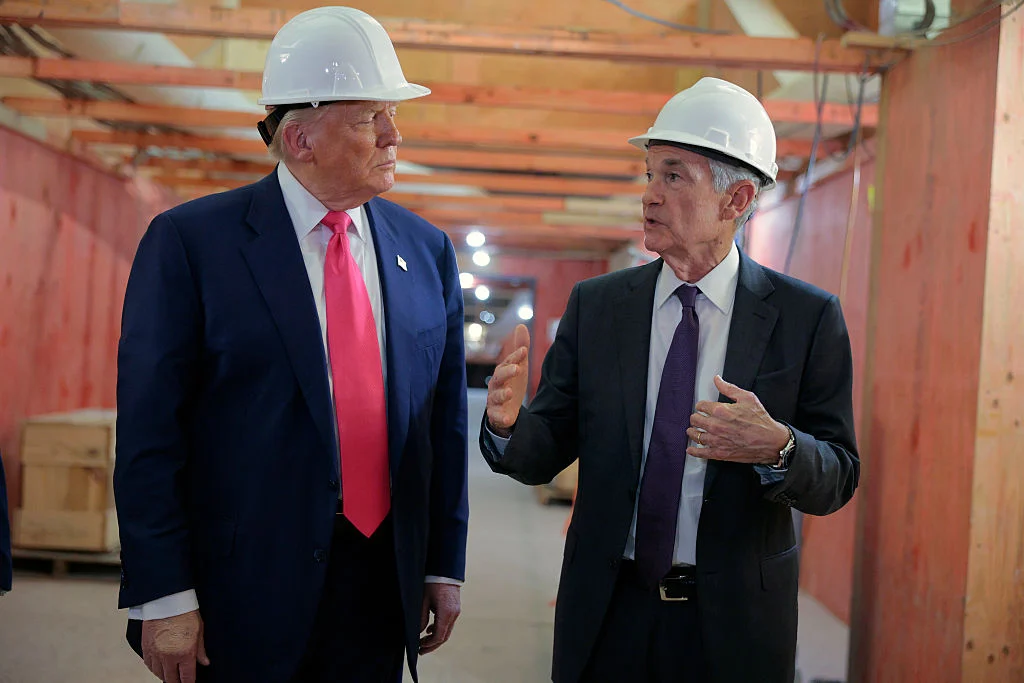
Federal Reserve Chair Jerome Powell recently revealed that the Department of Justice has issued subpoenas to the central bank, raising the specter of a potential criminal indictment. This situation emerges from Powell’s testimony to the Senate Banking Committee earlier this summer, where he discussed the Federal Reserve’s controversial $2.5 billion renovation of its two office buildings. The renovation has been described by President Donald Trump as extravagant, setting the stage for a clash over the Fed’s operations.
The Nature of the Subpoenas
These subpoenas are tied to Powell’s June testimony, during which he defended the renovation project. Critics, including Trump, have characterized the undertaking as wasteful and unnecessary, citing features like rooftop terraces and bespoke elevators. Powell, however, rejected these assertions, maintaining that the renovations were both prudent and essential. The tension created by this situation underlines a broader conflict between the Fed’s need for independence in monetary policy and the administration’s ongoing demands for intervention.
Trump’s Uncharted Waters
The significance of the subpoenas cannot be overstated; they mark an unprecedented escalation in Trump’s ongoing conflict with the Fed. For years, Trump has publicly criticized the institution for its reluctance to make aggressive interest rate cuts, which he believes are vital for stimulating economic growth. The latest development suggests that the administraion’s pressure could extend beyond mere rhetoric to legal intimidation, raising questions about the Fed’s capacity to operate independently from political influences.
Powell’s Stance: A Defiant Response
In a recent video statement, Powell took a more assertive stance than he has in the past, labeling the threat of criminal charges as merely “pretexts” intended to undermine the Fed’s autonomy. He stated, “This is about whether the Fed will be able to continue to set interest rates based on evidence and economic conditions — or whether instead monetary policy will be directed by political pressure or intimidation.” This marked a significant shift from the Fed’s previously restrained approach to Trump’s criticisms.
Market Reactions and Investor Sentiment
The renewed conflict is expected to have immediate consequences for financial markets. Analysts anticipate that the U.S. dollar, bonds, and stocks could experience a sharp decline in Monday trading, reminiscent of a past market sell-off triggered by uncertainties surrounding U.S.-China trade relations. Krishna Guha, an analyst at Evercore ISI, indicated that this situation would likely lead to volatile market conditions, echoing sentiments of fear regarding the Fed’s compromised independence.
Trump’s Denial of Intentions
In the wake of these developments, Trump has claimed ignorance regarding the DOJ’s investigation into Powell. When asked if the investigation is meant to pressure Powell regarding interest rates, Trump stated, “No. I wouldn’t even think of doing it that way.” This denial adds another layer of complexity to the narrative, casting doubt on the administration’s motivations and intentions.
The Question of Fed Appointments
As Powell’s term is set to expire in May, speculations about his potential replacement have surfaced. Trump has also suggested that he may seek to dismiss Fed governor Lisa Cook, a move that would be unprecedented. Legal battles are likely ahead, as Cook is currently contesting her firing, and the Supreme Court will soon hear arguments related to her case.
Legislative Backlash
The situation is stirring concerns not just within financial markets but also in the political arena. A Republican senator has signaled that he would oppose any future Fed nominees until the legal aspects surrounding the subpoenas are thoroughly resolved. This reaction highlights the significant implications for the credibility of both the Fed and the Department of Justice, especially in light of Trump’s historical push for prosecuting perceived political adversaries.
A Renewed Focus on Fed Independence
As this saga unfolds, it deepens worries that the independence of the Federal Reserve could be jeopardized. When the line between politics and monetary policy begins to blur, it can undermine trust not just among domestic stakeholders, but also international investors. The unfolding events serve as a critical reminder of the delicate balance that independent institutions must maintain in the face of political pressure.
Indeed, the stakes are incredibly high as Powell navigates these turbulent waters, with both the integrity of the Federal Reserve and the broader economic landscape hanging in the balance.