


Fencer Stephanie Turner: A Catalyst for Change in Women’s Sports
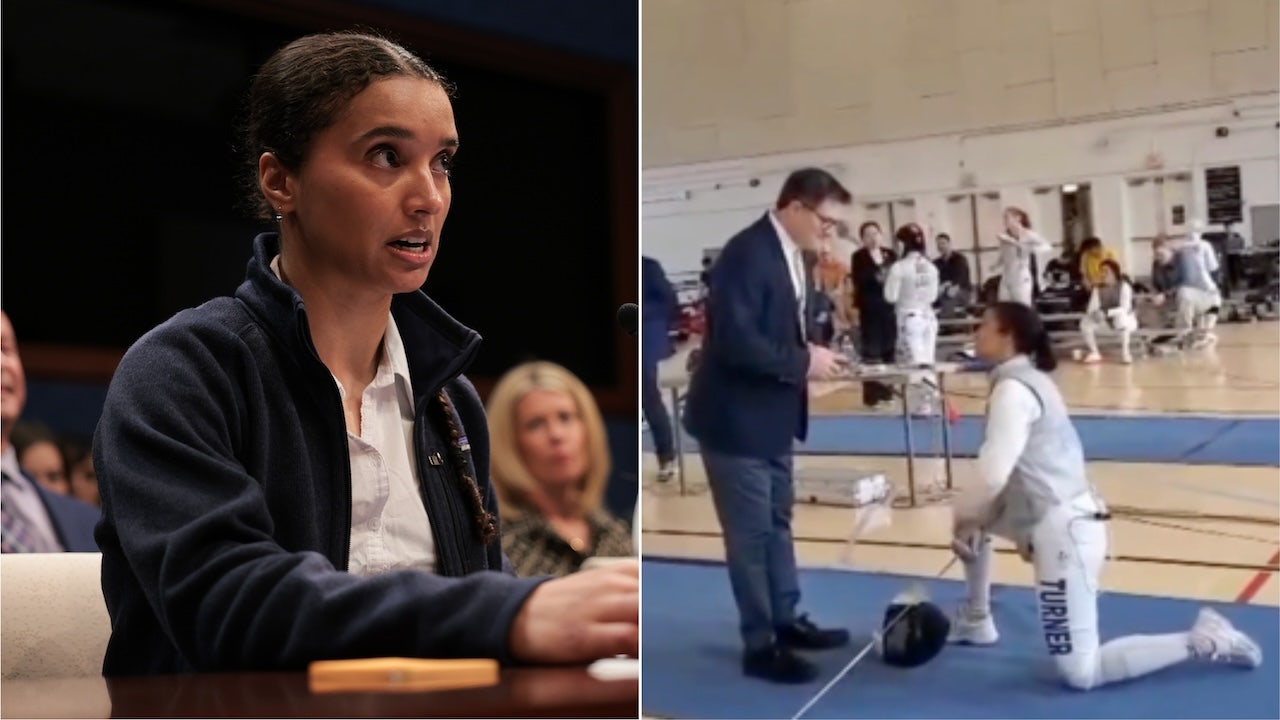
In April 2025, fencer Stephanie Turner became a focal point in the debate over transgender inclusion in women’s sports when she knelt in protest against a transgender competitor during the Cherry Blossom Open in Maryland. This dramatic act not only led to severe repercussions for Turner but ignited a broader discourse surrounding the policies governing female athletics.
The Viral Moment
Turner’s protest, which resulted in a black card—the harshest penalty in USA Fencing—led to her disqualification from the event and a 12-month probation period. The footage depicting her kneeling quickly went viral, galvanizing supporters and opponents alike. This incident marked Turner’s departure from competitive fencing, as she shifted her focus towards activism, advocating for the protection of women’s sports amid growing controversies surrounding transgender participation.
The Backlash and Legal Turmoil
The aftermath of Turner’s protest saw USA Fencing undergoing severe scrutiny. The federation faced a congressional hearing and multiple lawsuits concerning its policies on transgender athletes. Incidents like Turner’s highlighted a divide within the sporting community and prompted USA Fencing to alter its gender eligibility rules. New policies now dictate that only biological females are allowed to compete in women’s events, a significant shift aimed at restoring trust among athletes and fans after a year of tumult.
Turner’s Activism
Though Turner hinted she might consider returning to USA Fencing competitions after recent changes, her statements reveal deep-seated skepticism about the federation’s leadership. She expressed concerns that the recent changes were merely superficial, indicating that the same individuals responsible for the contentious policies remained in power. “This change of leadership at USA Fencing is merely a game of musical chairs,” she remarked, suggesting a lack of genuine reform.
USA Fencing’s Response
In response to Turner’s concerns, USA Fencing stated that it “welcomes participation from any eligible athlete” while emphasizing its commitment to fostering a safe and respectful environment. However, Turner’s activism was not solitary; she testified at a Department of Government Efficiency subcommittee hearing on the matter, advocating for substantial changes in the governance of USA Fencing.
Legislative Action
Turner’s activism extends beyond the fencing community. Following the May hearing, she called for resignations among board members who had made dismissive comments towards concerned women and mothers. She is actively pushing for reforms that align with her vision for safeguarding women’s rights in sports.
Policy Changes and Internal Conflict
In June 2025, USA Fencing’s board made significant amendments to its policies, including choosing competition venues based on local laws regarding LGBTQ+ rights. This was compounded by the adoption of President Donald Trump’s executive order aimed at ensuring that biological males do not compete in female sporting events.
By July, the organization officially restricted female category participation to biological females, aligning its regulations with new safety protocols established by the US Olympic and Paralympic Committee.
Board Restructuring
The leadership of USA Fencing also underwent a shakeup. Former board chair Damien Lehfeldt chose not to seek re-election, paving the way for Dr. Scott Rodgers, a Paralympic medalist and the first active athlete to lead the board. This transition is seen as an attempt to bring athlete-centered governance to the forefront, reflecting a commitment to addressing past grievances within the community.
Future Aspirations and Expansion
Amidst the controversy, USA Fencing announced plans to expand the sport at the NCAA level, with new teams being established at institutions such as Arcadia University and Fairleigh Dickinson University by fall 2027. However, the organization still faces lawsuits from U.S. Olympic fencer Margherita Guzzi Vincenti and other competitive fencers, alleging that USA Fencing knowingly permitted biological males to compete as female during events marketed exclusively for women.
The Broader Implications
Turner’s protest and the subsequent fallout underscore a critical and emerging conflict in sports regarding inclusivity and fairness. With women’s sports facing unprecedented scrutiny, the decisions made by organizations like USA Fencing will likely have lasting implications for the future of athletic competition across all levels.
The evolving landscape serves as a microcosm of the larger societal discussions surrounding gender and identity, illustrating that the intersection of sports, advocacy, and politics can spark both progress and contention. As Turner continues her activism, the world watches closely, anticipating how these developments will shape the future of women’s sports in the United States.