


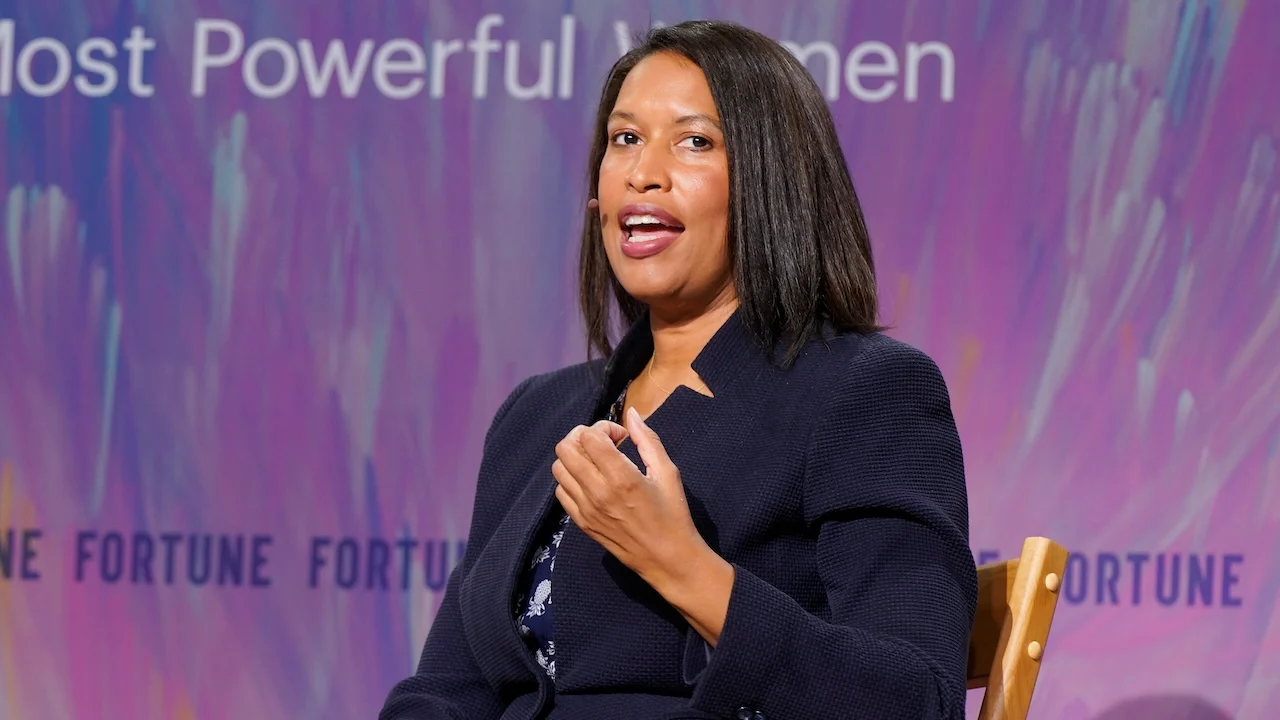
Muriel Bowser: A Decade in Office and What Lies Ahead
Being the mayor of Washington, D.C. undoubtedly comes with its unique set of challenges, and after nearly a decade in office, Muriel Bowser is ready to pass on the baton. With her decision not to seek a fourth term, she’s looking towards new horizons, allowing herself to embrace both personal joys and reflective moments on her journey in public service.
A Historic Tenure
Muriel Bowser has made history in many ways during her time as mayor. Not only is she the longest-serving Black woman to hold this role, but her administration has also been marked by significant events and policies. Bowser took office in 2015 amidst a shifting political landscape and soon faced numerous crises, including the COVID-19 pandemic and the nationwide protests following the death of George Floyd. Throughout it all, her leadership has aimed to balance the pressing needs of her city with the demands of federal oversight and national politics.
Reflecting on Personal Life
In a recent interview with NBC4Washington, Bowser expressed a sense of relief at the thought of leaving office. “I’m gonna go to a boozy brunch,” she joked, referring to the social experiences she has missed out on during her time in public service. This light-hearted commentary illustrates her readiness to reclaim aspects of life that many may take for granted, highlighting the personal sacrifices required of a mayor.
Moreover, her father’s legacy looms large in her life. Bowser poignantly recalled her late father, Joe Bowser, who also dedicated significant years to public service. “He served a bunch of years—over 20,” she noted, emphasizing the influence he has had on her commitment to community engagement and leadership. His pride in her accomplishments serves as a beacon for her, reminding her of the importance of continuing a legacy of public service.
Navigating Political Waters
Bowser’s mayoralty has seen her navigate through both the Trump and Biden administrations, often adopting a pragmatic approach. Her responses to federal interventions, particularly concerning the use of the National Guard in D.C., showcase her efforts to maintain a stable environment for residents. By labeling the National Guard’s presence as a “federal emergency” while insisting that D.C. itself was not facing an emergency, Bowser sought to balance the complexities of federal vs. local governance.
This navigation extended to her policies surrounding public safety and community engagement, areas where her administration has faced scrutiny and praise alike. Her conscious decision to seek common ground, especially during politically charged times, reflects her desire to unify a divided landscape.
Major Initiatives and Impact
One of the most notable initiatives during Bowser’s tenure has been the establishment of Black Lives Matter Plaza in 2020. This move was not only a response to the social unrest following George Floyd’s death but also a potent symbol of the fight for racial justice. The street mural that spanned two city blocks served as a landmark, demonstrating the city’s solidarity with those advocating for change.
However, this mural was recently removed as part of D.C.’s America250 project, aimed at celebrating the nation’s 250th anniversary. Bowser acknowledged the significance of the mural in a post on social media, recognizing its role in uplifting the community during a challenging period while simultaneously asserting the need to move forward without distractions. Her balanced stance shows a recognition of both the importance of activism and the necessity of civic progress.
A Future Beyond Politics
As she steps away from a decade of demanding public service, Bowser anticipates a future filled with new opportunities and personal aspirations. This transition is not merely a career change but a reinvigoration of her personal life. In her reflections, she illustrates a profound understanding of the human experience, emphasizing the importance of community engagement, family legacy, and the joys of everyday life.
The echoes of her father’s influence, the challenges she faced, and the successes she achieved will undoubtedly shape her narrative as she moves forward. Though Bowser no longer seeks to lead the city’s political landscape, her impact on Washington, D.C. is poised to resonate for years to come. As she embraces her new chapter, many in the city will be watching with interest and hope, looking ahead to the changes that her departure may bring.