


Terror Strikes at Bondi Beach: A Chilling Hanukkah Attack
The Incident Overview
On Sunday, a tragic gun attack during a Hanukkah celebration at Sydney’s iconic Bondi Beach left at least 11 people dead, marking a dark chapter in Australia’s recent history. Prime Minister Anthony Albanese condemned the shooting as an act of “antisemitic terrorism,” affirming that this horrific incident struck at the very heart of the nation.
Context of Antisemitism in Australia
This massacre unfolded against the backdrop of a troubling surge in antisemitic incidents over the past year. Although authorities have not established a direct connection between previous attacks and this latest shooting, it is vital to acknowledge the escalating tensions. The incident stands as the deadliest shooting in nearly 30 years in a country renowned for its strict gun control laws.
The Attack and Immediate Response
Reports indicate that the violence erupted at approximately 6:45 PM, just as thousands were enjoying a warm summer evening at the beach. The celebration called “Chanukah by the Sea,” organized by Chabad, attracted hundreds of attendees, excited to mark the beginning of the eight-day festival. Eyewitnesses described moments of chaos as shots rang out, prompting people on the beach to flee in terror.
One courageous individual has been hailed as a hero after tackling and disarming one of the gunmen. Dramatic video footage showed him confronting the attacker, a moment that encapsulated the fear and bravery displayed during the incident.
Casualties and Victims
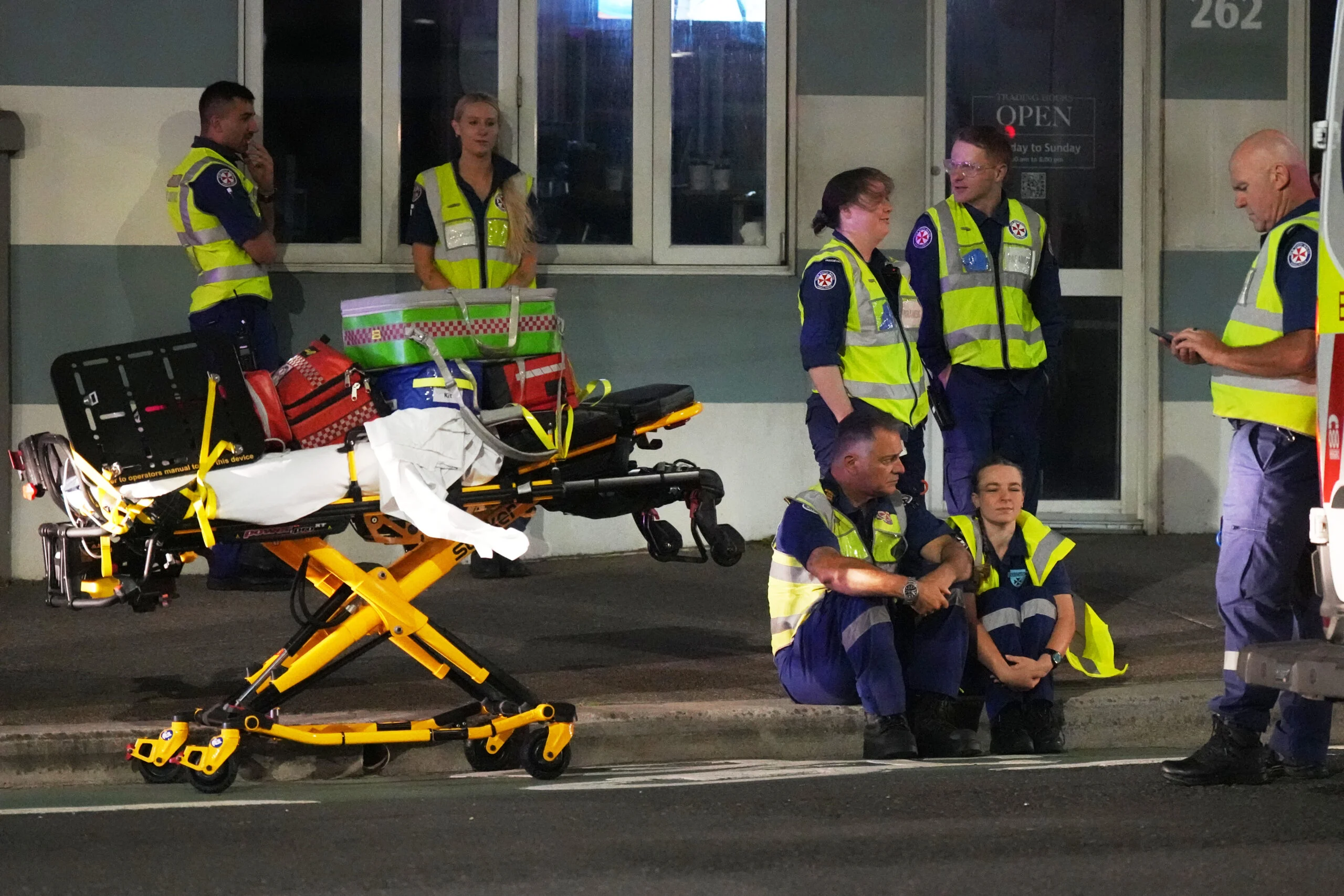
The aftermath of the shooting left at least 29 individuals wounded, including two police officers. Among the deceased was Rabbi Eli Schlanger, assistant rabbi at Chabad of Bondi. The community is now mourning not only the loss of life but also the sense of security that has been shattered.
Law Enforcement’s Findings
As police investigated the scene, they discovered improvised explosive devices in one of the assailants’ vehicles, heightening concerns about the premeditated nature of the attack. One gunman was shot dead by police, while the second was apprehended and reported to be in critical condition. Authorities revealed that one suspect had a previous history with security services, yet there had been no explicit threats linked to the event.
Eyewitness Accounts
Accounts from those present paint a harrowing picture. Lachlan Moran, a local resident, recounted the chaos as people dashed away, leaving behind personal belongings in their haste to escape the gunfire. Catherine Merchant, another eyewitness, described the day as idyllic before the violence erupted, reflecting on the abrupt shift from joy to fear.
National and International Reactions
In the wake of this terrible incident, leaders across Australia and the world expressed shock and grief. Prime Minister Albanese vowed a national unity response, emphasizing the need to stand with the Jewish community. His sentiments were echoed by leaders including King Charles III and U.N. Secretary-General António Guterres, who condemned the attack and expressed solidarity with those affected.
Rise of Antisemitism in Australia
This tragic shooting underscores a broader issue of rising antisemitism in Australia. Statistics show that antisemitic incidents soared after the escalation of violence in the Middle East in October 2023, with reported assaults and threats tripling in frequency. The Jewish community, estimated at about 117,000, has reported increasing vandalism and intimidation, especially in major cities like Sydney and Melbourne.
A Call for Action
Australian officials and Jewish advocacy groups have called for stronger measures to combat this wave of antisemitism. Israeli leaders, including Prime Minister Benjamin Netanyahu, have urged the Australian government to take more decisive action against hatred directed at Jewish communities. Netanyahu critiqued the lack of government action in addressing rising antisemitic sentiments, linking this failure to the events that transpired in Bondi.
Australia’s Gun Control History
Mass shootings are relatively rare in Australia, thanks in part to stringent gun control laws enacted following the 1996 Port Arthur massacre, which left 35 dead. This incident and the current attack raise questions not just about public safety, but also about how societal attitudes toward violence and weapons play into the broader narrative of hatred and division.
This incident at Bondi Beach serves as a grim reminder of the vulnerabilities within our societies and highlights the urgent need for collective efforts to combat prejudice and promote understanding across communities. As Australia grapples with the implications of this attack, the focus remains on healing and unity in the face of deeply troubling challenges.