


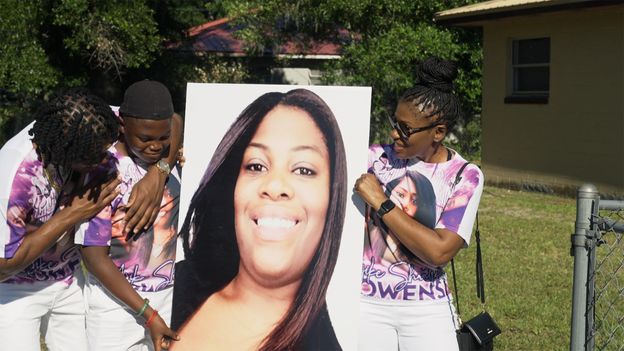
A Deep Dive into Geeta Gandbhir’s Innovative Documentary Approach
A Vision of “Show and Not Tell”
In an industry where narrative styles often lean heavily on conventional storytelling methods, director Geeta Gandbhir’s approach to documentary filmmaking stands out for its mantra: “show and not tell.” Through her storytelling, Gandbhir effectively refrains from overwhelming audiences with advocacy. Instead, she opts to let the footage speak for itself, fostering a raw and authentic connection with viewers. This method allows the gravity of the situation to be felt rather than simply stated, inviting audiences into the emotional core of the story.
The Power of Visuals
Gandbhir’s latest project employs a compelling array of visual media that conveys the narrative without traditional narration or witness interviews. The film reconstructs tragic events surrounding the death of Ajike Owens, leveraging doorbell camera footage as a pivotal storytelling device. This footage captures haunting moments, including the sound of gunfire and the desperate cries of Owens’s son calling for help. Rather than explicitly detailing the horrors unfolding, the visual evidence immerses viewers in the harrowing experience, making them active participants in the emotional landscape of the narrative.
The Role of Police Body Cameras
Extending this visual storytelling, police body camera footage is used to document the immediate response following the shooting. These raw glimpses into the first responders’ actions add another chilling layer to the narrative. Viewers witness the urgent attempts of paramedics to save Owens’s life, grounding the film in reality and heightening the emotional stakes. The presence of cameras in police vehicles also serves a crucial function, portraying the dialogues and circumstances surrounding the event in a transparent manner. These compelling snippets invite the audience to question the broader systemic issues at play.
The Journey to Discovery
In a recent interview with the BBC, Gandbhir revealed the origins of the footage that formed the backbone of her documentary. As a family friend of Owenses, she was privy to the case’s evolving nature when lawyers representing the family sought to keep the narrative alive in the public eye. The extensive trove of footage—around thirty hours worth—comprised various sources: doorbell cameras, bodycams, cell phone recordings, and detective interviews. Gandbhir described the challenge of sorting through this “mess” of material, but it was precisely this complexity that ultimately inspired her to transform the daunting collection into a cinematic experience.
A Troubling History of Disputes
The documentary outlines a series of events leading up to the tragic death of Owens, revealing a long-standing history of disputes between her and her neighbor, Susan Lorincz. The footage indicates that police were first called to Lorincz’s residence in February 2022, with claims escalating to allegations that Owens had thrown a “No Trespassing” sign at Lorincz. The police chose not to make any arrests during the initial encounter, framing the situation as more of a community dispute rather than a crime scene.
A Pattern of Calls to Authorities
As the documentary unfolds, viewers discover that Lorincz repeatedly contacted police authorities in the months that followed. Claims of her being terrorized by local children—Owens’s children, in particular—created a backdrop of tension in the neighborhood. In one call, Lorincz describes herself as a “peaceful” and “perfect neighbor,” in stark contrast to the unfolding reality depicted in Gandbhir’s footage. This juxtaposition not only deepens the narrative complexity but challenges viewers to reflect critically on Lorincz’s perspective and its validity in the broader context.
Community Dynamics and Consequences
The film captures an unsettling portrayal of community dynamics, where personal grievances escalate to lethal consequences. Gandbhir’s unique storytelling approach transcends simple narration; it fosters an environment where viewers must grapple with the unresolved tensions and moral ambiguities surrounding both Owens’s death and the circumstances that allowed such tragedies to take place. Each frame serves as a reminder of the interconnectedness of individuals within the community and the often hidden undercurrents of conflict that can turn tragic.
Summary of Cinematic Impact
Through her innovative filmmaking techniques, Geeta Gandbhir crafts a powerful commentary on community, conflict, and consequence. By allowing the story to unfold primarily through visuals—from doorbell cameras to police footage—she invites audiences into a deeply emotional experience, one that challenges them to engage with the realities of life, loss, and the complexity of human relationships. Each carefully curated moment showcases the raw immediacy of the events, making them impossible to ignore while navigating the broader landscape of societal issues at play.
In Gandbhir’s work, the absence of a narrated voice doesn’t imply a lack of depth; rather, it amplifies the significance of what exists within the frames themselves, urging viewers to confront uncomfortable truths about community tensions and individual lives.