


The Shifting Landscape of Presidential Pardons: A Detailed Examination
Introduction to Presidential Pardons
Presidential pardons hold a storied place in American politics, serving as a tool for mercy and redemption. These acts of clemency offer the opportunity for individuals to seek forgiveness and rehabilitation after serving their sentences. However, as recent events unfold, the application of this power under President Donald Trump is raising eyebrows and igniting discourse on its implications for justice and democracy.
A Surge in Pardons
Since returning to the White House, Trump has issued a staggering number of pardons, exceeding 1,600—a remarkable increase from the 237 he granted during his first term. This surge has been characterized by a discernible pattern: many recipients share political ties with Trump or have faced charges related to corruption and white-collar crime. This behavior has led legal experts to raise concerns about the normalization of public corruption and the implications for the integrity of the justice system.
Hypocrisy within the Pardoning Process
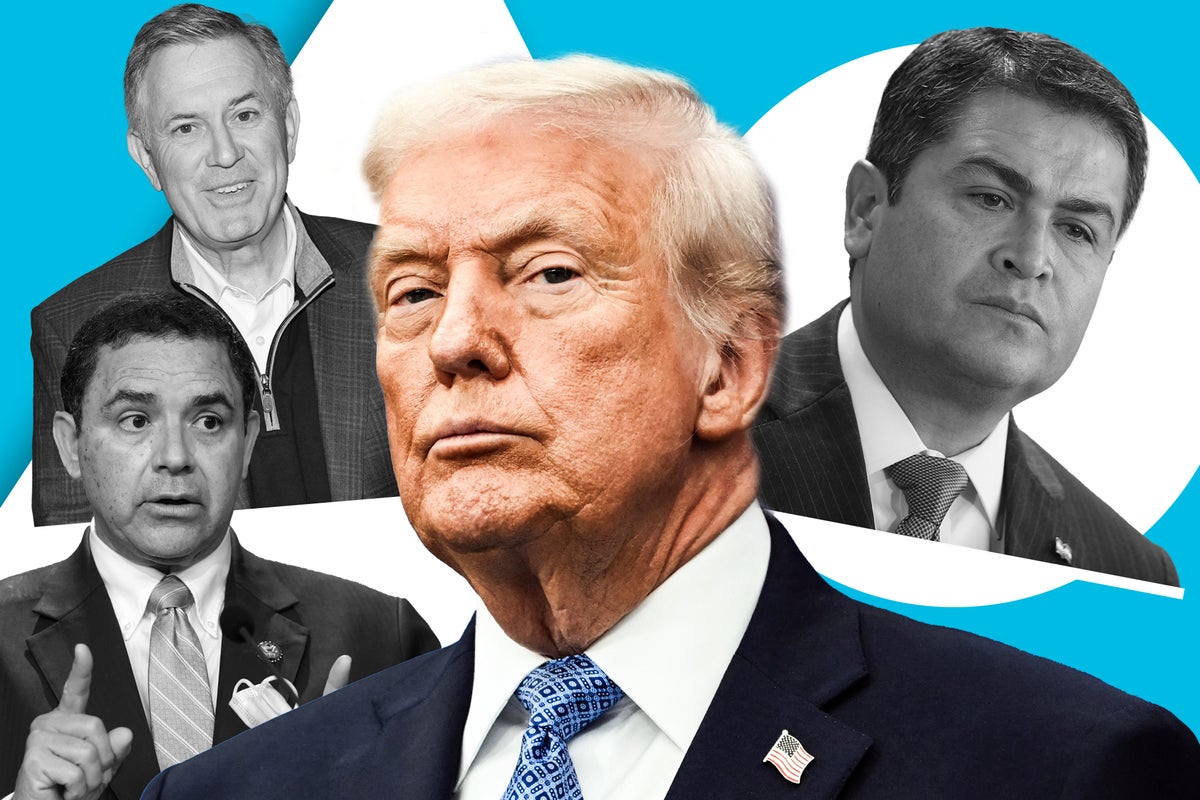
Critics, including Senate Minority Leader Chuck Schumer, argue that Trump’s pardons reveal a striking hypocrisy. How can a president who claims to be “tough on crime” keep pardoning individuals implicated in serious offenses, from public fraud to drug trafficking? For instance, Trump recently pardoned former Honduran President Juan Orlando Hernández, who has been described by the Justice Department as central to one of the world’s largest drug-trafficking operations. Such actions spark outrage, particularly when viewed against Trump’s vocal criticisms of drug traffickers.
A Focus on Political Allies
A significant element of Trump’s pardoning strategy appears to be its political ramifications. The pardons have predominantly benefited his associates and allies, including congressional representatives like Henry Cuellar, who faced serious criminal charges of bribery and conspiracy. Trump’s pattern suggests a deliberate effort to create a politically favorable environment by shielding allies from legal accountability, reinforcing the belief that the justice system is being weaponized for political gain.
Turbulent Justifications
Trump and his administration continue to defend this use of executive power with various justifications. White House press secretary Karoline Leavitt maintains that a “qualified team of lawyers” scrutinizes every pardon request. Yet, concerns linger regarding the integrity of this process. Reports suggest that the traditional guidelines for granting pardons—such as requiring a five-year waiting period and evidence of acceptance of responsibility—are being overlooked in favor of political expediency.
Dismantling the Guidelines
The abandonment of established pardon guidelines raises alarms about the potential erosion of checks and balances that govern the executive’s power. Under Trump, the once-revered practice appears to be morphing into a tool for cronyism rather than national healing. This shift could set a dangerous precedent, allowing future presidents to commodify clemency for personal or political advantage.
Public Backlash and Concerns
The public reaction to this new approach to pardoning has been varied, with a significant portion expressing dismay. Many view these actions as emblematic of a broader trend toward corruption and abuse of power, drawing parallels to historical abuses seen in times of political patronage. The notion that the integrity of the judicial system is being compromised elicits fears about the long-term health of American democracy.
Financial Implications
Another concerning aspect of Trump’s pardons is their financial implications, particularly for victims of fraud. The commutation of sentences for individuals like David Gentile, who defrauded investors out of $1.6 billion, serves as a poignant example. His release, combined with the elimination of restitution obligations, raises ethical questions about accountability and justice for those who suffered financial hardship.
A Promising Future for Pardons?
Despite these controversies, some argue that the current landscape could lead to reform in how pardons are administered. The heightened scrutiny may demand a restructuring of the pardon process to ensure greater transparency and equity. From shaping legislation to enhance oversight to empowering independent commissions, the conversation around reform may gain traction as the public continues to express concerns over the integrity of the justice system.
Impacts on Future Generations
Ultimately, the ramifications of Trump’s pardons could stretch far beyond his presidency. The potential shaping of public perception around criminal justice, accountability, and executive power may influence the decisions of future leaders. The evolving narrative around pardons will likely continue to provoke debate and scrutiny, prompting society to reassess what constitutes fair and just treatment under the law.
In Conclusion
Navigating the complexities of presidential pardons—especially within the context of Trump’s administration—highlights both enduring principles and emerging challenges. As the landscape continues to shift, it remains vital for citizens to engage in discussions about justice, integrity, and the true meaning of clemency in America’s evolving political environment.