


The Capture of Nicolás Maduro: A Deep Dive
Background on the Capture
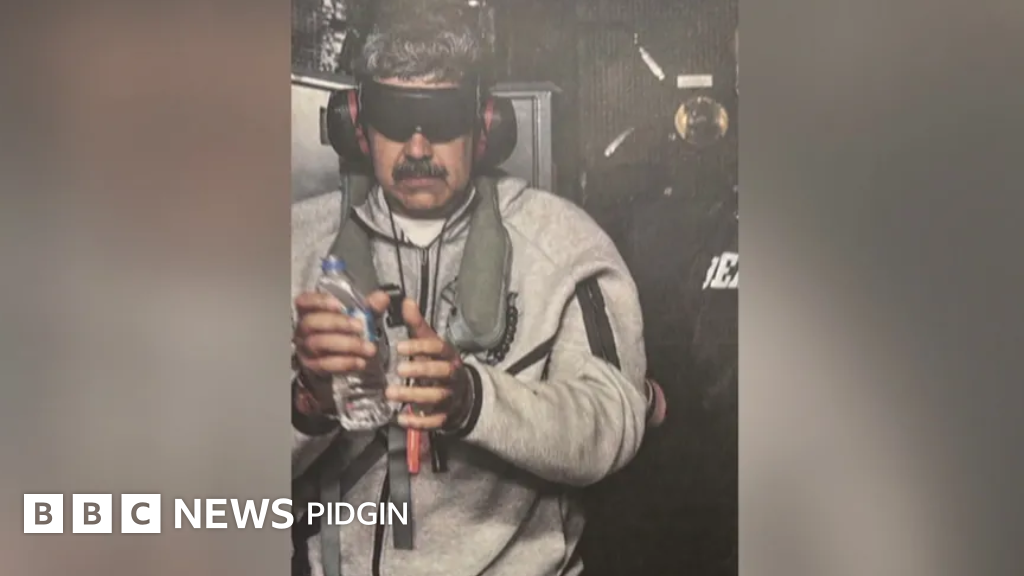
In early January 2026, a seismic shift occurred in Venezuelan politics when U.S. forces captured Nicolás Maduro, the sitting President of Venezuela. The operation, described as a large-scale military strike, turned a new chapter in the tense relations between the United States and Venezuela. On January 3, President Donald Trump announced the arrest, claiming that Maduro and his wife were extracted through a coordinated military effort.
The Operation: How It Went Down
The operation to apprehend Maduro was labeled “Operation Absolute Resolve,” executed by the U.S. Army’s Delta Force, a top-tier counter-terrorism unit. Reports indicate that it took months of planning, with intelligence assistance from CIA operatives embedded in Venezuela. This complex operation was facilitated by an extensive use of air power—over 150 aircraft deployed to ensure a successful extraction.
The infiltration began at approximately 2:01 AM local time, under the cover of darkness. Power outages deliberately orchestrated by U.S. forces obscured the movements of the units. According to Trump, while Maduro attempted to reach a reinforced hiding spot, U.S. forces were able to intercept him before he could secure himself.
Charges Against Maduro
Following his capture, Maduro faced serious charges in the United States, outlined by U.S. Attorney General Pam Bondi. He was indicted for “Narco-Terrorism Conspiracy,” “Cocaine Importation Conspiracy,” and possession of weapons. The gravity of these charges reflects a longstanding U.S. narrative describing Maduro’s regime as deeply entrenched in drug trafficking and corruption.
Venezuelan Government’s Response
Venezuela’s response to these developments was swift and vehement. The government announced a state of national emergency, condemning the U.S. action as “military aggression.” Vice President Delcy Rodríguez publicly expressed the Venezuelan administration’s uncertainty regarding the whereabouts of Maduro and his wife, demanding “immediate proof of life.”
Military officials, including Defense Minister Vladimir Padrino López, rallied troops across the country, calling for a united front against what they described as an unprecedented attack.
Context of U.S.-Venezuela Tensions
The relationship between the United States and Venezuela has been fraught with tension for years. Washington has consistently accused Maduro’s regime of facilitating drug trafficking, a claim Maduro vehemently denies. Allegations of human rights abuses and economic mismanagement have compounded these tensions, leading to a tumultuous relationship marked by sanctions and diplomatic isolation.
As part of its efforts to undermine Maduro, the U.S. imposed a $50 million reward for information leading to his capture. Analysts interpret this as an encouragement for internal dissent against the Maduro regime.
The Historical Lens
The capture of Maduro marks a significant event in the annals of U.S. intervention in Latin America, drawing parallels to past operations like the 1989 capture of Panamanian leader Manuel Noriega. Both leaders had faced similar allegations, and their captures were backed by significant military build-up.
Public Reaction and Coverage
Witnesses in Caracas described a chaotic night, with explosions and the sight of military aircraft creating a palpable sense of fear and uncertainty. The foreign media has adopted various tones in reporting the capture, some emphasizing the thrilling aspects of a high-stakes military operation, while others are cautioning against hastily celebrating what could lead to further instability in the region.
Looking Ahead: Implications for Venezuela
While Maduro’s fate remains uncertain following his extraction, observers suggest that he could face trial in the U.S., likely leading to serious repercussions for Venezuela. With elections rumored to be on the horizon and opposition forces gaining momentum, the political landscape in Venezuela stands on the precipice of change.
The ramifications of this operation extend beyond mere political maneuvering; they touch upon broader themes of sovereignty, nationalism, and the dynamics of U.S. foreign policy in Latin America. As the dust settles on this monumental event, all eyes will be on how Venezuela navigates this new chapter in its troubled history.