


The Case for Transparency in Political Funding: Understanding the Stakes
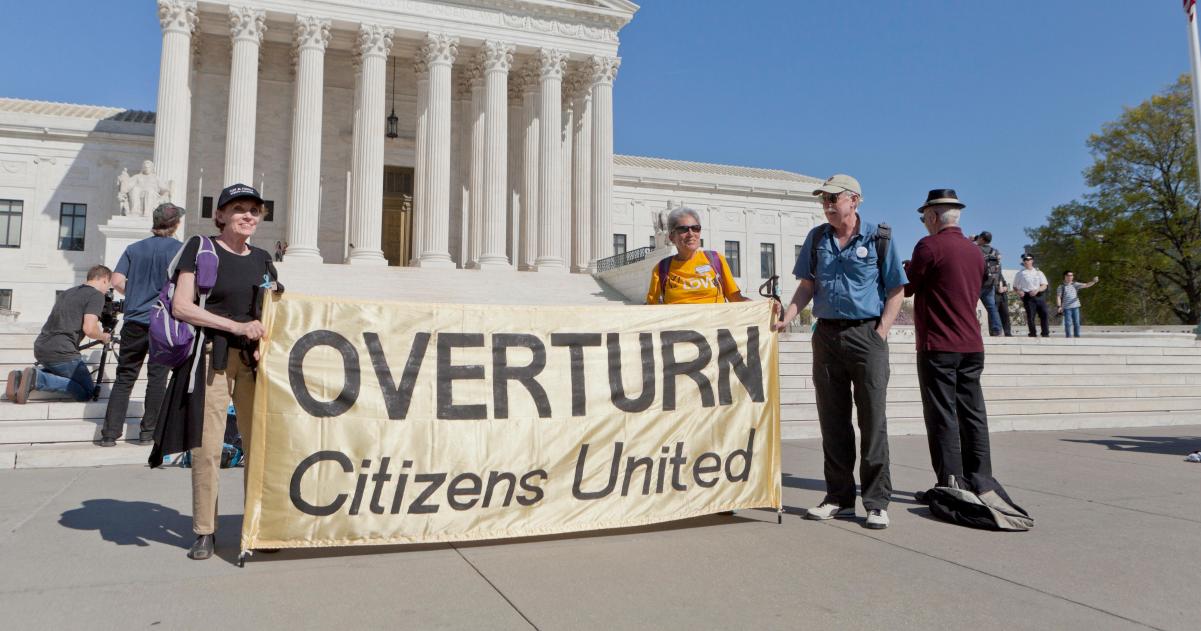
Voters have a fundamental right to know which affluent special interests are pouring significant funds into influencing their choices and shaping government decisions to skew the political landscape in their favor. This need for transparency has been magnified since the U.S. Supreme Court’s pivotal ruling in Citizens United v. Federal Election Commission (FEC) in 2010.
The Impact of Citizens United
The Citizens United decision, which removed existing limitations on corporate independent expenditures, has permitted corporations and billionaires to inject unprecedented amounts of cash into the electoral process. While the Court reasoned that such spending would be transparent and independent from candidates’ campaigns, the reality has proven otherwise. Instead of upholding the integrity of political discourse, this ruling has led to billions in campaign spending, much of which occurs covertly.
The Shift in the Political Spending Landscape
Since Citizens United, funding mechanisms like Super PACs have surged. These entities can accept unlimited contributions from corporations and unions, allowing them to significantly sway federal elections. Wealthy individuals, such as Elon Musk, have been known to funnel exorbitant amounts—Musk reportedly contributed a staggering quarter of a billion dollars to support Donald Trump’s 2024 campaign through various Super PACs.
The Illusion of Transparency
Despite legal requirements for Super PACs to disclose their donors’ identities, the reality is more complex. Dark money groups often obscure the true source of their funding. For instance, the Future Forward PAC, which favors Democratic candidates, once reported a massive contribution from a clandestine group, leaving voters in the dark about the origins of millions spent to influence their votes.
Tactics Used to Avoid Disclosure
Straw Donor Schemes
One prevalent tactic for concealing political contributions is the use of “straw donor schemes.” This involves using shell companies or intermediaries to hide the actual sources of funding. CLC uncovered a case involving “Building our Future Today, LLC,” a shell entity that made numerous political contributions shortly after its inception, suggesting its sole purpose was to obscure the true funding sources.
Illegal Coordination with Campaigns
Coordination between outside groups and candidates presents another significant challenge to election integrity. For example, CLC recently obtained a judgment on behalf of Common Cause Georgia against the FEC, tackling illegal activities where political parties concealed their coordination with entities like “True the Vote” during the pivotal 2021 Georgia Senate runoff elections.
The Federal Election Commission and Accountability
The FEC’s role in monitoring and enforcing campaign finance laws has been increasingly compromised. In recent years, certain commissioners have undermined essential regulations, allowing super PACs and candidates to coordinate in ways that significantly dilute the spirit of the law. There have been multiple instances where the FEC has declined to investigate clear violations, leading to a crisis of accountability in the electoral process.
Threats to Independence
The integrity of the FEC is under threat, particularly following the election of former President Trump. Threats to the agency’s ability to operate independently undermine its effectiveness in regulating campaign finance. The reliance on independent agencies to enforce election laws is paramount; these bodies must function without political interference to uphold democracy.
The Path Forward: Safeguarding Democracy
In a world increasingly shaped by the influences of money in politics, voters deserve a transparent electoral process. The Campaign Legal Center is committed to restoring this integrity through various strategies:
Identifying Bad Actors
By shining a light on corrupt practices, CLC aims to expose entities that manipulate the political system in secrecy. This effort is crucial in advocating for greater scrutiny and ensuring that voters can make informed decisions.
Strengthening Disclosure Laws
As political spending migrates to the digital realm, robust disclosure laws become vital. Recently, CLC defended Washington state laws aimed at requiring transparency from entities like Meta regarding political advertising.
Enforcing Accountability
Campaign Legal Center actively brings forth complaints and lawsuits against violators when the FEC fails to act. For instance, CLC advanced a citizen suit against Iowa Values, shedding light on the dark money involved in supporting political campaigns.
Collaborating with Lawmakers
Working toward legislative solutions, such as the Stop Illegal Campaign Coordination Act and the DISCLOSE Act, are key initiatives aimed at reducing the influence of hidden money in elections. These measures can reinforce the firewall between candidates and outside groups, ensuring political processes remain fair.
For voters to assert their voices in a democracy that works for them, continuous advocacy is needed to unveil the sources of major political funding and to institutionalize separation between powerful spenders and political campaigns.