


The niece of the iconic political activist Huey P. Newton, Myesha Newton, has recently found herself at the center of a heated public debate. She is pushing back against critics who have lampooned her support for former President Donald Trump, particularly in the context of her controversial decision to threaten a lawsuit against a Philadelphia chapter of the Black Panther Party, a group her uncle co-founded in the 1960s.
In a candid TikTok video, Myesha firmly rejected the notion that her identification as a Trump supporter undermines her family’s legacy. “I want to just say something for the record,” she stated emphatically, “just because of my political party does not give any ‘Space Monkey’ the right to defame my family’s legacy.” Her fiery rhetoric highlights her frustration with the backlash she’s received for espousing her political views.
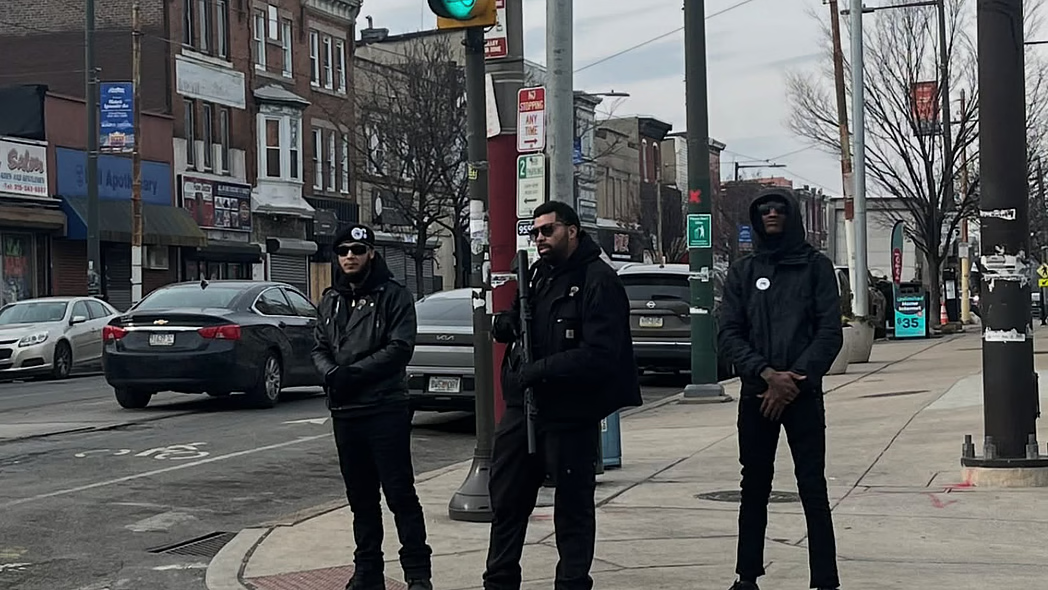
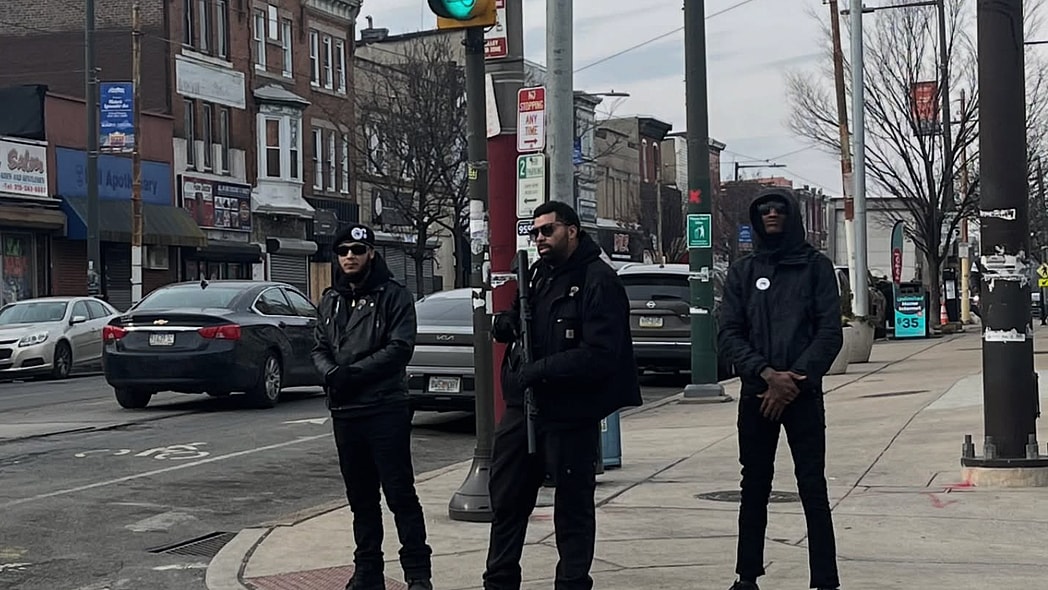
This controversy revolves around her criticisms of the contemporary Black Panther Party for Self-Defense, led by Paul Birdsong, which has gained traction for its activism, particularly in response to the shooting of 37-year-old Renee Good in Minneapolis. This chapter has been vocal in its support for marginalized groups, including Somalians, a political target under the Trump administration.
In earlier reports, Myesha Newton expressed her discontent with Birdsong’s chapter, claiming it does not align with the principles and legacy of her uncle. She pointed out that the media’s portrayal of her political stance has been unfair and damaging to her uncle’s legacy. “Just because I’m a motherf–king Trump supporter does not give anyone the right to defame my uncle’s name,” she asserted.
Furthermore, she has taken steps to formally address her grievances. In another TikTok video, she hinted at legal action against Birdsong, stating, “I’m about to get a cease and desist order against you and I’m about to sue you. You are not going to defame my uncle’s name like that. We’re not doing that. See you in court, b-tches.” This clear threat underscores the seriousness of her intent to protect her family’s honor.
Adding to the complexity of the situation is Rico Dukes, who claims to be Huey P. Newton’s biological son. Dukes has publicly supported Birdsong’s Black Panther chapter, declaring that he has given it his blessing. “I had been watching him for a few months and then I finally called him to give him my blessings,” he mentioned, adding that many elders from the original Panther Party also support Birdsong’s group.
Myesha, however, has firmly positioned herself against Dukes’ endorsement of Birdsong. In her rhetoric, she has not held back from critiquing the contemporary Black Panther Party, calling its members derogatory names and suggesting the need for greater mental health care, specifically in the form of institutional support. “My uncle’s legacy has been hijacked by a bunch of space monkey tarts. This is why President Trump needs to bring back mental health institutions,” she stated in a recent TikTok post, evoking strong imagery to emphasize her disdain.
For context, Huey P. Newton was a revolutionary figure who co-founded the militant Black Panther Party, initially formed as the Black Panther Party for Self-Defense, alongside Bobby Seale in 1966. The organization became well-known for its radical stance during the Civil Rights era, characterized by open carry laws and protests against systemic police violence directed at African Americans.
The legacy of the Black Panther Party is extensive and complicated. Under the leadership of figures like Newton, the group fought to address issues of social justice, often clashing with law enforcement. The FBI, employing its infamous COINTELPRO tactics, sought to dismantle the organization, which included various acts of intimidation and violence against its members.
Even after his passing, the influence of Huey P. Newton continues to ignite debates on the intersections of race, politics, and identity in America. His legacy remains revered by many, while questions linger around how contemporary groups, like Birdsong’s Black Panther Party, align—or clash—with the original vision set forth by the founders in the 1960s.